Global Smartphone Shipments Plunge Record 22% — Analyst Warns 'The Worst is Yet to Come'
- Tags
- Tech News
- Smartphones
- IDC report
- Mobile Industry
- RAM Crisis
The State of the Global Smartphone Market
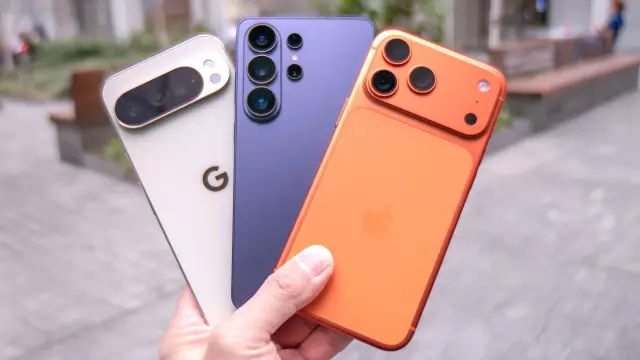
While consumer hype remains high for cutting-edge mobile releases like the iPhone 18 Pro, iPhone Duo, and the latest Samsung flagships, the broader global smartphone market is facing unprecedented turbulence. According to fresh market research data from IDC, worldwide smartphone shipments plummeted by a staggering 22% year-over-year during the third quarter of 2026. This marks the largest single-quarter drop ever recorded in the history of the industry, driven primarily by an intensifying RAM and memory component crisis coupled with soaring prices across all major tech vendors.
Industry experts warn that this downward trend is far from stabilizing. 'However, the worst is yet to come,' cautioned Nabila Popal, senior research director for Worldwide Devices at IDC.
The Anatomy of the AI-Led Memory Crisis
Market analysts point directly to an AI-led memory crisis as the primary catalyst behind the disruption. As artificial intelligence infrastructure expands globally, the demand for high-end RAM and memory components has strained supply chains to their limits. Memory costs have surged by approximately 350% compared to the previous year, placing massive financial pressure on vendor profit margins and ultimately bottlenecking global shipments.
IDC data reveals that recovery is unlikely to materialize anytime soon, with market stabilization predicted no earlier than 2028. Major manufacturers including Samsung, Apple, Xiaomi, OPPO, and vivo have all experienced sharp double-digit shipment declines, altering the global market share landscape significantly.
What This Means for Consumers
For everyday consumers, the crisis translates directly into higher price tags and delayed purchases. Premium devices such as the iPhone 18 Pro series and the Samsung Galaxy S26 lineup have absorbed significant price hikes, forcing buyers to hold onto their existing devices much longer rather than upgrading annually. With iterative upgrades failing to justify soaring costs, industry analysts advise consumers to jump on reliable deals whenever they appear, as component constraints are expected to persist well into the coming years.
Comments (0)
Sign in to join the conversation.Sign in
Loading comments...