How The Last of Us Shaped the Success of Resident Evil 7
- Tags
- Capcom
- Naughty Dog
- Gaming Industry
- Survival Horror
- The Last of Us
- Resident Evil 7
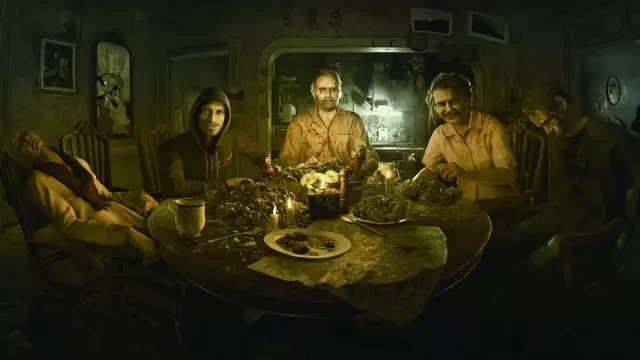
In a fascinating look back at the development landscape of the 2010s, it has emerged that the massive success of Resident Evil 7: Biohazard owes a surprising debt of gratitude to Naughty Dog's masterpiece, The Last of Us. While Resident Evil is a titan of the survival horror genre, its seventh mainline installment represented a radical shift, moving to a first-person perspective that redefined what fans expected from the franchise.
The Influence of Naughty Dog
During a recent discussion on the industry's evolution, insights revealed that The Last of Us acted as a critical North Star for developers at Capcom. At the time, Naughty Dog's title was sweeping awards and setting new benchmarks for narrative depth, character-driven storytelling, and atmospheric tension. According to industry perspectives, the cultural dominance of Ellie and Joel's journey forced other developers to re-evaluate their own approaches to horror and immersion.
A Necessary Evolution for Resident Evil
Prior to the release of Resident Evil 7, the franchise was struggling to find its footing, balancing high-octane action with its classic horror roots. Seeing the way Naughty Dog mastered the 'prestige' narrative in gaming, the team at Capcom was inspired to pivot. They sought to reclaim the series' identity by focusing on a more grounded, terrifying, and intimate experience. The shift to a first-person view allowed for a level of claustrophobia that a third-person camera simply couldn't replicate, effectively mirroring the tension that made The Last of Us so visceral.
The Legacy of Inspiration
Without the critical pressure and the artistic bar set by The Last of Us, Resident Evil 7 might have continued down a path of diminishing returns. Instead, Capcom successfully pivoted, leading to one of the most celebrated horror games of the modern era. This creative feedback loop highlights how landmark titles influence not just their immediate competitors, but the entire industry's direction for years to come.
Comments (0)
Sign in to join the conversation.Sign in
Loading comments...