I just spent 24 hours with the Fitbit Edge — 3 reasons why I’m already impressed
- Tags
- Wearable Tech
- Fitness Trackers
- Smartwatches
- Fitbit
- Fitbit Edge
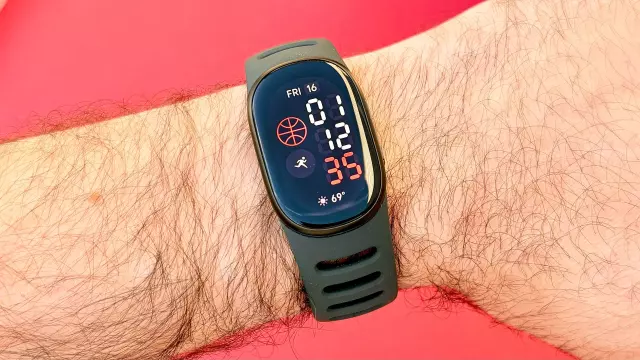
The new Fitbit Edge has arrived as the highly anticipated successor to 2023’s Fitbit Charge 6, long celebrated as one of the best fitness trackers on the market. After spending 24 hands-on hours with Google's latest wearable, three major standout elements prove why the Fitbit Edge is already making a massive impression.
1. It borrows the Pixel Watch 5’s best health features
Google's flagship Pixel Watch 5 is widely recognized as one of the premier smartwatches for health and safety tracking, featuring cutting-edge tools like Loss of Pulse Detection, Breathing Emergency Alerts, and regular insulin resistance and blood pressure trend reports.
Fortunately, users don't need to shell out $399 or more to access these life-saving capabilities. The new Fitbit Edge integrates these exact advanced safety and health monitoring suites into a much lighter, pocket-friendly $179 package. These features seamlessly complement foundational metrics like continuous heart rate tracking, dynamic sleep and readiness scoring, SpO2 levels, and ECG readings.
2. It’s just as comfy as its predecessor, dimensions be damned
Specs can often be deceiving. On paper, the Fitbit Edge is noticeably taller, wider, thicker, and heavier than the outgoing Fitbit Charge 6. However, once strapped onto the wrist, those dimensional changes virtually disappear.
Despite the larger case housing a gorgeous, expansive 1.34-inch AMOLED display—a massive upgrade over the 1.04-inch screen on the Charge 6—the wearable remains exceptionally comfortable. Even for users who typically dislike wearing wrist-based devices to bed, the ergonomic design makes overnight sleep tracking entirely effortless.
3. Physical buttons > haptic buttons
While the Fitbit Charge 6 built a loyal following, one common design complaint was its finicky haptic side button, which often failed to provide a satisfying tactile response.
Google listened to user feedback and completely eliminated the haptic interface in favor of a proper, clickable physical button on the Fitbit Edge. This minor yet impactful user interface refinement drastically improves navigation and overall usability.
Comments (0)
Sign in to join the conversation.Sign in
Loading comments...