Lower Your Energy Bills: 5 Heating Checks Recommended by Experts
- Tags
- home maintenance
- heating
- energy saving
- winter tips
- money saving
- home efficiency
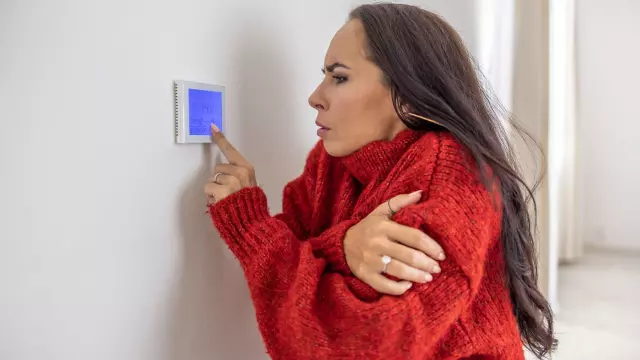
As the seasons shift and temperatures plummet, many homeowners find themselves rushing to switch on the heating, only to discover their systems aren't functioning as efficiently as they did last year. Before calling a professional, there are several simple and cost-effective maintenance checks you can perform to ensure your home remains warm and your energy bills stay manageable.
1. The Paper Test for Window Drafts
Heat loss often occurs in hidden areas rather than through the boiler itself. A simple way to check your window seals is to place a sheet of paper between an open window and its frame, then close and lock it. If you can pull the paper out with little resistance, your seals are failing, allowing cold air to leak in. Applying draught-proofing strips can often solve this, though consulting a professional is wise if the issue involves damaged hinges or misaligned frames.
2. Inspect Your Attic Insulation
Your attic is frequently used for storage, but overloading it can be counterproductive. Piling boxes on top of insulation compresses it, significantly reducing its effectiveness. Check the depth of your insulation in storage areas against open spots. If the insulation is compressed, consider raising your storage boards to allow the insulation to maintain its necessary depth and thermal properties. If the insulation appears damp or damaged by pests, it is time to consult an expert.
3. Evaluate Radiator Performance
Run a quick check on your radiators to ensure they are distributing heat evenly. If you notice cold spots at the top of a radiator while the bottom feels warm, or if it takes a significant amount of time to heat up compared to other units, it likely needs bleeding to remove trapped air. If this doesn't fix the issue, you may have a deeper system problem that requires a heating engineer.
4. Insulate Exposed Piping
Check unheated spaces such as lofts, garages, or basements for exposed pipes. These are susceptible to freezing in extreme cold, which can lead to costly repairs. Inexpensive foam pipe insulation sleeves with self-sealing adhesive are easy to apply to straight runs of piping. Remember to turn off the heating and allow pipes to cool completely before performing any maintenance.
5. Perform a Comprehensive Draft Sweep
Windows are only one entry point for cold air. Take a systematic approach to your home to identify other common leakage points, including floorboards, baseboards, gaps around pipework, and fireplaces. Small gaps can often be sealed with appropriate household fillers, but persistent drafts should be evaluated to ensure you aren't missing structural issues. By performing these simple checks, you can optimize your home's thermal efficiency and protect your budget throughout the winter months.
Comments (0)
Sign in to join the conversation.Sign in
Loading comments...