Want to Lower Your Energy Bills This Season? A Heating Expert Shares These 5 Checks You Need to Do Right Now
- Tags
- Home Improvement
- energy bills
- home heating
- winterize home
- energy saving tips
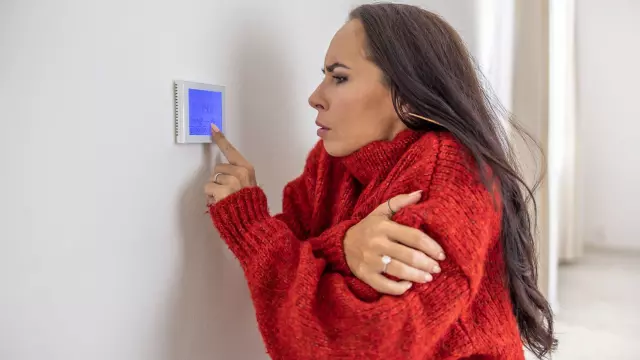
As the cooler weather rolls in, many households across the country find themselves asking the age-old question: "Is it time to put the heating on?" After months of dormancy, autumn is often when homeowners discover that their heating systems are not running as efficiently as they did last year. According to heating professionals, the phone starts ringing off the hook right around this time of year as people wonder why their houses aren't warming up as quickly or effectively as expected.
However, before you spend a significant amount of money calling in a professional for an expensive repair or cranking up the thermostat to compensate, there are several simple and inexpensive checks you can do around your home. Ensuring your property isn't losing heat can drastically cut your long-term energy bills and make these maintenance checks a crucial part of your seasonal routine.
1. Use a Sheet of Paper to Identify Window Gaps
While homeowners frequently focus exclusively on their boilers or smart thermostats when preparing for winter, a significant amount of heat often escapes through small gaps and poorly insulated areas around the property. Windows are primary culprits.
Fortunately, you can test your window seals using nothing more than a simple sheet of paper. Place the strip of paper between an open window and its frame, then close and lock the window. If you can slide or pull the paper out with little to no resistance, your window seals are compromised. Check multiple points around each window to locate exact problem areas. Once identified, apply draught-proofing strips. For persistent issues like misaligned frames, worn seals, or damaged hinges, consulting a professional can ensure you apply the correct long-term fix.
2. Check Your Attic for Insulation Issues
For many, the attic functions as a convenient catch-all storage space for seasonal clothing, holiday decorations, and old suitcases. Unfortunately, stacking boxes and storage boards directly over your attic floor can compress the insulation beneath them, severely diminishing its thermal effectiveness.
Take a tape measure into your attic and check the depth of the insulation in high-storage areas versus empty spaces. Depending on your climate zone, the ideal depth usually ranges between 10 and 24 inches. Simply adding more insulation won't solve the problem if it remains compressed. Instead, consider raising the boarding to preserve storage space while allowing the insulation underneath to retain its full, intended depth. Additionally, keep an eye out for dampness, pest damage, or blocked ventilation.
3. Assess Your Radiators for Uneven Heat
You do not need to be a certified heating engineer to perform a basic health check on your radiators. Carefully running your hands across the surface of your radiators (while minding the heat) can reveal whether warmth is being distributed evenly throughout your home.
If you notice that a radiator is cool at the top but hot at the bottom, entirely cold throughout, or heats up much slower than others in the house, you likely have trapped air or pressure issues within the system. Turning up the thermostat will only overwork your boiler without resolving the underlying symptom.
4. Insulate Exposed Pipes
Unheated areas of your home, such as lofts, crawlspaces, and garages, often feature exposed pipes that are highly susceptible to freezing or condensation during the colder months. Unprotected pipes risk bursting when temperatures plummet.
You can easily purchase pre-slit foam pipe insulation with self-adhesive edges to cover straight runs of piping. However, if you are unsure about handling complex valves or system controls, it is always wise to consult a plumber. Always ensure that any heating or hot water pipes are completely switched off and cooled down before attempting any DIY insulation work.
5. Conduct a Full Property Draft Check
While windows take the spotlight, drafts can infiltrate your living spaces through numerous hidden crevices. Pay close attention to floorboards, baseboards, electrical pipework penetrations, and fireplaces.
Small gaps around baseboards can typically be sealed with appropriate fillers or caulk. However, if you discover larger gaps or unexpected openings, it is best to enlist professional help. Conducting a thorough draft assessment before the deep winter freeze sets in is one of the most effective ways to lower your energy bills and maintain a cozy, energy-efficient home all season long.
Comments (0)
Sign in to join the conversation.Sign in
Loading comments...