


Deepfakes, fake reviews, scams: disinformation costs hundreds of billions

Long considered a political or democratic problem, disinformation is now taking on a new dimension.
Indeed, a study published by Sopra Steria attempts to quantify this reality. His estimate gives an overview of the scale of the phenomenon, with staggering figures…
A phenomenon worth hundreds of billions of dollars
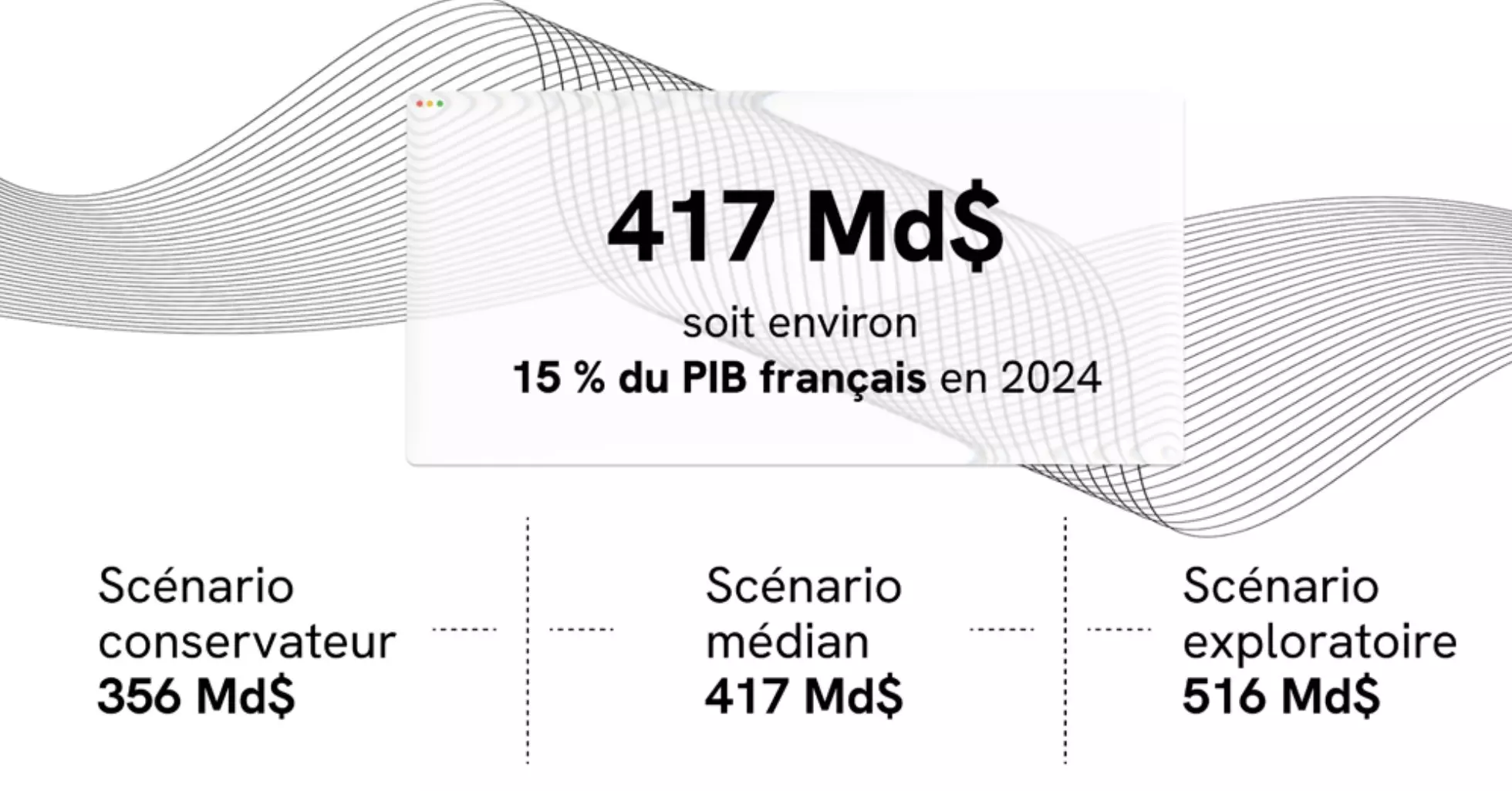
An overview of the cost of disinformation… – Source: Sopra Steria
According to this study, information manipulation represented approximately $417 billion in costs in 2024.
This estimate places the industry of lies on par with the annual revenue of some major technology companies or a significant portion of the GDP of several states. The majority of these losses stem directly from the economy, with financial impacts estimated at $393 billion. More specifically, the estimate is increased to $227 billion in consumer spending influenced by fake online reviews, $11 billion related to fraud using deepfakes or artificial intelligence, and $5.5 billion lost in cryptocurrency scams of the "pig butchering" type.Information manipulation also targets businesses or financial markets, for example through destabilization campaigns or stock market manipulation operations.
According to Sopra Steria, disinformation now directly affects the "real economy," targeting consumers, businesses, and financial institutions alike."
Measurable social and political impacts
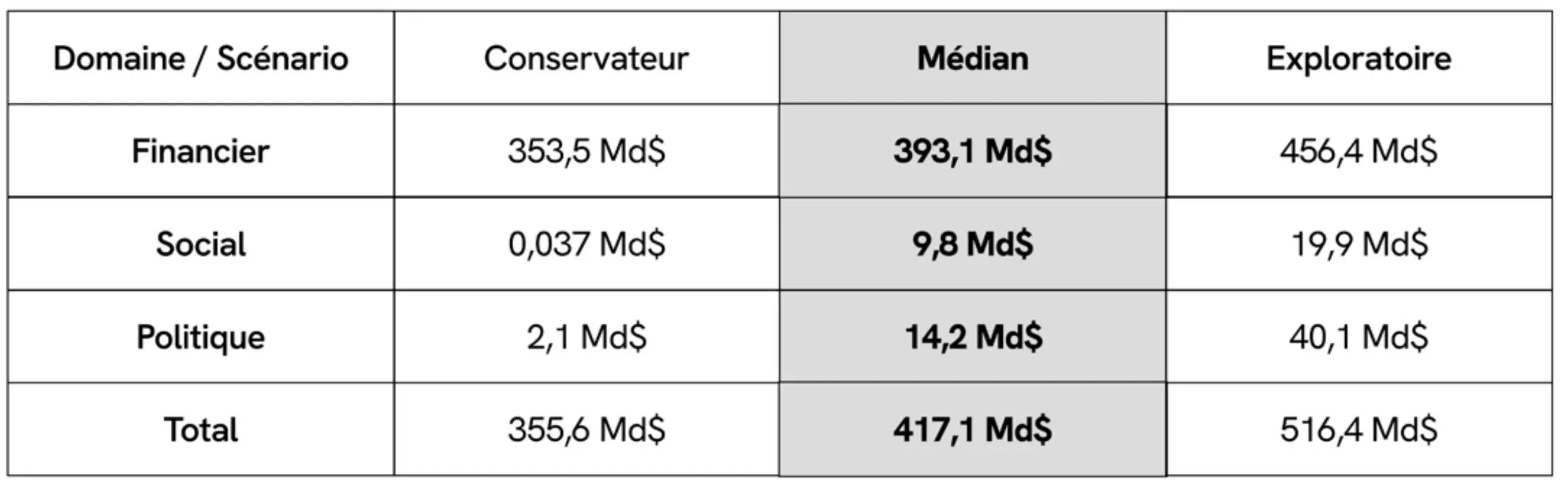
The economic impacts are considerable… – Source: Sopra Steria
Beyond direct financial losses, the study identifies other forms of economic costs, notably the social impacts estimated at around $10 billion.
They also concern the health consequences of the spread of false information, with, in some cases, health misinformation that can lead to an overload of hospital systems or delay certain medical diagnoses.
The impacts Policies, meanwhile, represent approximately $14 billion and include public spending related to protecting democratic processes and combating information interference. The study also highlights a significant economic asymmetry, as disinformation campaigns generate revenue for those who disseminate them, while efforts to combat them remain limited. Artificial intelligence is accelerating the industrialization of the phenomenon. The study also shows that information manipulation is becoming more professional and industrialized, including with AI playing a role in this transformation. According to Sopra Steria's estimates, AI has already increased the overall economic impact of disinformation by 15 to 20%. Faced with this development, the firm calls on businesses and institutions to integrate this risk into their strategy. Like cybersecurity twenty years ago, disinformation could become a new risk management challenge for organizations…
Please Login to leave a comment.
Want to Post Your Topic
Join a global community of creators, monetize your content easily. Start your passive income journey with Digbly today!
Post It Now
Comments