iPhone 18 Pro and Pro Max Review: A New Era of Performance and Photographic Control
This post has no video
The Pinnacle of Smartphone Engineering
Apple has once again redefined the boundaries of mobile technology with the launch of the iPhone 18 Pro and iPhone 18 Pro Max. While the aesthetic changes may seem subtle at first glance, the internal upgrades represent a seismic shift in both raw processing power and optical versatility. By integrating the world's first 2nm processor and a revolutionary variable aperture camera, Apple has created a device that doesn't just compete with the Android flagship ecosystem—it seeks to dominate it.
Unprecedented Power: The A20 Pro Chip
At the heart of the iPhone 18 Pro series lies the A20 Pro chip. This isn't just an incremental update; it is the first smartphone processor built on a 2nm process. The architectural leap includes two super cores that are 20% faster than the previous generation and a 7-core GPU that delivers a staggering 40% increase in graphics performance.
Thermal management has also seen a complete overhaul. Apple has moved the memory adjacent to the SoC rather than stacking it, and the vapor chamber's surface area has been tripled. This results in significantly better sustained performance, preventing the throttling often seen during intensive gaming or 4K video rendering. In benchmark tests, the A20 Pro consistently outperformed the Snapdragon 8 Elite Gen 5 found in the Galaxy S26 Ultra, particularly in single-core tasks and high-end GPU workloads.
Photography Reinvented: The Variable Aperture System
The most significant hardware addition is the variable aperture main camera. For the first time in an iPhone, a six-blade system allows the lens to physically expand or contract. Users can now choose between four different aperture settings (ranging from f/1.48 to f/4), providing an unprecedented level of creative control.
- Low Light & Portraits (f/1.48): Allows maximum light intake for brighter night shots and natural, creamy bokeh in portraits.
- Landscape & Detail (f/4): Increases the depth of field, ensuring that everything from the foreground to the horizon remains crisp and in focus.
This mechanical flexibility reduces the reliance on software-simulated blur, resulting in images that look more organic and professional. Additionally, the Pro controls now allow photographers to manually lock these settings, bridging the gap between smartphones and mirrorless cameras.
Battery Endurance and Rapid Charging
Efficiency is the theme of the 18 Pro series. The iPhone 18 Pro Max now holds the title for the longest battery life in iPhone history, averaging over 18 hours of continuous 5G web surfing. The smaller iPhone 18 Pro also sees a boost, lasting nearly an hour longer than the 17 Pro.
Charging speeds have finally caught up to modern standards. Both models now support 60W wired charging, allowing users to hit 50% battery in roughly 15 minutes. While some competitors still lead in absolute charging speed, the combination of massive endurance and faster top-ups makes the 18 Pro series highly reliable for power users.
Apple Intelligence and the Evolution of Siri
Integrated with iOS 27, the iPhone 18 Pro leverages its dual 16-core Neural Engine to deliver a more intuitive Siri. The new AI better understands personal context and can execute complex, multi-step prompts across different apps. For instance, a single command can now set a reminder, start a timer, and organize photos into a new Note simultaneously.
Visual Intelligence has also evolved. The camera can now recognize dates on physical flyers and offer to add them to the calendar instantly. Furthermore, AI-driven tools like 'Reframe' allow users to change the angle of a photo after it has been taken, with the system intelligently filling in the background.
Design, Display, and Value Proposition
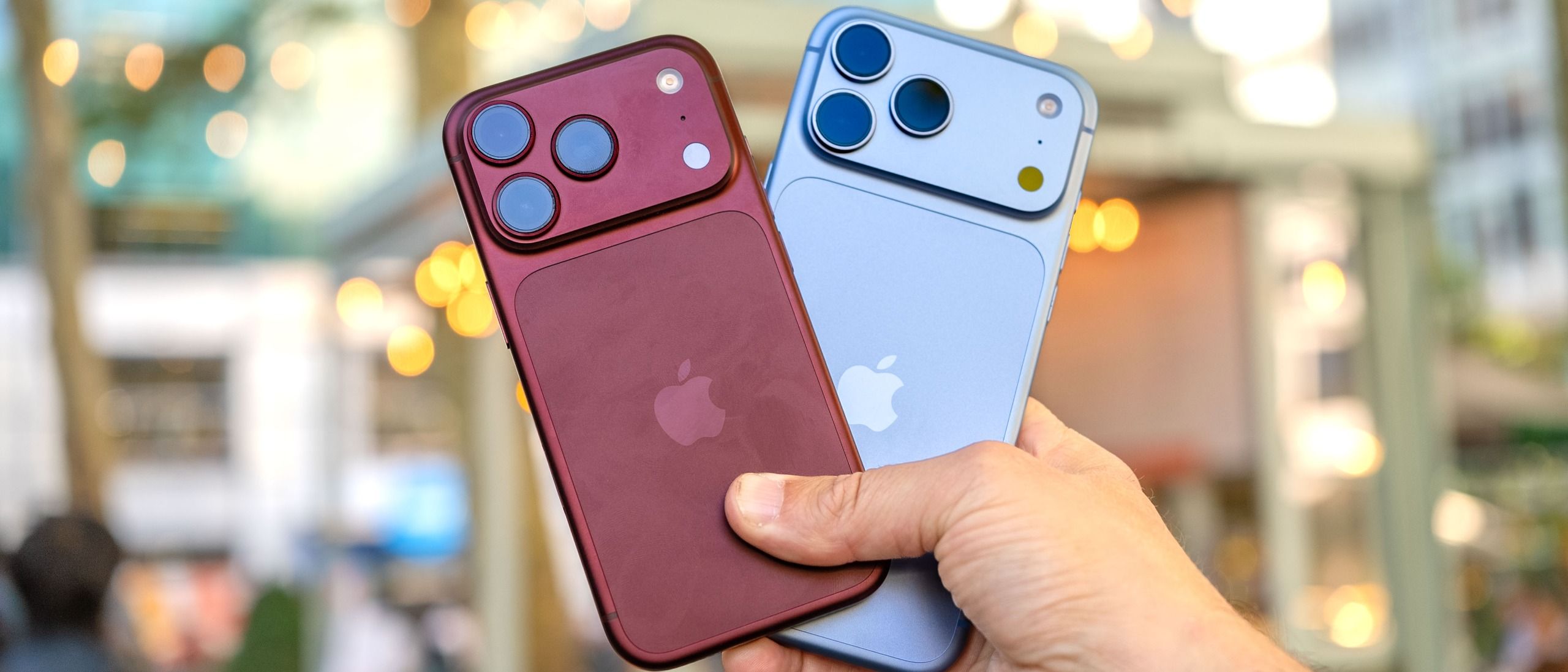
Visually, the iPhone 18 Pro maintains the premium titanium feel but introduces a smaller Dynamic Island, thanks to the infrared sensor being moved under the display. New color options like Glacier and Burgundy offer a sophisticated look with improved color matching between the frame and the back glass.
The displays remain industry-leading, with 120Hz ProMotion and a peak brightness of 3,000 nits. While the devices are slightly heavier than last year's models and carry a $100 price increase, the combination of the A20 Pro chip and the variable aperture camera justifies the premium for those seeking the absolute best in mobile technology.
Final Verdict
The iPhone 18 Pro and Pro Max are powerhouses. While the Galaxy S26 Ultra may still hold a slight edge in extreme zoom capabilities, Apple has won the battle of raw speed and overall versatility. These phones are an essential upgrade for anyone on an iPhone 16 or older, providing a professional-grade camera and record-breaking performance in a familiar, refined package.