Silent Hill Townfall Review: A Bold, Atmospheric Evolution of Psychological Horror
A New Vision for a Cult Classic
For years, the Silent Hill franchise remained locked in a vault, leaving fans longing for the psychological dread and foggy corridors of the series. Konami has recently shifted gears, transforming the franchise into a sprawling anthology. While the stunning remake of Silent Hill 2 and the upcoming original remake anchor the series to its roots, new studios have been given the creative freedom to interpret the horror in their own way. Enter Silent Hill Townfall, developed by Screen Burn (formerly No Code, the minds behind the acclaimed thriller Observation). The result is a gripping, visually arresting experience that departs significantly from traditional series norms.
Silent Hill is no longer just a destination; it has evolved into a philosophy of horror. While previous titles were tethered to a specific American town, recent entries like Silent Hill f have expanded the mythos to 1960s Japan. Townfall continues this trend, treating the 'Silent Hill' name as a symbol for tortured souls and metaphorical nightmares rather than a geographic location. It captures the essence of the series—cryptic plots, psychological trauma, and haunting atmospheres—while carving out its own identity.
The Descent into St. Amélia
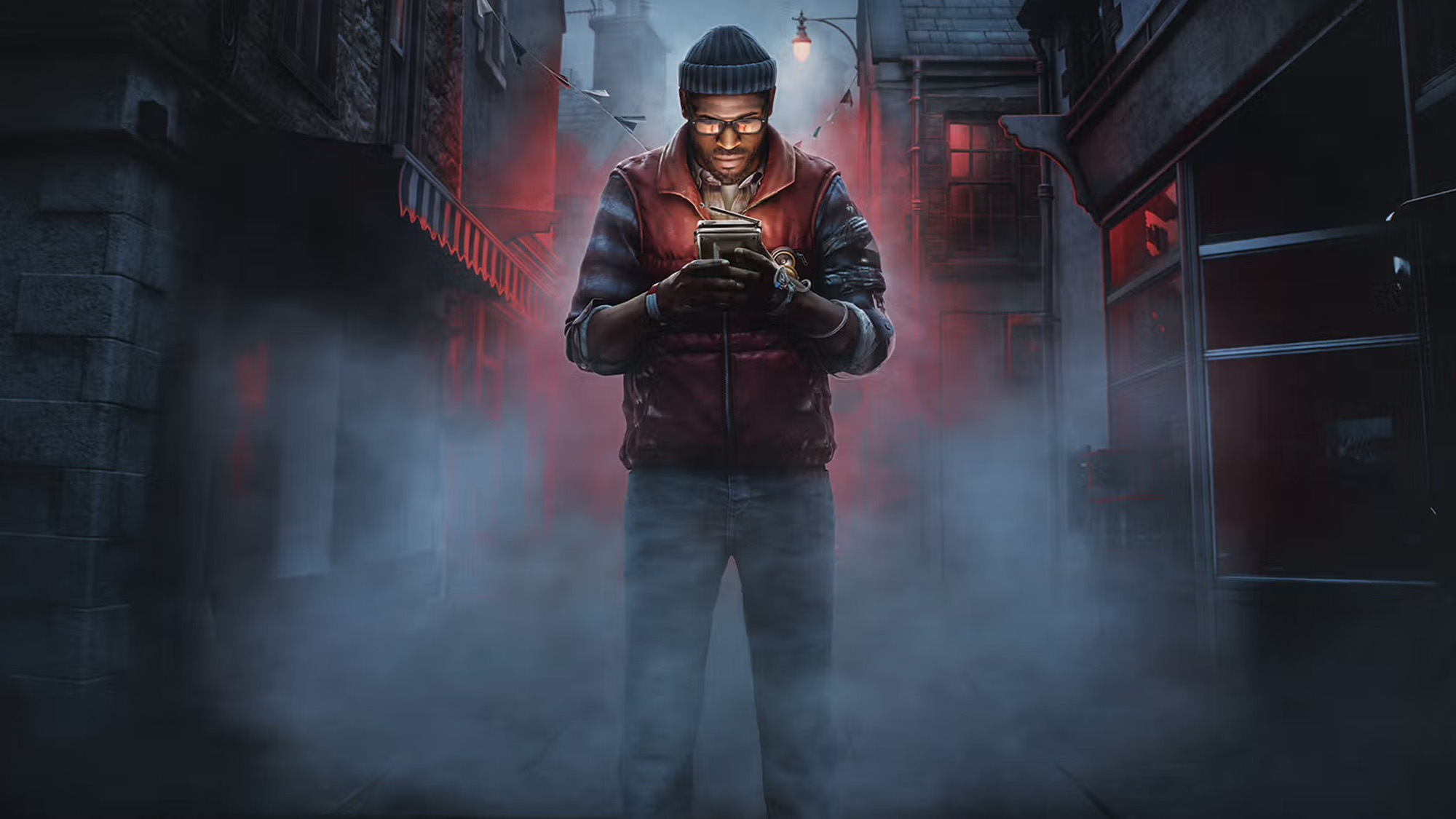
The game places players in the shoes of Simon, a man who washes ashore on a desolate island off the coast of Scotland. He finds himself in St. Amélia, a coastal town swallowed by a deathly silence and a suffocating blanket of fog. With no memories of how he arrived, Simon is guided by two mysterious voices pleading for his help. This setup launches a journey that blends the slow-burn tension of a walking simulator with the visceral desperation of pure survival horror.
While the game excels in atmosphere, it occasionally struggles with its narrative delivery. In an effort to avoid confusion, the script often becomes too explicit, explaining plot points that would have been more powerful if left to the player's imagination. Paradoxically, some dialogues are unnervingly clipped or left unfinished to create an artificial sense of mystery. While this doesn't ruin the story, it occasionally softens the psychological impact that the series is famous for.
Technical Mastery and Artistic Direction
Visually, Silent Hill Townfall is a triumph of technical execution. The photorealistic textures and high-fidelity modeling make the coastal town feel disturbingly real. The lighting effects and the way the fog interacts with the environment create an immediate sense of immersion. However, some players may find the 'Otherworld' sequences—characterized by brutalist architecture and industrial decay—a bit too clean compared to the grime and rust of the Silent Hill 2 Remake.
The sound design is another standout feature, perfectly complementing the oppressive mood. However, the spatial audio can be inconsistent, which becomes a liability during the game's final act when precise sound cues are essential for survival.
Gameplay Innovations: First-Person Dread
One of the most daring changes in Townfall is the transition to a first-person perspective. Much like Resident Evil 7 did for its series, this shift makes the horror feel more visceral and intimate. The option to add cinematic black bars further tightens the field of vision, amplifying the claustrophobia.
Combat is surprisingly fluid for a first-person horror game, featuring a balanced system of attacking and parrying. Console players will appreciate the subtle aim-assist that maintains control while smoothing out the experience. To balance this, the animations for reloading and interacting with the environment are intentionally sluggish, preventing the player from feeling like an action hero and keeping the tension high.
Survival, Strategy, and the CRTV
Survival in St. Amélia requires more than just combat; it requires caution. Resources are scarce, and melee weapons break over time. To navigate this danger, the game introduces the CRTV—a portable television that replaces the iconic series radio. By tuning into specific frequencies, players can see the silhouettes of enemies through walls.
Far from making the game too easy, the CRTV increases the panic. Seeing multiple signatures approaching from different directions forces the player to make split-second decisions on whether to fight or hide. Additionally, the device serves as a tool for navigation and solving the game's intricate puzzles.
The Puzzle Experience
For fans of the 'puzzle-game' aspect of survival horror, Townfall is a goldmine. The enigmas are varied, logically consistent, and rewarding to solve. While some may find them lengthy, they are integrated well into the world. For those who prefer the horror over the head-scratching, comprehensive accessibility options allow players to highlight key information in collected documents, ensuring the pace of the game remains steady.
Conclusion: A Worthy Addition to the Anthology
Silent Hill Townfall may not possess the raw, genre-defining genius of the original trilogy, but it is a bold and successful experiment. It respects the DNA of the franchise while daring to innovate with its perspective and setting. Despite a few writing stumbles and a safe 'Otherworld' aesthetic, it is a haunting experience that proves the Silent Hill name can thrive far beyond the borders of its namesake town.
Comments (0)
Sign in to join the conversation.Sign in
Loading comments...