The Fall Lawncare Mistake You’re Probably Making — And the Secret to a Greener Lawn Next Spring
- Tags
- lawn care
- fall gardening
- home and garden
- lawn maintenance
- raking leaves
- mowing leaves
As the vibrant autumn leaves fall and blanket our yards, creating a picturesque gold-and-russet spectacle, many homeowners overlook the hidden dangers these piles pose to their lawns. While watching the wind carry leaves across the grass is relaxing, letting them accumulate can suffocate your lawn and hinder its growth when spring arrives. To find the best approach for yard maintenance during this season, experts like Jonathan Davis from Lawnsmith offer valuable insights into whether you should rake or mow your autumn leaves.
The Risks of Leaving Fallen Leaves on Your Lawn
Leaving a thick blanket of leaves unchecked on your turf can spell disaster for your yard. Jonathan Davis points out that a layer of leaves can completely smother the grass, killing it in just a matter of weeks. Furthermore, the trapped moisture and lack of sunlight reduce the overall vigor of the grass, opening the door for moss to take over, encouraging lawn disease, and attracting unwanted pests like worms.
Raking Leaves: Traditional Cleanliness and Leaf Mold
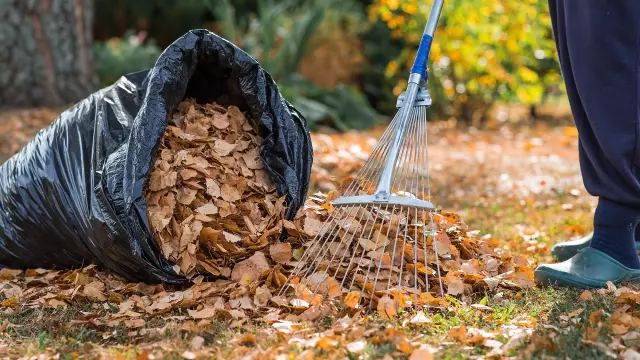
For those who prefer a meticulous cleanup or have smaller yards, traditional raking is a tried-and-true method. Raking completely removes the leaves from the turf, preventing any smothering. Once collected, you can repurpose these leaves in several eco-friendly ways:
- Garden Borders: Use them as a natural mulch around beds and borders to suppress weeds.
- Compost Heap: Add them to your compost pile to contribute valuable carbon.
- Leaf Mold: Stack them in a corner or a punctured bin bag for a year or two to create nutrient-rich leaf mold, an exceptional soil improver.
Tips for Efficient Raking
To make raking less of an exhausting gym workout, timing and technique matter. Always wait for the leaves to dry out if possible; dry leaves are lightweight and lift effortlessly. However, if consecutive days of rain leave you with a soggy mess, clear them as best you can rather than letting them mat down. Make it a weekly habit—tackling leaves little and often prevents a thick, back-breaking layer from forming later. When raking, use a wide plastic rake for dry leaves or a spring-jointed metal rake for damp ones, work from the outer edges toward the center on a tarp, and always rake along with the wind.
Mowing Leaves: The Time-Saving Alternative
If you manage a large lawn, raking every leaf can be overwhelming. Fortunately, mowing your fallen leaves is a fantastic time-saving alternative that also returns valuable organic nutrients to the soil. If the leaves are dry, you can simply run your mower right over them. While they might look slightly unsightly for a few days, chopped leaves break down much faster and feed your soil.
How to Properly Mow Leaves
Just like a robot lawnmower handles regular grass clippings, a lawnmower shreds leaves into tiny pieces that filter down into the turf instead of smothering it. To execute this correctly:
- Avoid Wet Leaves: Only mow when dry. Wet leaves clump together, clog the machine, and leave soggy patches.
- Adjust Your Blade Height: Raise your mower blade a notch or two higher than your normal setting for the first pass to chop the leaves without scalping the grass. Then, make a second pass at your standard autumn height (roughly 1.5 to 5 inches).
- Choose the Right Mower: While a standard rotary mower works, mulching mowers or mowers with a mulching attachment do a superior job by double-cutting the leaves.
- Bagging vs. Discharging: Remove the mower bag if you want to mulch the shredded leaves directly back into the lawn. Leave the bag on if the leaf cover is too heavy, and add those shredded leaves to your compost heap where they will rot down much faster than whole leaves.
Conclusion: Raking or Mowing?
Deciding between raking and mowing ultimately depends on your yard size and personal preference. Mowing chops the leaves into manageable pieces that nourish the soil and prevent leaf mold from suffocating your grass, while raking helps clear dense patches for compost and mulch. Whichever method you choose, maintaining a regular weekly routine will protect your turf and set the stage for a lush, green lawn next spring.
Comments (0)
Sign in to join the conversation.Sign in
Loading comments...