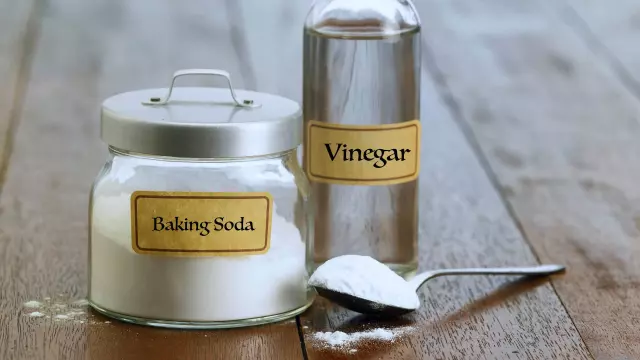
The Truth About Baking Soda and Vinegar: Should They Ever Be Mixed?
- Tags
- home maintenance
- cleaning hacks
- DIY cleaning
- Vinegar
- baking soda
- natural cleaning
Introduction: Rethinking Your Cleaning Cupboard
For many households, the under-sink cleaning cupboard is often packed to the brim with specialized products promising miracle results for windows, mold removal, and limescale. However, a growing trend toward minimalist and sustainable living has seen people trading these expensive chemical potions for simple, cost-effective pantry staples.
Among the most popular natural cleaning heroes are baking soda and vinegar. While many DIY cleaning guides advocate combining them for various household chores—from unclogging drains to scouring kitchen surfaces—scientific realities suggest a different approach. Understanding how these two household ingredients interact can transform your cleaning routine and make your efforts much more effective.
Baking Soda vs. Vinegar: Understanding the Chemical Difference
To understand why mixing baking soda and vinegar requires caution, it helps to examine their chemical compositions. They sit on opposite ends of the pH scale, meaning they possess completely opposing properties:
- Baking Soda (Sodium Bicarbonate): This is a mild alkali typically possessing a pH between 8.3 and 9. In the kitchen, it acts as a leavening agent in baking by releasing carbon dioxide gas when combined with acidic elements like yogurt, buttermilk, or lemon juice. In cleaning, its slightly abrasive texture makes it an exceptional non-scratch scrub that lifts grease, eliminates burnt-on food, and absorbs stubborn household odors.
- Vinegar (Acetic Acid): Standard distilled white vinegar sits squarely on the acidic side of the scale, usually boasting a pH between 2.42 and 2.5. The acetic acid present in vinegar is powerful enough to cut through grease, dissolve mineral scale (such as calcium and hard-water deposits), and neutralize certain types of bacteria. When properly diluted, it also serves as a fantastic streak-free glass cleaner.
What Actually Happens When You Mix Baking Soda and Vinegar?
Popular internet cleaning hacks often depict combining baking soda and vinegar as a magic bullet for dirty surfaces, thanks to the satisfying, violent fizz it produces. But what is actually happening during this chemical reaction?
When the mildly alkaline baking soda meets the acidic vinegar, an immediate acid-base reaction occurs. This neutralizes both ingredients. The fizzing and bubbling you observe is simply the release of carbon dioxide gas. Once the bubbling subsides, you are essentially left with a solution of water, sodium acetate, and trace amounts of carbon dioxide. In other words, you have effectively neutralized the exact cleaning properties that made each ingredient individually powerful.
When Can You Use Them Together?
While mixing them permanently in a spray bottle is counterproductive, there are specific scenarios where combining baking soda and vinegar is advantageous:
- Clearing Slow Drains: Pouring baking soda down a sluggish drain followed by vinegar triggers a foaming reaction. While the chemical cleaning properties are neutralized afterward, the physical expansion and effervescence of the fizzing action can help mechanically loosen trapped hair, soap scum, and gunk.
- Sequential Cleaning: Instead of mixing them beforehand, you can apply them in sequence. For example, when tackling deeply soiled baking sheets, you can apply a baking soda paste to scour away heavy, greasy grime, then spray vinegar over the residue to lift remaining stubborn particles through localized bubbling.
Conclusion: The Final Verdict
Baking soda and vinegar are exceptional, versatile, and eco-friendly cleaning agents, but they are almost always most effective when used as standalone treatments or applied sequentially rather than mixed together. By understanding their individual chemical makeup, you can optimize your cleaning routine, save money, and achieve a truly spotless home.
Comments (0)
Sign in to join the conversation.Sign in
Loading comments...