The Truth About Baking Soda and Vinegar: Should They Ever Be Mixed?
- Tags
- home cleaning
- cleaning hacks
- Vinegar
- baking soda
- natural cleaners
Introduction
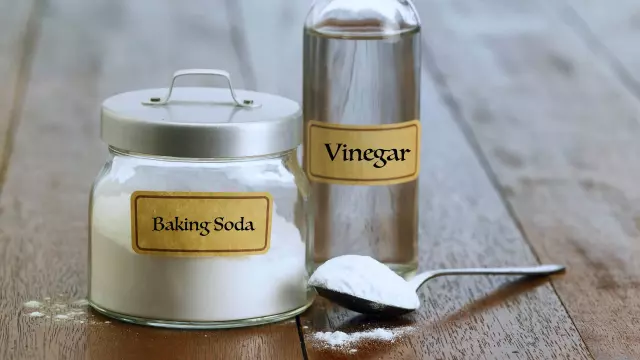
Many households have traded expensive specialty cleaning products for natural, budget-friendly pantry staples like baking soda and vinegar. While these two ingredients are heavily featured in DIY cleaning hacks, a common question arises: can they be used together, or should they always be kept separate?
Baking Soda vs. Vinegar: Understanding the Chemical Difference
To understand why mixing them requires caution, we need to look at their chemical properties:
- Baking Soda (Sodium Bicarbonate): This is a mild alkali with a pH level typically between 8.3 and 9. In baking, it reacts with acidic ingredients like yogurt, buttermilk, or lemon juice to release carbon dioxide gas, helping baked goods rise. In cleaning, it functions as a gentle, non-abrasive scrub that lifts grease, absorbs unwanted odors, and helps remove burnt-on food.
- Vinegar (Acetic Acid): Sitting on the opposite end of the pH scale, standard distilled white vinegar used for cleaning is acidic, with a pH ranging between 2.42 and 2.5. The acetic acid cuts through grime, dissolves mineral deposits such as limescale, and kills bacteria. When properly diluted, it also leaves glass surfaces sparkling and streak-free.
What Happens When You Mix Baking Soda and Vinegar?
Because baking soda is alkaline and vinegar is acidic, combining them triggers an immediate and dramatic chemical reaction. The moment they meet, they fizz vigorously as carbon dioxide gas is rapidly released. Once the bubbling subsides, you are left primarily with water and sodium acetate. In essence, the two active ingredients neutralize each other, effectively canceling out the alkaline scrubbing power of the baking soda and the acidic degreasing power of the vinegar.
How to Use Them Effectively
While mixing them together in a bottle neutralizes their cleaning capabilities, this doesn't mean you can never use them in the same cleaning session. The key is understanding how to harness their unique properties:
- The Fizz Reaction for Drains: Pouring baking soda down a slow-draining sink followed by vinegar creates an expanding fizz right inside the pipe. This physical bubbling action can help loosen trapped hair, soap scum, and gunk.
- Sequential Cleaning: For tough, baked-on grime on kitchen pans or baking sheets, start by applying a thick paste of baking soda to lift the heavy grease and abrasive residue. Afterward, spray vinegar over the remaining spots to dissolve any final mineral films or stuck-on particles.
The Verdict
Baking soda and vinegar are exceptional cleaning aids when used independently or sequentially. While mixing them creates a satisfying fizz that can help loosen debris, doing so ultimately neutralizes their core chemical strengths. For the best cleaning results in your home, keep them separate!
Comments (0)
Sign in to join the conversation.Sign in
Loading comments...