Why I'm Excited About the Fitbit Edge Despite Disliking the Charge 6
- Tags
- Wearable Tech
- Fitness Trackers
- Smartwatches
- Fitbit
- Fitbit Edge
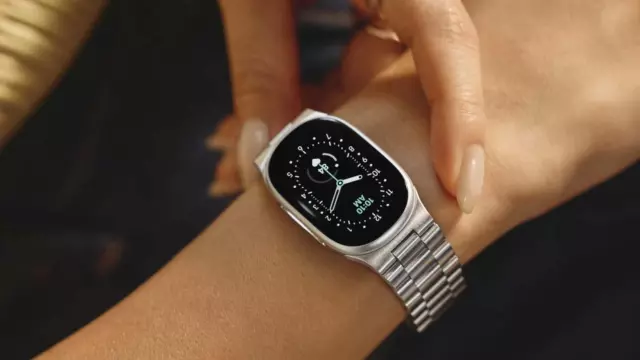
When it comes to fitness tracking, not every popular device resonates with everyone. Despite the Fitbit Charge 6 being a market favorite, it had several drawbacks—from its boxy look to a tiny screen that was difficult to operate with sweaty fingers. However, Google’s announcement of the $180 Fitbit Edge, launching on October 27, changes the landscape. Positioned between the $99 Fitbit Air and the $399 Google Pixel Watch 5, the Fitbit Edge addresses many of these previous complaints. Here are six compelling reasons why this upcoming fitness tracker is generating genuine excitement.
1. Abundant Band Options for Versatility
At launch, Google showcased a wide array of band options for the Fitbit Edge. Ranging from durable plastic active bands to sleek metal variations, swapping them out appears effortless. While pricing details for extra bands are still under wraps, the pre-order choices—including the active band and the Stephen Curry looped band—signal a massive upgrade in styling and personal customization.
2. A Larger, More Usable Screen
While compact designs aren't for everyone, the slight increase in physical dimensions (39.2 x 25.6 mm compared to the Charge 6's 36.7 x 23.1 mm) yields a significantly larger viewing area. This enhanced screen size rectifies the previous navigation frustrations encountered during sweaty or wet workouts, offering a brighter, more responsive visual interface.
3. Dedicated Physical Button
For fitness enthusiasts who prefer tactile controls over purely haptic surfaces, the Fitbit Edge delivers. It features a genuine, clickable physical button on the side. This addition guarantees reliable navigation and interaction, even when your hands are wet or you're pushing through an intense interval training session.
4. Comprehensive Sensor Suite Including ECG
Priced at $180, the Fitbit Edge packs an impressive array of health sensors. Beyond the highly accurate heart rate sensor that samples every two seconds, the device includes an ECG sensor capable of detecting signs of Atrial Fibrillation (A-Fib). Users also benefit from a skin temperature sensor for menstrual cycle tracking, HRV monitoring, and an SpO2 sensor for blood oxygen saturation levels.
5. Built-In GPS for Phone-Free Workouts
Unlike screenless alternatives, the Fitbit Edge features built-in GPS. This crucial addition allows you to accurately track outdoor runs, walks, and bike rides without needing to carry your smartphone along. Furthermore, updated automatic activity tracking promises to recognize diverse exercises—ranging from stand-up paddleboarding and yoga to conventional running and cycling.
6. Next-Generation Tracking and Smart Coaching
The Fitbit Edge elevates overall fitness metrics by incorporating advanced features previously seen on the Fitbit Air, such as cardio load, VO2 max, and a comprehensive readiness score. Additionally, Google Health Premium subscribers can leverage the Gemini-powered health coach, which moves beyond simple stat-regurgitation to deliver actionable, intelligent recovery insights.
Comments (0)
Sign in to join the conversation.Sign in
Loading comments...