7 Ways the iPhone Duo Could Change Foldables for the Better
- Tags
- iPhone Duo
- Foldable Phones
- Apple
- Technology News
- Smartphones
Introduction
Apple’s entry into the foldable phone market with the iPhone Duo marks a pivotal moment for mobile technology. As pre-orders for the device go live, competitors in the Android ecosystem are watching closely, anticipating how Apple's design and hardware choices will reshape the future of dual-screen devices. Apple is renowned for setting industry standards, and the iPhone Duo is no exception. Here are seven ways the iPhone Duo could change foldable phones for the better.
1. More Wider Foldables
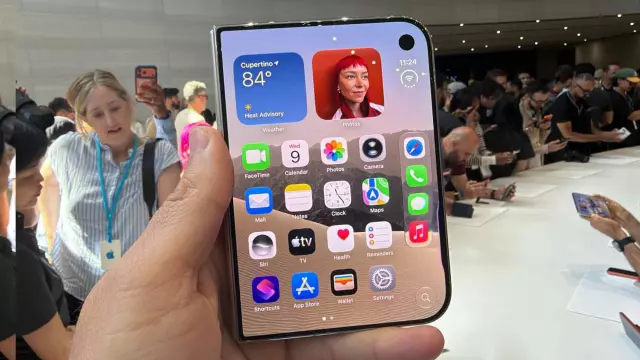
For years, manufacturers pushed the narrative that bigger and taller is better for foldables, leading to awkward, book-like shapes. However, following the design trend of devices like the Samsung Galaxy Z Fold 8 and now the iPhone Duo, the industry is shifting toward a passport-like, wider format. This compact, more balanced dimension makes the phone far more portable and simpler to pull out and use on the go, eliminating one of the main friction points of early foldables.
2. Standardized Stylus Support
The omission of stylus support on several recent foldable generations left power users disappointed. Apple has addressed this by integrating full support for the Apple Pencil (USB-C) into the iPhone Duo. By bringing a reliable, universal stylus experience to a foldable device, Apple is likely to pressure competitors to reintroduce and refine stylus compatibility across all future foldable lineups.
3. Strategic Under-Display Cameras
While under-display cameras have historically struggled with image quality, Apple has wisely positioned its inner camera strictly for FaceTime and video-calling applications. By recognizing that under-display sensors are ideal for communication rather than high-end photography, Apple avoids the pitfalls of compromised photo quality while delivering an uninterrupted, notch-free inner screen. This pragmatic approach may inspire other brands to use under-display technology more strategically.
4. Innovative Foldable Screen Coatings
The eternal battle against display creases continues, but Apple has introduced another major innovation: a "nano-texture" coating on the Duo's large inner display. This matte surface drastically minimizes glare compared to the glossy, fingerprint-prone screens traditionally found on foldables, while also offering enhanced scratch resistance and durability.
5. Elevated Durability and Titanium Builds
Durability has always been the Achilles' heel of foldable phones, with many manufacturers neglecting robust dust and water resistance. The iPhone Duo breaks the mold by incorporating an official IP68 dust-and-water resistance rating alongside a premium titanium frame. This focus on rugged premium materials will likely force rivals to step up their durability game, making fragile foldables a thing of the past.
6. Advanced Vapor Chamber Cooling
High-performance mobile hardware generates substantial heat, which can throttle performance during intensive tasks. While many foldables lack proper thermal management, the iPhone Duo features sophisticated vapor chamber cooling engineered directly around the central hinge. By efficiently dissipating heat away from the processor, the device ensures sustained peak performance, setting a new benchmark for foldable thermal design.
7. Magnetic Wireless Charging Integration
Apple popularized magnetic wireless charging with MagSafe years ago, yet adoption among Android foldable makers has been slow and fragmented. The iPhone Duo fully embraces integrated magnetic charging, paving the way for seamless accessory attachment. If consumer demand follows, this could finally push the broader foldable market to fully embrace universal magnetic wireless charging standards.
Conclusion
The launch of the iPhone Duo is more than just Apple's debut in a new product category—it is a blueprint for the future of foldable technology. By tackling long-standing issues like awkward aspect ratios, poor thermal management, fragile displays, and a lack of proper accessory integration, Apple is challenging the entire industry to build better, more reliable foldable devices.
Comments (0)
Sign in to join the conversation.Sign in
Loading comments...