A New Dimension of Speed: How Apple TV's Dolby Atmos Is Changing F1 Broadcasts
- Tags
- Apple TV
- Audio Technology
- Dolby Atmos
- Formula 1
- Motorsports
- Sports Broadcasting
For motorsport enthusiasts, the experience of being at a live race track is unparalleled. Beyond the visual spectacle of high-speed cars, there is a physical, visceral component to the event—a deep, chest-thumping rumble of engines that creates an addictive atmosphere, grounding the viewer in the intensity of the sport. For years, home broadcasting has struggled to bridge the gap between the living room and the circuit, often flattening audio into a generic buzz that favors the commentator's booth over the raw, mechanical symphony of the grid.
The Shift to Spatial Audio
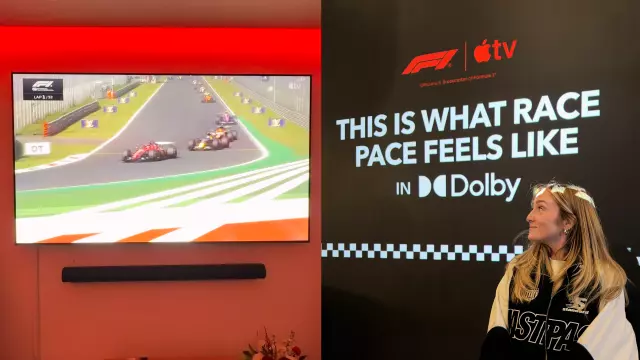
However, a significant leap in broadcasting technology is set to transform the F1 experience for fans watching from home. Starting with the United States Grand Prix in Austin, Apple TV is introducing a live Dolby Atmos spatial audio mix. This isn't merely a sound upgrade; it is a fundamental shift in how race coverage is delivered, utilizing an audio engineer to create a dynamic, three-dimensional soundscape in real-time.
Hearing the Race Like Never Before
Traditional stereo broadcasts often lose the granular detail that makes motorsports so engaging. With the introduction of Dolby Atmos, individual audio elements are placed spatially around the listener. During high-stakes moments—such as the lights going out at the start or a car aggressively hitting the kerbs—the listener receives directional audio cues that add a layer of realism previously reserved for the trackside experience. Even more impressively, Apple TV offers the option to disable broadcast commentary, allowing fans to immerse themselves entirely in the raw, unadulterated sounds of the engines and tires.
A New Standard for Immersion
During a test of the technology using footage from the Miami Grand Prix, the difference was immediately apparent. The precision of the audio—from the distinct 'pings' of the start lights to the violent howl of power units from onboard cameras—provided a level of clarity that made on-track incidents, like spins or tactical maneuvers, easier to process in real-time. This spatial precision acts as a feedback loop for the viewer, often informing them of events before their eyes have fully registered the visual data. While watching from home may never replace the feeling of thousands of horsepower rattling your ribcage at the circuit, this implementation of Dolby Atmos is the closest fans have ever come to capturing the true, heartbeat-skipping intensity of a Formula 1 race.
Comments (0)
Sign in to join the conversation.Sign in
Loading comments...