How to Stop Dust Mites: The Simple '2-Inch Mattress Hack' for a Cleaner Sleep
The Hidden Battle in Your Bedroom: Understanding the Seasonal Dust Mite Surge
As the leaves fall and temperatures drop, many of us look forward to 'cozy season.' However, for millions of allergy sufferers, autumn marks a challenging period known as the seasonal dust mite surge. According to Professor George Du Toit, Co-Founding Director of the Allergy Centre of Excellence (ACE), the transition to indoor heating creates a perfect storm for these microscopic pests.
When central heating is activated, it often traps high levels of summer humidity within sealed rooms. This environment is ideal for dust mite proliferation. Furthermore, as humidity fluctuates during the fall, many mites die off, releasing massive quantities of dried fecal particles into the air—exactly when we are spending the most time indoors with closed windows. For those with asthma or allergies, this can lead to increased congestion, dry coughs, and excessive sneezing that are often mistaken for a common cold.
What Exactly is the '2-Inch Rule'?
To understand the hack, you first have to understand the enemy. Humans shed approximately 500 million dead skin cells every day, a significant portion of which migrate into the top layers of the mattress. Dust mites don't just live in your bed; they feed on these skin cells, body oils, and moisture.
Research suggests that the vast majority of these critters and their food sources are concentrated in the top two to four inches of the mattress. While a standard surface vacuuming might remove loose dust, it fails to dislodge the debris embedded deeper in the fabric.
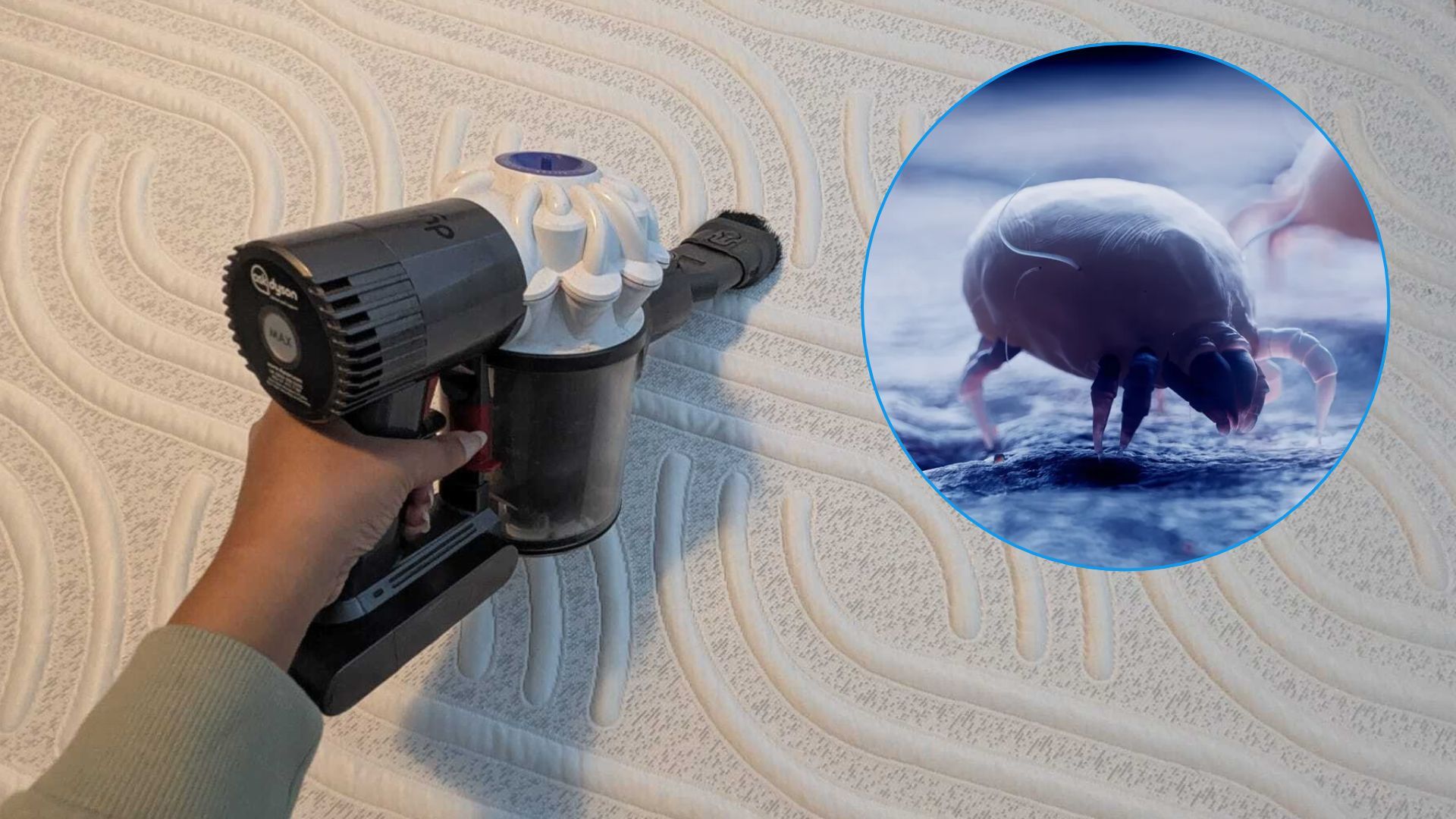
The '2-Inch Rule' is a concentrated compression technique. By applying firm downward pressure with a vacuum nozzle, you compress the top two inches of the mattress, creating a temporary seal that allows the vacuum to pull out embedded skin cells, dead mites, and fecal allergens that a light skim would leave behind.
Step-by-Step Guide: Implementing the 2-Inch Compression Technique
To effectively clear your sleep zone, follow this comprehensive cleaning routine:
1. Prepare the Environment
Strip the bed completely, removing all pillows, sheets, and mattress protectors. It is highly recommended to open a window during this process to ensure that any disturbed particles can escape the room rather than lingering in the air.2. Verify Your Equipment
Before you begin, check that your vacuum cleaner is equipped with a sealed HEPA filter. This is a critical safety step; without HEPA filtration, the act of compressing the mattress can actually force micro-allergens through the vacuum's exhaust and back into your breathing zone.3. Execute the Compression
Attach a narrow upholstery tool or a brush tool. Press the nozzle firmly into the mattress until you have compressed the top layer by roughly two inches. Move the tool slowly using overlapping concentric circles or tight horizontal rows. This deliberate pace ensures that the vacuum seal is maintained and that deep-set debris is fully extracted.Pro Tip: The Baking Soda Boost
For those dealing with odors or extra moisture, sprinkle a thin layer of baking soda across the mattress surface. Let it sit for 30 to 60 minutes before performing the 2-inch vacuuming technique to absorb oils and neutralize smells.The Long-Term Benefits of Deep Mattress Cleaning
Adopting this technique every three months offers several key advantages:
- Allergen Reduction: By removing the food source (skin cells), you naturally limit the population growth of live dust mites.
- Improved Respiratory Health: Reducing the load of fecal particles can significantly decrease morning congestion and nighttime asthma triggers.
- Extended Mattress Life: Removing debris and organic matter prevents the breakdown of internal mattress materials, helping your investment last longer.
Beyond Vacuuming: Total Protection Strategies
While the 2-inch rule is a powerful cleaning tool, it is a reactive measure. For proactive protection, the 'golden rule' is the use of a high-quality mattress protector.
Protectors act as a physical barrier, preventing skin cells from falling into the mattress and stopping mites from migrating upward. For those with severe allergies, antimicrobial or hypoallergenic protectors provide an extra layer of defense. Combining a quarterly deep-compression vacuum with a permanent protector is the most effective way to maintain a truly healthy sleep environment.
Comments (0)
Sign in to join the conversation.Sign in
Loading comments...