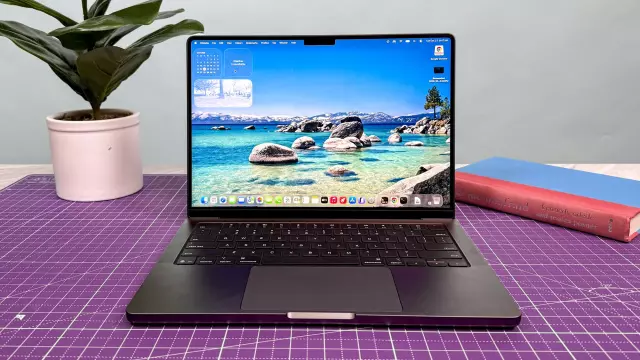
Apple Scales Back Design Expectations for Upcoming OLED MacBook Pro
- Tags
- Apple
- Tech News
- Technology
- OLED
- MacBook Pro
- Laptop
Speculation surrounding Apple’s highly anticipated OLED MacBook Pro has shifted as industry reports temper expectations regarding the laptop's physical form factor. While earlier rumors pointed to a drastically thinner and lighter chassis, recent insights suggest that the upcoming hardware will focus more on internal upgrades and display enhancements rather than a complete slimming of the body.
Refining the Design Narrative
For months, the tech community has buzzed about the 'MacBook Ultra,' a device rumored to feature a cutting-edge OLED touchscreen. Initial reports from industry insiders, including Bloomberg's Mark Gurman, suggested that the transition to more compact OLED display technology would allow Apple to significantly reduce the thickness of its flagship laptop. However, fresh comments from Gurman indicate a pivot in this narrative.
Addressing inquiries about how the new model compares to competitors like the Microsoft Surface Laptop Ultra, Gurman noted that while the new MacBook will likely be lighter than the current 4.7-pound model, it will not be 'significantly thinner' than its predecessors.
What to Expect from the New MacBook
The primary draw for the upcoming refresh remains its display technology. By adopting OLED, Apple is expected to deliver superior contrast ratios and deeper blacks, potentially bringing a ‘Dynamic Island’ style interface to the macOS experience. Beyond the screen, the laptop is expected to push the boundaries of performance.
While early leaks suggested the inclusion of the unannounced M6 Pro or M6 Max chips, there is mounting speculation that the initial release may arrive with advanced M5-series silicon—following a strategy similar to the recent Mac Studio rollout. Additionally, the integration of a touchscreen display could lead to a price increase of up to 20%, with some configurations potentially reaching the $4,000 mark.
Launch Timing and Market Positioning
Apple has historically targeted late October or early November for its high-end Mac releases. While new leadership may be looking to move away from rigid release schedules, the industry remains expectant of a late 2025 or early 2026 debut. As the competition heats up with powerful Windows-based alternatives, Apple’s focus on maintaining its build quality and display dominance will be key to retaining its professional user base.
Comments (0)
Sign in to join the conversation.Sign in
Loading comments...