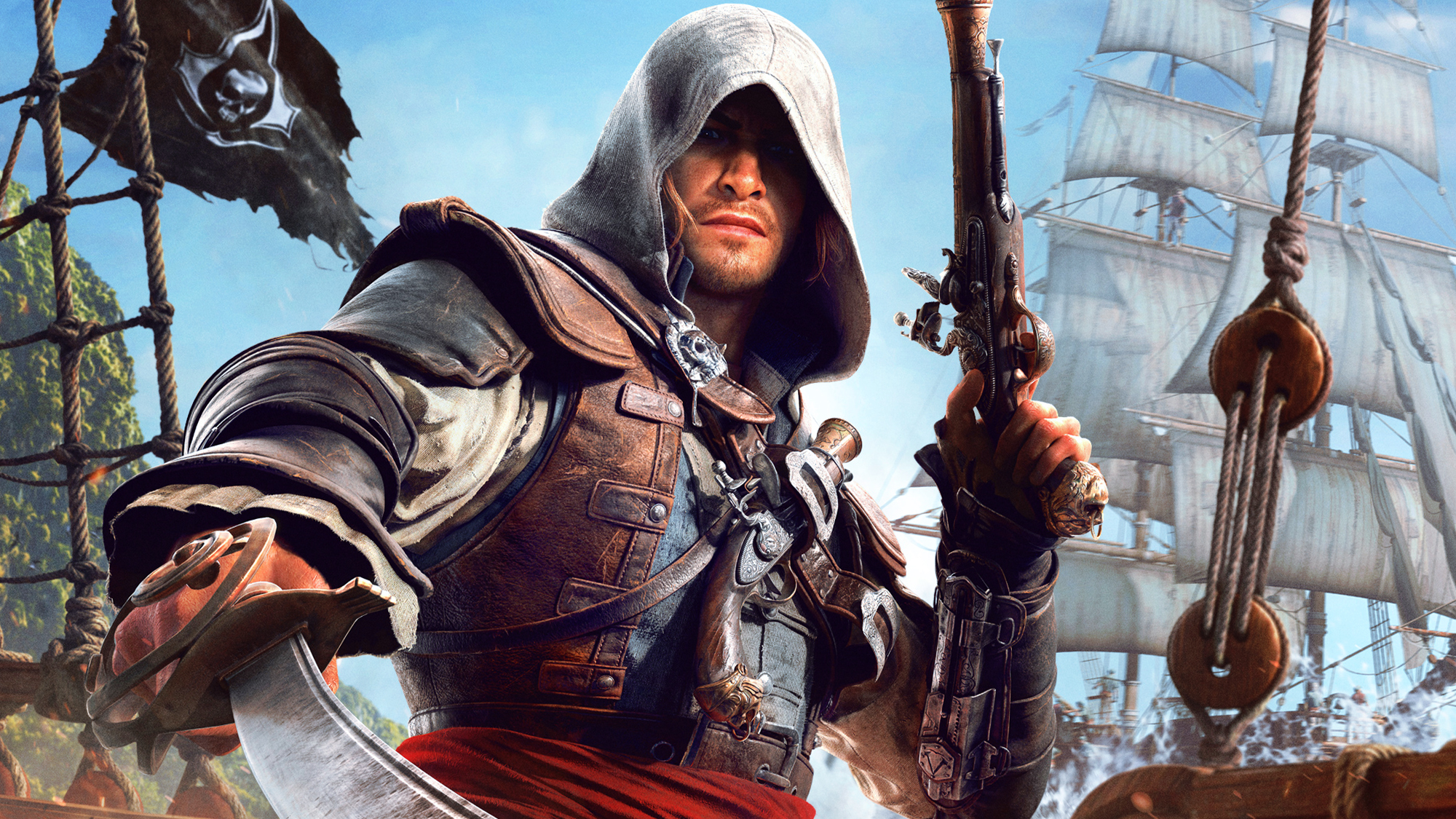
Assassin's Creed Black Flag Resynced Review: A Stunning Return to the Golden Age of Piracy
This post has no video
The Return of a Fan Favorite
Thirteen years after first dropping anchor in the Caribbean, Edward Kenway returns in Assassin's Creed Black Flag Resynced. For many, the original 2013 release was a turning point for the franchise, shifting the series toward a more open-world approach and introducing a protagonist who was more of a morally ambiguous anti-hero than a disciplined Master Assassin. Now, Ubisoft brings this beloved chapter back for a new generation, attempting to balance nostalgia with modern gaming standards.
Coming at a time when Ubisoft is navigating corporate restructuring and the franchise is evolving with titles like Assassin's Creed Shadows, Resynced feels like a strategic move to capitalize on a proven success. After spending dozens of hours sailing the turquoise waters, it is clear that while this is the most polished version of the game, it also faces the challenge of living up to modern expectations.
Visual Splendor and the Anvil Engine
The most immediate impact of Resynced is its breathtaking visual overhaul. The Caribbean has never looked more inviting; thanks to the Anvil engine and the implementation of ray tracing, the lighting and colors are vibrant and immersive. From the silver reflections of the moon on the mangroves to the chaotic intensity of a naval battle during a tropical storm, the game frequently reaches cinematic heights.
The world has been expanded with new locations to explore, and the underwater environments have been transformed into stunning, postcard-like vistas. However, this beauty is occasionally marred by technical inconsistencies. Close-ups during cinematics reveal character models and clothing textures that lack the detail of modern AAA titles, and lip-syncing—particularly in certain languages—can feel disconnected, giving the impression of a "facade renovation" rather than a ground-up rebuild.
Modernizing the Gameplay: Parkour and Stealth
Ubisoft has attempted to bridge the gap between the 2013 gameplay and the more fluid systems seen in Origins or Odyssey. Edward is now more agile, and the parkour system is significantly more free. However, this transition feels uneven. The game still relies heavily on "parkour corridors"—specifically placed objects like branches and barrels—which can lead to frustrating imprecisions when the player attempts to climb outside these intended paths.
Stealth has also received updates, allowing Edward to crouch at will and utilize denser vegetation for cover. Unfortunately, the AI remains stuck in 2013. Enemies are often oblivious to their missing comrades or bloodstains on the ground, making stealth trivial unless the difficulty is pushed to the absolute maximum. While the tools for infiltration are there, the lack of a challenging AI makes the experience feel somewhat dated.
Visceral Combat and the Legendary Jackdaw
Where Resynced truly shines is in its combat. The fighting is more dynamic and impactful than ever. Armed with dual sabres, pistols, and a new rope-dagger that acts as a grapple, Edward is a lethal force. The enemies are more varied and challenging in direct combat, forcing players to break guards and time their executions, which are visually brutal and satisfying.
Of course, no Black Flag experience is complete without the Jackdaw. The naval warfare remains the gold standard for the genre, putting modern titles like Skull & Bones to shame. The joy of upgrading your ship, recruiting a loyal crew, and engaging in massive broadside battles with legendary galleons is fully intact. The enhanced dynamic events at sea make every voyage feel alive, making the fast-travel system feel almost unnecessary.
The Verdict: A Golden Opportunity Partially Missed
Assassin's Creed Black Flag Resynced is a triumph of atmosphere and a love letter to the pirate fantasy. By removing the disjointed modern-day segments and integrating a new HUB connecting the series' meta-history, it achieves a level of immersion the original lacked.
However, it falls short of being a true "remake" in the vein of Resident Evil 4. It doesn't fundamentally reimagine the core mechanics or the narrative depth; instead, it grafts new features onto an old skeleton. The omission of the highly praised Freedom Cry DLC is also a notable disappointment. Ultimately, it is a beautiful, comprehensive package that will enchant newcomers and satisfy veterans, but it stops just short of greatness by playing it too safe.