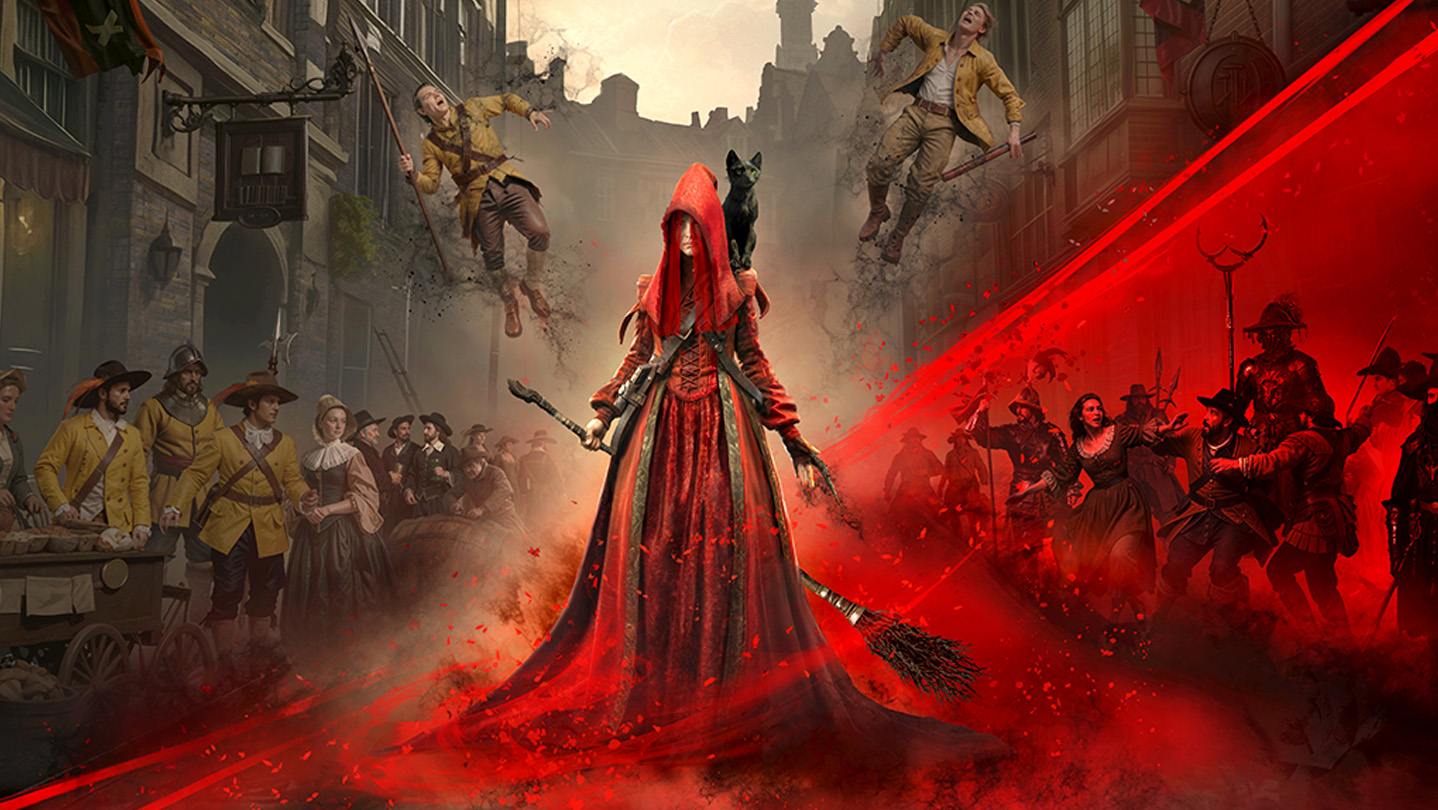
Beyond the Hidden Blade: Patrice Desilets on Why '1666 Amsterdam' is Not Another Assassin's Creed
This post has no video
A Vision Reborn: The Evolution of 1666 Amsterdam
For many gaming enthusiasts, the name Patrice Desilets is inextricably linked to the birth of the Assassin's Creed franchise. As the visionary behind the original series, Desilets defined a genre of historical stealth and parkour. However, in recent discussions regarding his upcoming project, 1666 Amsterdam, the creator has been adamant about one thing: he is not looking to recreate the past.
In a revealing series of insights, Desilets admitted that the project has undergone a radical transformation. What started as one concept has evolved into something entirely different, with the creator stating, "I really didn't want to make an Assassin's Creed." This sentiment highlights a desire to break away from the established tropes of his previous success and forge a new path in game design.
Breaking the Mold of Historical Action
The transition from the conceptual phase to the current development of 1666 Amsterdam has been profound. According to Desilets, almost everything about the game has changed since its inception. While the setting remains a rich, atmospheric depiction of 17th-century Amsterdam, the core gameplay loops and narrative structures have been overhauled to avoid the 'formulaic' feel of modern open-world historical action games.
By distancing the title from the Assassin's Creed DNA, the development team is focusing on unique mechanics that prioritize a different kind of interaction with the environment and the city's inhabitants. The goal is to create an experience that feels fresh and autonomous, rather than a spiritual successor to a franchise that has since grown into a massive corporate entity.
The Challenge of Artistic Independence
Moving away from a world-famous blueprint is a risky move for any developer, but for Desilets, it is a necessary step for artistic growth. The shift suggests a move toward more specialized storytelling and perhaps a more intimate scale of gameplay. By stripping away the expectations associated with 'assassins' and 'templars,' the creator is free to explore the specific cultural and political tensions of Amsterdam in 1666 without the baggage of a pre-existing lore.
As development continues, 1666 Amsterdam stands as a testament to the evolution of its creator. It is no longer just a historical simulation, but a bold attempt to redefine how we experience the past in interactive media.