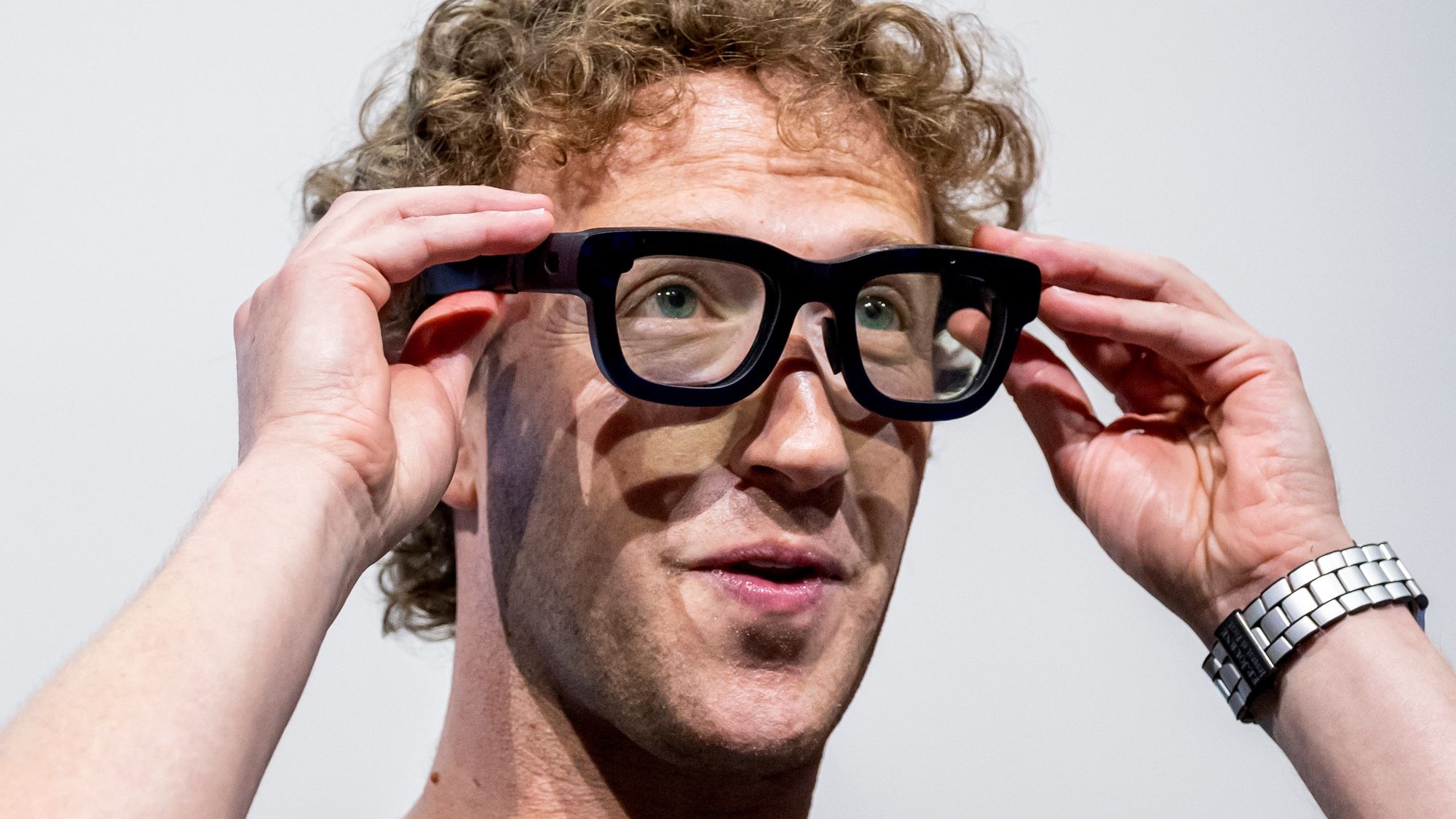
Meta's Privacy Crisis: Can Mark Zuckerberg Fix the 'Pervert Glasses' Reputation?
The Privacy Paradox of Wearable Tech
As Meta prepares to unveil its latest generation of smart glasses at the upcoming Meta Connect event in California, Mark Zuckerberg faces a challenge that cannot be solved with software alone. While the technical capabilities of the Ray-Ban Meta smart glasses have been praised, the brand is currently grappling with a significant reputational crisis. Over the past year, the devices have become synonymous with 'creepy' behavior, leading to a growing public perception of the products as tools for surreptitious recording.
The controversy stems from a combination of hardware vulnerabilities and a lack of social safeguards. A niche industry emerged where individuals modified the glasses to disable the recording light, allowing them to capture video of unsuspecting people. Furthermore, the seamless integration between the glasses and Instagram has facilitated a rash of harassing videos, turning a productivity and creativity tool into a weapon for digital voyeurism.
Meta's First Line of Defense
In a late-August attempt to mitigate these issues, Meta rolled out critical firmware updates. These updates are designed to kill the recording function if the warning light is damaged, blocked, or disabled. Additionally, the company has taken a harder line on its social platforms, banning specific creators and blocking hashtags associated with the dissemination of non-consensual recordings.
However, industry experts question if these 'band-aid' solutions are enough. The core issue is that Meta's market dominance—controlling as much as 80% of the smart glasses market—has made it the primary target for privacy advocates and victims of surveillance alike.
Analyst Perspectives: The Path to Redemption
To understand the depth of the crisis, we consulted three leading analysts on how Meta can restore trust in its wearable ecosystem.
1. The Architecture of Trust
Avi Greengart of Techsponential emphasizes that Meta must move beyond vague promises. According to Greengart, Meta needs to fully disclose its security architecture. He argues that the company must prove that footage cannot be viewed by Meta contractors and that the devices are incapable of recording without a clear, unblockable notification. He suggests a 'privacy-first' data model, similar to Apple's, where data is used as AI context but never stored as viewable footage by humans.
2. Hardware-Level Safeguards
Carolina Milanesi of The Heart of Tech argues that software updates are insufficient. She suggests that Meta must invest in physical hardware solutions, such as integrated shutters or more robust recording indicators that are impossible to disable. "Meta needs to go beyond just talking and show some progress on the hardware side," Milanesi notes, suggesting that the responsibility for privacy should be baked into the physical design of the product.
3. Social and Auditory Alerts
Ramon Llamos, a wearables analyst for IDC, suggests that visual lights might not be enough in a world of distractions. He proposes auditory alerts—such as a distinct sound when recording begins—to warn those in the wearer's vicinity. While acknowledging this might annoy responsible users, Llamos argues that the risk of non-consensual recording outweighs the inconvenience of a notification beep.
The Industry Ripple Effect
Meta's struggles are serving as a cautionary tale for the rest of the industry. Competitors like Apple have already begun preemptively highlighting their privacy safeguards. For instance, during the launch of the Apple Watch 12, executives were careful to emphasize the strict controls surrounding Siri's recording capabilities to avoid the 'creep factor' associated with Meta's devices.
The broader challenge for the industry is the distinction between technical failure and human behavior. While Meta provides the tool, the 'bad actors' provide the intent. However, as these devices move toward a future involving facial recognition and AI expression analysis, the potential for abuse grows exponentially.
Conclusion: Tackling the Reputational Debt
Ultimately, Meta is fighting a war against its own history of data indiscretions. While properties like WhatsApp have earned trust through end-to-end encryption, the smart glasses division is currently operating in a deficit. To succeed, Zuckerberg must prove that Meta can prioritize the privacy of the bystander as much as the convenience of the user. Without a fundamental shift in both hardware and transparency, the 'pervert glasses' label may become a permanent stain on the Meta brand.
Comments (0)
Sign in to join the conversation.Sign in
Loading comments...