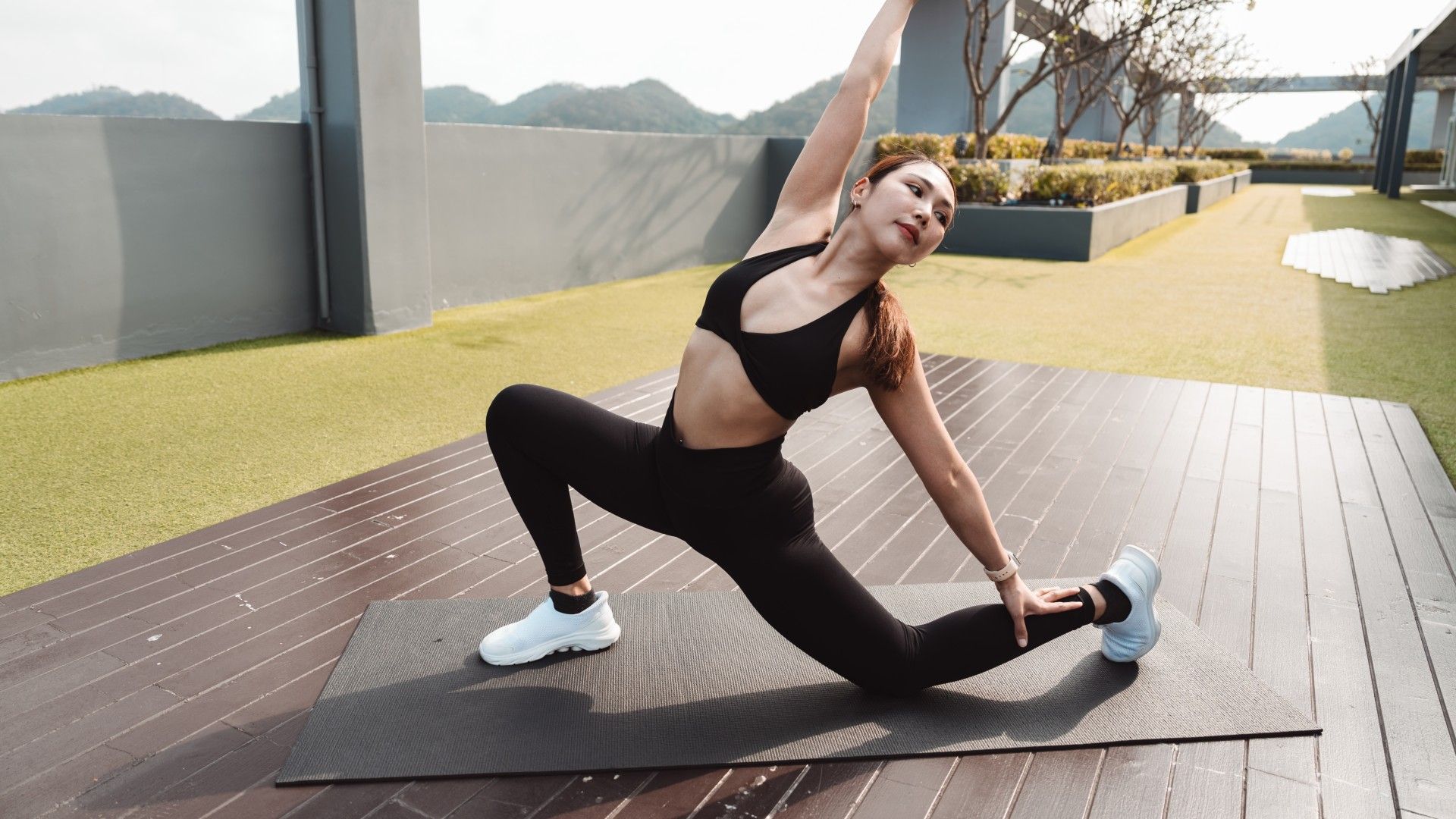
Stop Static Stretching: Why Dynamic Warm-Ups Are the Secret to Transforming Hip Mobility
The Common Mistake in Pre-Workout Routines
For decades, the standard pre-workout ritual has been the same: hold a hamstring stretch for 30 seconds, touch your toes, and hope for the best. However, fitness experts and personal trainers are now warning that this approach—known as static stretching—might actually be hindering your performance. Static stretching involves holding a position for an extended period, which can effectively 'relax' the muscle but does little to prepare the joints and nervous system for the explosive movements of a workout.
True mobility is not simply about flexibility; it is the intersection of strength, balance, control, and stability. While flexibility refers to the passive range of motion of a joint, mobility is the ability to actively control that joint through its entire range. To achieve this, you need to move your body and increase your range of motion through active engagement.
The Power of Dynamic Warm-Ups
Unlike static stretching, dynamic warm-ups utilize active movements that mimic the exercise you are about to perform. These movements increase blood flow to the muscles, raise the core body temperature, and 'wake up' the neuromuscular connections between your brain and your muscles.
Focusing specifically on the hips is crucial. The hips are a complex joint system that often becomes tight due to prolonged sitting—a phenomenon often referred to as 'glute amnesia.' When the hips are immobile, the body compensates by putting undue stress on the lower back and knees, increasing the risk of injury.
3 Essential Moves to Transform Hip Mobility
To transition from 'stiff' to 'supple,' try this three-move routine. Perform each exercise for 50 seconds, followed by a 10-second rest, and repeat for 3 rounds.
1. Seated Knee Drives
How to do it: Sit on a yoga mat with your legs extended in front of you. Support your upper body by leaning back onto your elbows, keeping your spine straight and your gaze forward. One at a time, draw your knee toward your chest with controlled effort, pause momentarily at the peak, and slowly lower the leg back down.
Why it works: This move activates the hip flexors and engages the deep stabilizing muscles of the core. For those looking to increase the intensity, adding a resistance band around the feet or above the knees provides a greater challenge to the muscles.
2. Up-and-Overs
How to do it: While seated with legs extended, place a block or a small weight to one side of your hips. Place your hands by your sides for support or behind your head for an added balance challenge. Engaging your core, lift both legs together and move them over the block, then back again. Incorporate a slight rotation of the waist during the movement.
Why it works: This exercise targets the obliques, abs, and transverse abdominis. By adding a rotational component, it ensures that the core is doing the work and that the hip flexors aren't overcompensating, preparing the entire midsection for athletic movement.3. Overhead Squats
How to do it: Stand with feet shoulder-width apart. Raise your arms directly overhead, pulling your shoulders back and down. As you sit your hips back into a squat, keep your arms punched toward the ceiling, keeping your biceps close to your ears. Pause at the bottom, then drive upward through your heels to return to standing.
Why it works: The overhead squat is a total-body mobility test. It requires thoracic (upper back) mobility, shoulder stability, and lower-body flexibility in the hips, knees, and ankles. It trains the body to maintain an upright posture while under load.
The Long-Term Benefits of Mobility Training
Integrating these moves into your routine provides several systemic benefits. Beyond the immediate feeling of 'looseness,' dynamic mobility training helps the body resist unwanted motion and impact, which is essential for athletes and runners. It also combats the negative effects of sedentary lifestyles, effectively reversing the tightness caused by office work.
Remember, the key to success is progression. Start with bodyweight movements to master the form before introducing bands or weights. By prioritizing active mobility over passive stretching, you can unlock a higher level of athletic performance and long-term joint health.
Comments (0)
Sign in to join the conversation.Sign in
Loading comments...