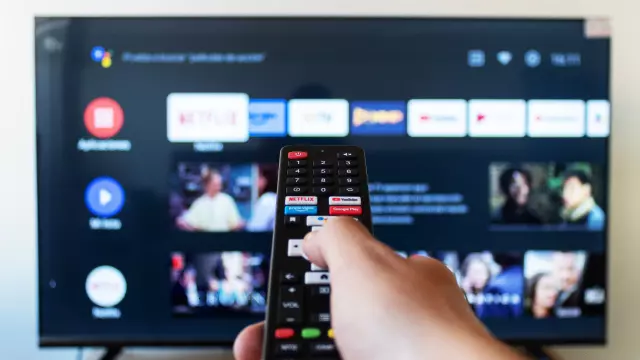
People Are Using AI to Turn Smart TVs into Dumb TVs — And You Might Want to Do the Same
- Tags
- streaming
- Technology News
- Smart TV
- AI
- Claude Code
- Android TV
The Rise of Smart TV Frustration
The allure of modern smart TVs once captured everyone's imagination. Being able to turn on a big-screen display and instantly access streaming apps at the touch of a button felt revolutionary. However, the current reality leaves much to be desired. Smart TV user interfaces have become bloated, overloaded with visual clutter, sponsored advertisements, and algorithmic recommendations that make navigating menus laggy and frustrating.
Consumers are growing increasingly exhausted by intrusive ads for shows they will never watch and content recommendations that serve corporate interests rather than user convenience. Recognizing this pain point, tech-savvy users are taking matters into their own hands, leveraging artificial intelligence to strip away the software bloat and return their televisions to a simpler, faster state.
Enter AI and Vibe Coding: How It Works
A new wave of solutions has emerged, utilizing AI development tools like Anthropic’s Claude Code. Developers and everyday enthusiasts are using these platforms to "vibe code" custom automation tools. These scripts interact with Android TV and Google TV operating systems over a local network connection via ADB (Android Debug Bridge), safely disabling unnecessary packages, wiping out sponsored carousels, and improving overall device responsiveness.
Projects hosted on GitHub—such as "dumbtv" and "cleanyourtv"—have quickly gained viral attention across social media platforms like X. These tools are built around a simple philosophy: a television should function as a display for the devices and apps you actually use, free from forced updates, intrusive tracking, and software bloatware.
Popular Tools Leading the Charge
Dumbtv and Cleanyourtv
Both of these community-driven projects offer a straightforward promise. By connecting to a smart TV over Wi-Fi from another machine, they remove unwanted system apps and replace ad-filled home screens with streamlined, lightweight launchers that mimic the clean interface of an Apple TV. Crucially, these modifications require no rooting, leave system partitions untouched, and include simple recovery scripts to reverse changes if necessary.
The Performance Boost
Users sharing their experiences online highlight massive performance gains. Smart TVs that previously lagged when waking up from standby can now zip through menus instantly once background telemetry services and bloatware are disabled. Furthermore, some versions of these scripts even incorporate features to block intrusive video advertisements and unwanted shorts.
Risks and Considerations
While the prospect of a lightning-fast, ad-free television interface is appealing, turning your smart TV into a "dumb TV" using experimental AI tools is not entirely without risk.
Not all smart TV implementations are created equal, and tinkering with system packages via custom scripts can occasionally lead to unintended consequences. Some users have reported catastrophic failures, such as devices entering boot loops or failing to recognize their operating systems properly. Before attempting any aggressive modifications, it is crucial to consult community forums, review success rates for your specific TV model, and ensure you have a clear rollback plan.
The Bottom Line
For those pushed to their limit by unrequested ads and sluggish menus, AI-driven de-bloating offers an enticing path forward. Whether you choose to leverage GitHub scripts and Claude Code or simply bypass your TV's native operating system entirely by using external streaming boxes or gaming consoles, reclaiming control over your home entertainment setup has never been more achievable.
Comments (0)
Sign in to join the conversation.Sign in
Loading comments...