The Rise of the 'Dumb' TV: How AI is Helping Users Strip Bloatware from Modern Smart TVs
- Tags
- Smart TV
- Privacy
- AI
- Technology Trends
- Google TV
- Claude Code
- Android TV
- User Interface
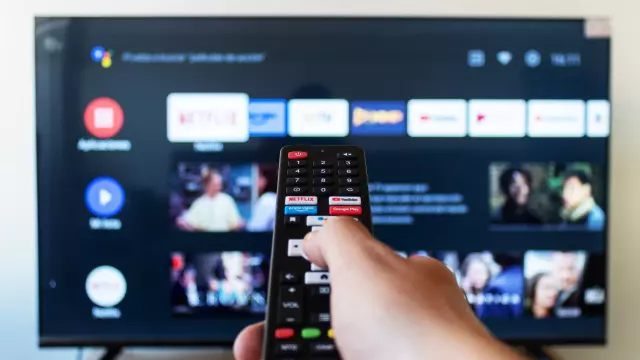
The allure of the smart TV was initially undeniable. The promise of having streaming services, apps, and content aggregation at the touch of a button revolutionized the living room experience. However, as the years have passed, that promise has been replaced by an increasingly frustrating reality: sluggish interfaces, intrusive banner ads, and excessive bloatware that turns the simple act of turning on your TV into a navigation nightmare.
The Clutter Crisis
Modern smart TVs are designed to be engagement platforms rather than just display devices. Manufacturers often pack software with sponsored content, recommended movies from services you don't subscribe to, and heavy system processes that lead to laggy, stuttering navigation. For many, this "smart" functionality has become more of an obstacle than a benefit.
Enter the AI Solution
Recently, tech-savvy users have turned to artificial intelligence as a corrective tool. By leveraging AI-powered development tools—specifically Claude Code—enthusiasts are 'vibe-coding' custom scripts to strip away unnecessary background services and replace bloated, ad-ridden home screens with lightweight, streamlined launchers.
Two prominent community-driven projects have emerged:
- dumbtv: A script that interacts with Android TV and Google TV via Android Debug Bridge (ADB). It allows users to remove unwanted apps and block background processes without needing to root the device or make permanent changes to the system.
- cleanyourtv: A tool that focuses on replacing the stock, ad-filled launcher with a clean, responsive interface reminiscent of a simplified Apple TV experience.
Why Users are Choosing the 'Dumb' Path
Proponents of this trend argue that a TV should do exactly what it was purchased for: display content from your chosen devices and apps, and nothing else.
- Performance Boost: By killing unnecessary background processes, the user interface becomes noticeably snappier.
- Ad Removal: Removing the bloatware often eliminates the persistent sponsored advertisements that dominate the home screen.
- User Control: These scripts are typically reversible with a single command, providing a 'no-risk' path back to factory settings if something goes wrong.
A Word of Caution
While the prospect of a faster, cleaner TV is enticing, users should be aware that these modifications carry risks. Modifying system packages can lead to unintended consequences, including potentially 'bricking' a device if essential OS functions are accidentally disabled. As one user noted after a failed attempt, improper use of these tools can trigger recovery screens, making the device temporarily unusable. Before proceeding, it is highly recommended that you check community forums and GitHub threads to see if others with your specific TV model have successfully implemented these fixes.
Conclusion
Ultimately, the 'dumb TV' trend is a direct critique of current industry practices that prioritize ad revenue over user experience. While it may not be for everyone, the ability to reclaim your device using AI-assisted coding is a testament to the growing desire for technology that respects the user’s time and focus.
Comments (0)
Sign in to join the conversation.Sign in
Loading comments...