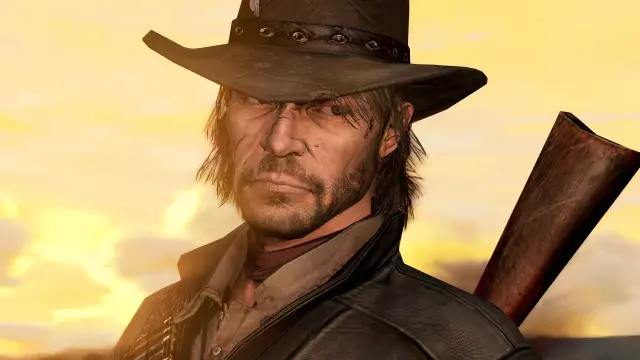
« People Were Furious »: Red Dead Redemption Co-Creator Defends the Game's Controversial Ending After 16 Years
- Tags
- Gaming News
- Rockstar Games
- Video Games
- Dan Houser
- Red Dead Redemption
- John Marston
Introduction to a Western Masterpiece
Released in 2010 by Rockstar Games, Red Dead Redemption successfully translated the immensely popular open-world formula of the Grand Theft Auto series into a gritty, atmospheric Wild West setting. Cementing itself as a cultural milestone, the game captivated players with its sprawling frontier landscapes, compelling storytelling, and unforgettable protagonist, John Marston. As one of the final outlaws of a dying era, Marston was coerced by government agents into hunting down his former gang members to secure freedom for his family. While the journey was hailed as a masterpiece, its tragic and brutal conclusion left an indelible mark on the gaming community—one that co-creator Dan Houser is still defending 16 years later.
Dan Houser Reflects on the Backlash and John Marston's Fate
In a recent interview with IGN, Rockstar co-founder Dan Houser looked back at the fierce public reaction triggered by the game's finale. Despite widespread critical and commercial acclaim, the narrative choices made in the closing hours of Red Dead Redemption broke conventional video game tropes of the era, inciting massive frustration among dedicated fans.
To recap, after systematically tracking down and eliminating his former confederates, John Marston finally returns home to a fleeting moment of peace with his wife and son on their ranch. However, this idyllic reunion is brutally shattered when the very government agents who employed him arrive with a battalion of men to execute him in a harrowing, unceremonious shootout.
Houser acknowledged that Marston’s death and the subsequent shift in perspective—handing control over to his son, Jack Marston, for the epilogue—resulted in a storm of controversy. « People were furious with this choice », Houser admitted, noting that the sheer intensity of the backlash caught him off guard. Yet, he views this anger through a positive lens: « That means they really felt invested in the story. » While recognizing that video games fundamentally rely on active player participation in a way traditional art forms do not, Houser stands by the decision, noting that he fully understands why some felt betrayed by the narrative trajectory.
The Technical and Emotional Hurdles of Development
Bringing this bold narrative vision to life was no simple feat for the development team at Rockstar. Houser recalled discussing the risky plot twist with principal designer Christian Cantamessa. Both recognized the immense emotional resonance of killing off the protagonist, but they were equally aware of the profound technical and design hurdles it presented.
Open-world games traditionally grant players total freedom to continue exploring the map and tackling side quests long after the main campaign concludes. Introducing a major time jump and an entirely new playable character raised complex design questions regarding how leftover open-world activities should be handled. Although the team ultimately possessed the resources and talent to execute the vision, balancing these technical obstacles with the heavy emotional weight made it one of the most stressful and agonizing decisions of Houser's career.
Comments (0)
Sign in to join the conversation.Sign in
Loading comments...