The Fall Lawn Care Mistake You're Probably Making — And the Secret to a Greener Lawn Next Spring
- Tags
- lawn care
- Home Improvement
- gardening tips
- fall gardening
- lawn maintenance
As autumn arrives and the air turns crisp, the falling leaves create a beautiful, golden-and-russet blanket across many lawns. While this seasonal display is picturesque, it can pose a serious threat to your grass if left unattended. Many homeowners fall into the trap of either ignoring the foliage or handling it improperly, which can lead to a struggling lawn come spring.
The Dangers of Ignoring Fallen Leaves
Jonathan Davis, a grass expert at Lawnsmith, warns that leaving a thick mat of leaves on your grass can be detrimental. 'A layer of leaves can smother grass and kill it in just a few weeks,' he explains. Beyond simply blocking necessary sunlight, trapped leaves can reduce the overall vigor of your lawn, create conditions for moss to thrive, and attract pests that damage your turf.
Raking vs. Mowing: What is Best?
Choosing between raking and mowing depends largely on the size of your lawn and the amount of debris you are facing.
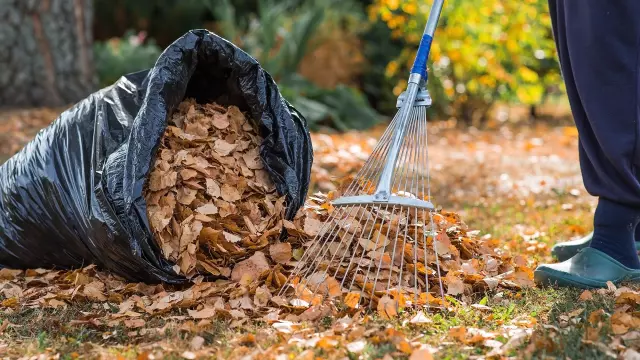
- Raking: Ideal for smaller gardens or delicate areas where you want a pristine finish. Once raked, these leaves shouldn't be thrown away; they can be used as a mulch in flower beds or placed in a bin with holes to break down into nutrient-rich leaf mold.
- Mowing: If you have a larger lawn, mowing is often the superior choice. Chopping the leaves into small fragments allows them to break down faster, essentially becoming an organic fertilizer for your soil.
Best Practices for Healthy Grass
Regardless of your chosen method, timing and technique are crucial:
- Wait for Dry Weather: Both raking and mowing are significantly easier when leaves are dry. Wet leaves tend to clump together, clogging your mower and forming a heavy, mat-like layer that is difficult to manage.
- Raise the Blade: When mowing, adjust your mower blade to a setting a notch or two higher than normal. This prevents 'scalping' the grass and helps the machine efficiently process the leaves.
- Consistency is Key: Aim for a weekly maintenance routine. Removing small amounts of leaves frequently is much easier than tackling a massive, soggy pile at the end of the season.
- Use the Right Tools: A wide plastic rake is perfect for dry, light debris, while a metal rake with a spring joint is better for damp conditions. If you choose to mow, a mulching mower will yield the best results by shredding the organic matter finely.
By following these simple steps, you ensure your lawn stays aerated and healthy throughout the winter, setting the stage for a lush, vibrant green appearance when spring returns.
Comments (0)
Sign in to join the conversation.Sign in
Loading comments...