The Hidden Fall Lawn Care Mistake: Why Your Cleanup Strategy Might Be Hurting Your Grass
- Tags
- lawn care
- gardening tips
- fall maintenance
- lawn health
- yard work
As autumn leaves blanket your yard, creating a picturesque golden landscape, many homeowners rush to grab their rakes. However, you might be making a common mistake that actually prevents a greener, healthier lawn next spring. According to lawn care experts, how you handle fallen leaves is critical to the vitality of your grass during the dormant season.
The Dangers of Neglecting Your Lawn
While a thin layer of leaves can sometimes act as a natural mulch, a thick, consistent blanket of foliage is detrimental. A dense layer of leaves suffocates the grass, blocking vital sunlight and preventing proper airflow. Left to accumulate, this debris can lead to lawn disease, promote moss growth, and even create a breeding ground for pests. Within just a few weeks, a neglected, covered lawn can begin to die off, setting your garden back for the following year.
Raking vs. Mowing: Which is Best?
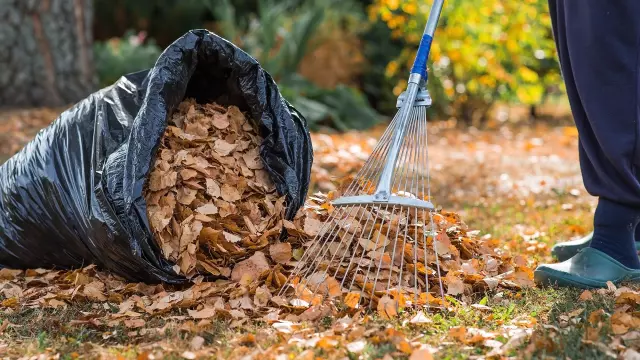
If you have a small garden, raking is often the most effective way to clear debris. However, Jonathan Davis, a lawn expert at Lawnsmith, notes that timing and technique are essential. Ideally, wait for a dry day; wet leaves mat together into a heavy, slippery layer that is not only back-breaking to rake but also damaging when left to stick to the grass. Once collected, these leaves shouldn't be discarded in the trash. Instead, use them as mulch in your flower beds, add them to your compost heap, or bag them to create nutrient-rich leaf mold.
The Case for Mowing
For those with larger properties, the secret to a perfect spring lawn lies in your lawnmower. Mowing fallen leaves is a time-saving, efficient way to provide your grass with organic fertilizer. If the leaves are dry, simply mowing over them shreds them into tiny pieces. These small fragments break down significantly faster than whole leaves and naturally feed the soil.
To do this effectively, ensure you raise your mower blade a notch or two for the first pass to avoid 'scalping' the grass. A mulching mower is ideal, though a standard rotary mower can get the job done. Aim to mow at least once a week during peak leaf fall so that the debris cover remains light. You know you’ve hit the sweet spot if you can still see the grass blades peeking through the shredded leaves.
Seasonal Maintenance Tips
Beyond leaf management, remember that autumn is a transitional period for your lawn. Avoid cutting the grass too short at this time of year, as a longer blade helps the plant maintain its root system and stamina through the winter. By adopting these simple, expert-recommended habits, you can stop weeds in their tracks and ensure your yard emerges lush and vibrant in the spring.
Comments (0)
Sign in to join the conversation.Sign in
Loading comments...