What is the 'Hotel Lobby' AI trend — and why is it raising concerns?
- Tags
- Artificial Intelligence
- Hotel Lobby AI trend
- AI video generation
- Generative AI ethics
- TikTok AI trends
- Quavo and Takeoff
Introduction to the Viral Trend
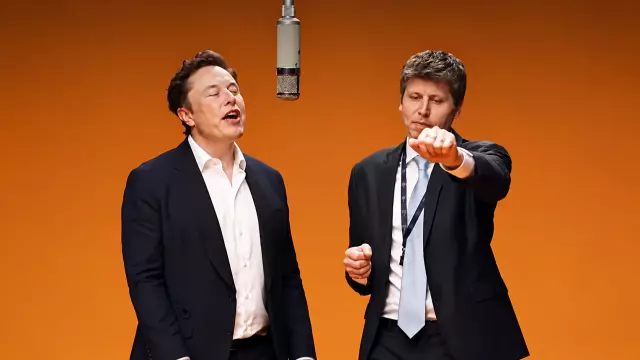
If you've been scrolling through TikTok, Instagram Reels, or X lately, there's a good chance you've encountered the same strange and mesmerizing scene over and over again. Two people stand against a vibrant, bright orange background with a single vintage microphone hanging down between them. As they rap, gesture, and move in rhythmic unison, it quickly becomes clear that you are watching an AI-generated video. Ranging from pairs of ordinary friends and beloved fictional characters to famous celebrities, almost anyone can now be placed into the viral orange room.
This rapidly spreading phenomenon is known as the "Hotel Lobby" trend. Despite its name, however, there is no physical hotel lobby involved in the creation or context of these videos. Instead, the trend stems from AI-generated recreations of Quavo and Takeoff's iconic performance of "HOTEL LOBBY (Unc & Phew)" on A COLORS SHOW. The original performance features the two rap artists against COLORS' signature minimalist backdrop, sharing a single microphone as they deliver their track. Today, generative AI tools have made it possible to seamlessly swap almost anyone into their places with just a few clicks.
What is the Hotel Lobby AI Trend?
Creating your own version of the Hotel Lobby trend is surprisingly accessible. Users can upload photographs of themselves, their friends, pets, or public figures and input simple prompts into advanced video generation platforms. A typical prompt might request a photorealistic music-performance video featuring two subjects standing side-by-side in a minimalist studio against a vivid burnt-orange background, utilizing a hanging vintage microphone and realistic skin textures, lighting, and motion.
The ease and speed with which these clips can be generated are precisely what makes the trend so fascinating. Generative AI has advanced far beyond simple face-swapping techniques; modern models can comprehensively reproduce identities, complex body movements, dynamic environments, and recognizable pieces of existing media within moments. Yet, this remarkable technological capability is also precisely where harmless internet memes start colliding with more complicated ethical questions.
Why is the Hotel Lobby AI Trend Raising Concerns?
Beneath the surface-level fun of placing yourself and your friends into a viral music video lies a significant piece of context that is easy to miss while scrolling: Takeoff tragically passed away in November 2022 at the age of 28. This means that a viral AI trend built around his performance is repeatedly reproducing the likeness, voice, and movements of someone who is no longer alive to grant permission or decide how their image should be utilized.
While some fans have fiercely criticized this aspect of the trend as disrespectful, others view it through a different lens. Quavo himself has publicly addressed the resurgence, describing the trend as bittersweet and acknowledging how it keeps Takeoff's legacy alive in the cultural consciousness, even while recognizing the emotional complexity of seeing AI-manipulated images of his late nephew. This nuance highlights a broader, ongoing debate surrounding consent, copyright, and the digital afterlife of public figures.
The Broader Implications of AI Reskins and Digital Likenesses
The ethical dilemmas raised by the Hotel Lobby trend extend far beyond a single viral meme. As generative video technology accelerates, questions regarding digital consent and intellectual property become increasingly urgent. When anyone can replicate a person's likeness, voice, and performance style without oversight, it blurs the line between digital tribute and exploitation.
Furthermore, privacy advocates and tech experts warn users about the hidden risks of uploading personal photographs to unverified AI platforms. Ensuring that you have the legal right to use uploaded images and carefully reviewing the terms of service of various AI generators is crucial to avoiding privacy violations and copyright infringement. Ultimately, while the Hotel Lobby trend will eventually fade from social media feeds, the profound legal and ethical questions it leaves in its wake are here to stay.
Comments (0)
Sign in to join the conversation.Sign in
Loading comments...