Why I'm Excited About the Fitbit Edge Despite Disliking the Charge 6
- Tags
- Tech News
- Fitness Trackers
- Smartwatches
- Fitbit
- Fitbit Edge
When it comes to fitness tracking, the Fitbit Charge 6 has long held a dominant spot in the market. However, for many users—and tech reviewers alike—it had its fair share of frustrating quirks. From a slightly boxy visual aesthetic to a notoriously tiny screen that often failed to register touches from sweaty or wet fingers, it wasn't universally beloved. Despite these shortcomings, Google's recent announcement of the $180 Fitbit Edge, slated for an October 27 release, has sparked renewed excitement. Positioned perfectly in the lineup between the entry-level Fitbit Air and the high-end Google Pixel Watch 5, the Fitbit Edge addresses many historical complaints. Here are six compelling reasons to look forward to Google's latest fitness tracker.
1. A Plethora of Customizable Band Options
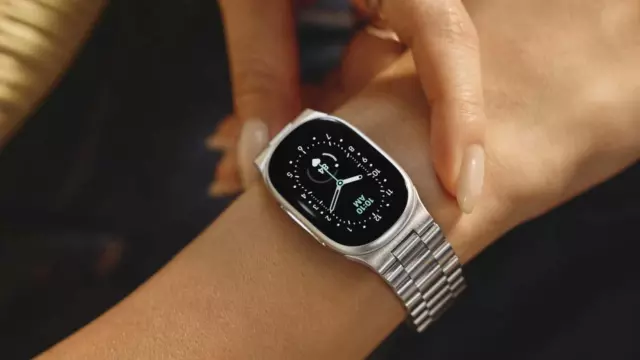
At launch, Google showcased a vast array of band options for the Fitbit Edge. Ranging from durable plastic active bands to elegant, sleek metal designs, swapping bands is designed to be effortless at the click of two buttons. This versatility allows users to seamlessly transition from a sweaty morning workout to a formal evening setting.
2. A Larger, More Usable Screen
While minimalism appeals to some, the slight size increase of the Fitbit Edge—measuring 39.2 x 25.6 mm compared to the Charge 6's 36.7 x 23.1 mm—houses a much more substantial and brighter screen. This upgrade makes navigating menus and tracking metrics significantly easier, eliminating the touch-responsiveness frustration experienced during intense exercise sessions.
3. The Return of a True Physical Button
For those who despise pure touchscreen navigation or finicky haptic feedback zones, the inclusion of a genuine, clickable physical button on the side of the Fitbit Edge is a massive win. It ensures tactile, reliable control when your hands are damp or when you need to quickly pause a workout.
4. Built-in ECG and Advanced Health Sensors
Unlike its screen-free sibling, the Fitbit Air, the Fitbit Edge packs an impressive suite of sensors for its $180 price point. Beyond a highly accurate heart rate sensor that records data every two seconds, the Edge features an ECG sensor capable of detecting signs of A-Fib, a skin temperature sensor for menstrual cycle tracking, heart rate variability (HRV) metrics, and an SpO2 sensor for blood oxygen monitoring.
5. Built-In GPS and Enhanced Activity Tracking
Outdoor runners and cyclists will appreciate the built-in GPS, which lets you leave your smartphone behind while mapping routes accurately. Furthermore, Google’s updated automatic activity tracking promises to recognize non-traditional exercises like stand-up paddleboarding and yoga, complementing standard routines like walking, running, and cycling.
6. Comprehensive Tracking and Gemini-Powered Coaching
Bringing massive software upgrades over older iterations, the Fitbit Edge integrates advanced metrics like cardio load, VO2 max, and a daily readiness score. For Google Health Premium subscribers, the Gemini-powered health coach offers genuinely insightful, actionable recovery advice rather than simply echoing raw statistics back to the user. Ultimately, the Fitbit Edge is shaping up to be an ideal mid-tier device for fitness enthusiasts who want robust tracking without moving to a full smartwatch.
Comments (0)
Sign in to join the conversation.Sign in
Loading comments...