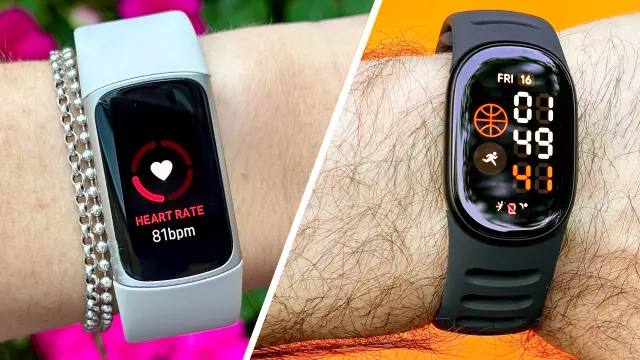
Fitbit Edge vs. Fitbit Charge 6: Which Google Fitness Tracker Wins?
- Tags
- Wearable Tech
- Fitness Trackers
- Fitbit
- Fitbit Edge
- Fitbit Charge 6
Introduction
Selecting the right fitness tracker can be a daunting task with the sheer volume of options available. With the recent debut of the Fitbit Edge, many users are questioning if it is time to upgrade from the highly-regarded, yet aging, Fitbit Charge 6. While the Charge 6 remains a benchmark for affordable activity tracking, the newer Edge brings specific hardware and software improvements to the table. In this comparison, we break down exactly how these two wearables stack up.
Pricing and Market Position
The Fitbit Edge enters the market with a price tag of $179, while the older Fitbit Charge 6 can currently be found for significantly less at major retailers, often dipping below $130. Given the age gap between the two devices, the Charge 6 offers better value for those looking for a budget-friendly entry into the Google-powered ecosystem.
Design and Hardware
In terms of design, the Fitbit Charge 6 is slightly lighter and more compact than the Edge. The Edge takes a more substantial approach, weighing in at 17.7g compared to the Charge 6’s 15g. However, the Edge features a physical, clicky button that provides much better tactile feedback than the haptic-touch sensor found on the Charge 6. Both devices offer a comfortable fit for all-day wear.
Display Quality
This is one area where the Edge clearly outclasses its predecessor. It boasts a larger 1.34-inch AMOLED display compared to the 1.04-inch screen on the Charge 6. The increased screen real estate and higher maximum brightness make the Edge significantly easier to read under direct sunlight and offer a smoother interface navigation experience.
Health and Fitness Capabilities
Both trackers share core functionalities like continuous heart rate monitoring, SpO2 tracking, and sleep analysis. However, the Edge is the clear winner for serious fitness enthusiasts. It introduces an onboard barometric altimeter for precise elevation tracking—a major omission in the Charge 6. Furthermore, the Edge supports advanced health metrics, including blood pressure trends, insulin resistance monitoring, and life-saving safety features such as loss-of-pulse and breathing emergency detection.
The Smart Features Dilemma
Interestingly, the Fitbit Charge 6 holds a distinct advantage in smart connectivity. It includes NFC support, enabling Google Wallet for seamless on-wrist contactless payments. The newer Edge, for reasons not fully explained, lacks this feature. For users who rely on their tracker for quick, wallet-free payments, the Charge 6 remains the superior choice.
Battery Life
Both devices are rated for seven days of battery life. In real-world usage, they both hover between five and six days depending on settings like the Always-On Display. The Edge features faster charging, reaching a full charge in approximately 90 minutes compared to the two hours required for the Charge 6.
Final Verdict
If you prioritize the latest health tracking technology, a larger display, and physical controls, the Fitbit Edge is a compelling upgrade. However, the Charge 6 remains a powerhouse for those who value contactless payments via NFC and a more compact profile. Ultimately, for the health-conscious user, the Fitbit Edge is the superior fitness tracker.
Comments (0)
Sign in to join the conversation.Sign in
Loading comments...