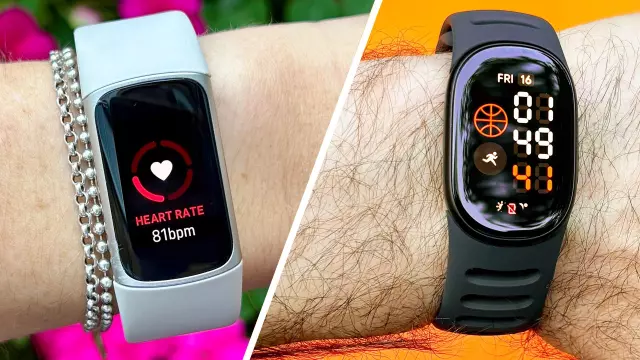
Fitbit Edge vs Fitbit Charge 6: Which Google Fitness Tracker Wins?
- Tags
- Wearable Tech
- Fitness Trackers
- Fitbit
- Fitbit Edge
- Fitbit Charge 6
- Smartbands
Introduction: The Battle of Google's Fitness Trackers
When looking for the best fitness tracker, deciding between the latest models and established fan favorites can be challenging. While newer technology usually promises an upgrade, older devices often bring proven reliability and lower price points. This is certainly the case when comparing the Fitbit Edge and the classic Fitbit Charge 6.
The Fitbit Charge 6 has long been celebrated as one of the best fitness bands available on the market. However, with the arrival of the Fitbit Edge, Google has introduced a fresh contender equipped with a larger screen, updated safety tracking tools, and a refined design. Let's dive into a comprehensive head-to-head comparison covering price, design, display quality, health metrics, smart features, and battery life.
Pricing and Availability
Cost is often the primary deciding factor for many buyers. The Fitbit Edge launches at $179, sitting just $20 higher than the original launch price of the Fitbit Charge 6 ($159). Adjusted for inflation, that represents a comparable entry tier for new fitness tech.
That said, buying the Fitbit Charge 6 today offers significantly deeper discounts now that its successor is on the market. Depending on retailer promotions, you can often find the Charge 6 at a reduced price, making it a much more budget-friendly option if you want robust tracking without breaking the bank.
Design and Comfort
In terms of physical build, the Fitbit Charge 6 weighs around 15 grams for the case, whereas the slightly larger Fitbit Edge weighs 17.7 grams. The newer model is visibly larger and thicker, giving it a more prominent footprint on the wrist.
Both devices feature a single control button on the side, but they operate differently. The Charge 6 utilizes a haptic touch button that vibrates upon interaction, while the Edge features a tactile, physical clickable button that many users prefer for ease of use during sweaty workouts. Despite the size difference, both trackers remain comfortable for all-day wear.
Display Comparison
Display size is one area where the Fitbit Edge immediately pulls ahead. It houses a vibrant 1.34-inch AMOLED display compared to the more compact 1.04-inch screen on the Charge 6.
While both fitness bands use bright AMOLED technology capable of producing clear visuals, the Edge boasts a higher maximum brightness output. Combined with the extra screen real estate, reading text, viewing maps, and checking workout stats outdoors is noticeably easier on the newer model.
Health and Fitness Tracking
Both fitness trackers cover the foundational health metrics exceptionally well. You get continuous heart rate monitoring, SpO2 blood oxygen tracking, skin temperature sensors, ECG readings, and comprehensive sleep reporting.
However, the Fitbit Edge introduces several advanced health tools developed by Google. This includes support for blood pressure trend analysis, insulin resistance insights, and vital safety features such as breathing emergency alerts and loss of pulse detection. Additionally, outdoor enthusiasts will appreciate that the Edge includes a built-in barometric altimeter for precise elevation gain and loss tracking.
Smart Features and Connectivity
Interestingly, the older Fitbit Charge 6 holds an advantage when it comes to everyday smart functionality. Both devices successfully mirror smartphone notifications and allow you to control media playback.
However, only the Fitbit Charge 6 includes built-in NFC and support for Google Wallet, allowing for seamless contactless payments right from your wrist. The omission of NFC on the Fitbit Edge is a notable drawback for users who rely on wearable payments.
Battery Life and Charging
Google rates both the Fitbit Charge 6 and the Fitbit Edge for up to seven days of battery life on a single charge. In practice, real-world usage usually lands closer to five or six days depending on feature activation like continuous display settings or GPS tracking.
When it comes to replenishment, the Fitbit Edge charges slightly faster, reaching maximum capacity in around 90 minutes, compared to the roughly two hours required for the Charge 6.
The Verdict: Which One Should You Buy?
Choosing between the Fitbit Edge and the Fitbit Charge 6 comes down to your priorities. The Fitbit Charge 6 remains an incredible value, offering NFC payments, solid battery life, and reliable tracking at a discounted price point.
On the other hand, the Fitbit Edge wins the overall comparison thanks to its larger, brighter display, superior physical button, advanced safety features, and precise altimeter tracking. If you want the most advanced health ecosystem Google has to offer in a band-style form factor, the Fitbit Edge is the clear winner.
Comments (0)
Sign in to join the conversation.Sign in
Loading comments...