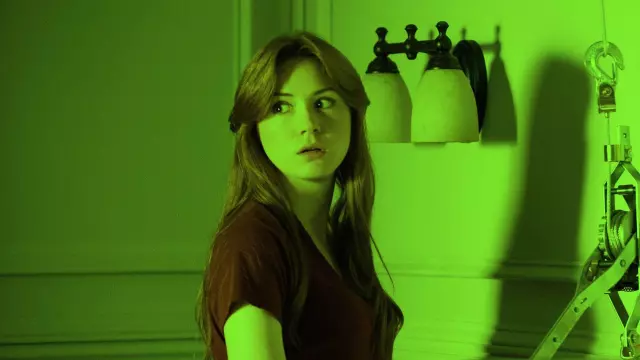
I’m watching a horror movie every day in October 2026 — and today’s pick is Mike Flanagan’s mind-bending nightmare
- Tags
- streaming
- horror movies
- Entertainment
- Oculus
- Mike Flanagan
- Halloween 2026
Embarking on a 31-Day Horror Marathon
October is universally celebrated as the premier month for horror aficionados. With the air turning crisp, the evenings growing longer, and Halloween just around the corner, there is no better time to retreat into a dark room with a warm blanket and a chilling film. For this year's Halloween season, I have decided to push my love for the genre to the absolute limit by undertaking a grueling yet thrilling challenge: watching one horror movie every single day from October 1 through Halloween night. This marathon features a curated mix of nostalgic favorites I haven't visited in years and terrifying titles I am experiencing for the very first time.
Day 2: Diving Into Mike Flanagan’s 'Oculus'
For day two of the challenge, my sights were set firmly on Oculus, the brilliant 2014 supernatural psychological horror film written and directed by modern master of horror Mike Flanagan. Known for his ability to craft deeply emotional, character-driven nightmares, Flanagan specifically engineered Oculus around themes of distortion, paranoia, and the unreliability of human perception. The film follows Tim Russell, played by Brenton Thwaites, who is finally released from a psychiatric facility after eleven tumultuous years. Tim hopes to leave behind the tragic events that tore his family apart—an incident that left his father dead and resulted in Tim being convicted of the murder, while his older sister, Kaylie, was sent into foster care.
Now adults, Kaylie (portrayed brilliantly by Karen Gillan) remains utterly convinced that an antique mirror known as the Lasser Glass was the true culprit behind their parents' horrifying demise. Determined to prove her brother's innocence and expose the entity within the glass, Kaylie tracks down the artifact and brings it back to their childhood home. Surrounded by elaborate safety precautions, cameras, and alarms, the siblings begin an intense night of documentation, pitting their sanity against a force that manipulates reality itself.
Unraveling the Psychological Terror
What makes Oculus stand out in the crowded landscape of supernatural cinema is its refusal to hand the audience easy answers. Instead of relying purely on cheap jumpscares, Flanagan trusts his audience, building dread through slow-burn psychological suspense and visceral, disorienting storytelling. The film brilliantly weaves together two distinct timelines—the past, showing their parents' agonizing descent into madness, and the present, where the adult siblings face the exact same evil. This seamless transition between eras keeps viewers permanently off-balance, echoing the characters' confusion over what is real and what is hallucination.
Flaws and Final Verdict
Despite its brilliance, the film is not entirely without flaws. Some narrative logic stretches credibility, particularly when Kaylie, despite knowing the extreme danger the mirror poses, repeatedly places herself and her brother in vulnerable positions to keep the plot moving. Furthermore, the rules governing the mirror's supernatural abilities can feel overly broad at times, occasionally making it seem capable of doing whatever the script requires. Nevertheless, Oculus remains a masterclass in tension, delivering a deeply unsettling descent into fear that sets a high bar for the rest of my October horror journey.
Comments (0)
Sign in to join the conversation.Sign in
Loading comments...