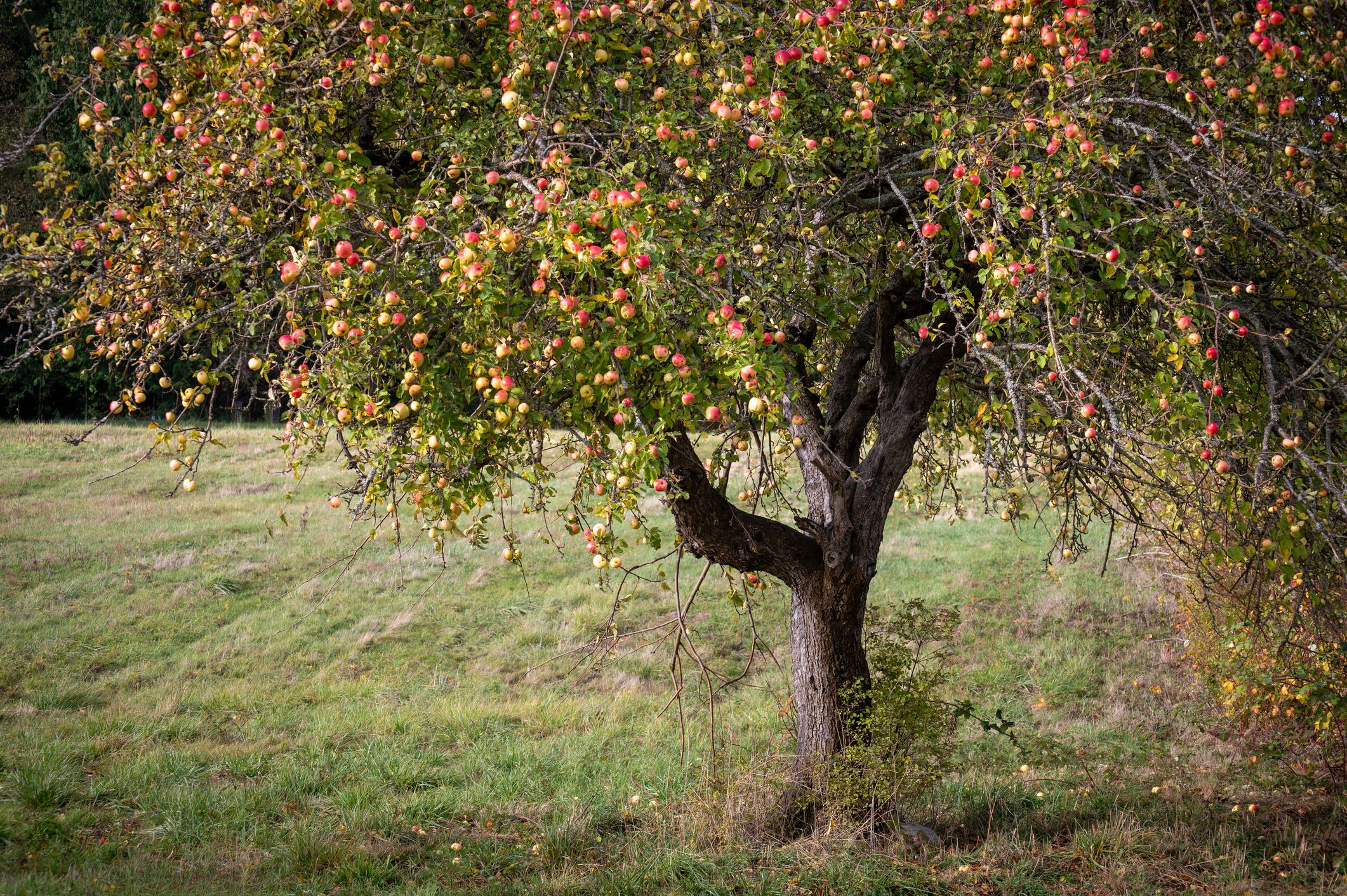
My Neighbor's Apples Are Falling Into My Garden: What Are My Rights?
This post has no video
Living next to someone with a fruit tree can be a seasonal delight—until the fruit begins to fall into your yard, creating a mess or a pest problem. While it might seem like a simple case of 'finders keepers,' the legal reality is much more specific. Here is a comprehensive guide to understanding your rights and how to handle this common neighborly dilemma.
Do You Own the Fallen Fruit?
According to legal experts, the fruit does not become yours simply because it lands on your property. Under standard property laws, the tree belongs to the neighbor, and the fruit remains their property regardless of where it lands. Picking up the fruit and consuming it without permission could theoretically be classified as a civil offense, or in some jurisdictions, even theft.
The Legal Perspective on Overhanging Branches
Many homeowners believe that if a branch hangs over their fence, they automatically have rights to the fruit on that branch. This is incorrect. The tree owner retains rights to both the tree and any windfall that falls from it. While you may have the right to prune branches that hang over your property line (depending on local ordinances), the ownership of the fruit remains with your neighbor.
How to Handle the Situation Without Tension
When the harvest is heavy, the accumulation of rotting fruit can attract unwanted pests, such as rodents or wasps, to your garden. This can quickly turn from a small nuisance into a hygiene issue. Here is how to approach the situation:
- Ask for Permission: A simple, friendly conversation is always the best first step. Knock on their door and say something like, 'I’ve noticed some apples from your tree are landing in my yard. Would you like me to collect them for you, or am I free to enjoy some of them?'
- Be Considerate: Even if you are not legally required to return the fruit, offering to do so fosters goodwill. It protects your relationship and avoids potential disputes down the road.
- Document Your Interactions: If the issue persists and becomes a source of conflict, keep a written record of your conversations. If the neighbor is unresponsive to a polite request, a follow-up email or text can serve as a documented attempt to resolve the issue.
Conclusion
Your home should be a place of peace and security, not the center of a neighborhood dispute. By approaching your neighbor with a calm, polite, and helpful attitude, you can often find a solution that works for everyone—and perhaps even enjoy some fresh fruit in the process.