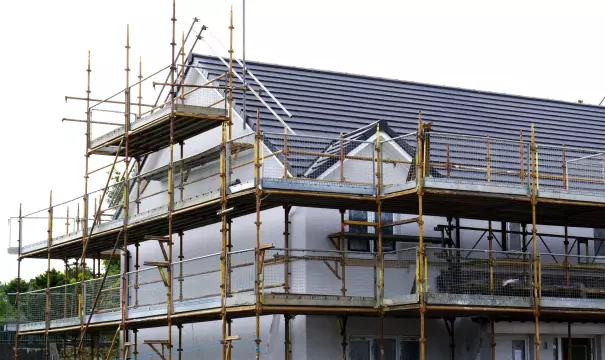
Neighbor's Home Renovation: What Are Your Rights If Damage Occurs?
- Tags
- Neighbor Disputes
- Legal Advice
- Home Improvement
- property rights
- home renovation
Understanding the Risks of Neighboring Renovations
With rising real estate costs, many homeowners are choosing to renovate or expand their properties rather than relocate. While these projects can enhance the value and functionality of a neighborhood, they often bring significant stress to those living next door. From structural concerns to quality-of-life disruptions, it is crucial to understand what happens when a neighbor's project crosses boundaries—literally and figuratively.
Types of Potential Damage
According to legal experts like Stacy Kemp Ferrari of the Kemp Law Group, issues typically fall into two categories: physical property damage and quality-of-life interference.
In shared-wall settings such as apartments or condos, risks are heightened. Heavy construction can lead to ceiling and wall cracks, plumbing leaks, or even utility disruptions. Furthermore, property owners should be wary of drainage issues; if a neighbor installs a new patio, driveway, or garage with poor grading, it can cause water to run directly onto your land, potentially leading to basement flooding that may not be immediately apparent.
Your Legal Rights and Protections
Knowing your legal standing is the first step in protecting your investment. While local ordinances vary, most jurisdictions provide property owners with the right to sue for damages, seek injunctions against public or private nuisances, protect established property boundaries, and enforce local building codes.
To effectively safeguard your property, consider these expert tips:
- Document Everything: Capture photos and videos of any damage as soon as it appears, ensuring they are timestamped. These act as critical evidence in any potential legal dispute.
- Maintain Records: Keep a detailed log of all conversations with your neighbor, including follow-up texts or emails.
- Get a Survey: If the issue involves boundary lines or encroaching structures like scaffolding, a recent professional property survey is often the definitive way to settle arguments.
How to Communicate Effectively
Before escalating to a legal battle, which can be both expensive and damaging to community relations, it is best to attempt a constructive dialogue. Approach your neighbor when emotions are calm. Prepare a list of your specific concerns, reference relevant local ordinances if necessary, and arrive with potential compromises in mind—such as requesting specific quiet hours during the day. By remaining calm and focusing on collaborative solutions, many disputes can be resolved before they escalate.
Comments (0)
Sign in to join the conversation.Sign in
Loading comments...