Spot mold early: Don't ignore these 5 early warning signs
- Tags
- home maintenance
- mold prevention
- household tips
- home health
- moisture control
Mold growth in your home is more than just a cosmetic nuisance; it can signal underlying issues with ventilation and excess moisture. As temperatures fluctuate, maintaining a healthy home environment becomes critical to preventing structural damage and health concerns. According to experts, you do not need to wait for a full-blown infestation to take action. By identifying the early warning signs, you can address moisture problems before they become costly repairs.
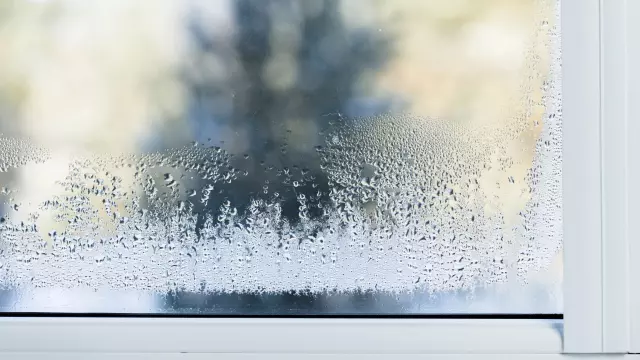
1. Recurring Condensation on Windows
While finding light condensation on your windows on a chilly morning might seem normal, persistent moisture that pools on sills or nearby walls is a red flag. Frequently wiping these areas without investigating the source often ignores an underlying humidity issue. Check if you are properly using extractor fans and consider if daily habits—such as drying clothes indoors—are contributing to the buildup of internal moisture.
2. Small Black Spots Appearing on Surfaces
Mold doesn't usually materialize overnight; it often begins as subtle, small black specks in corners, around window frames, or along ceiling edges. If you find these spots reappearing immediately after you have cleaned them, it is a clear indicator that the root cause—likely restricted airflow or trapped humidity—has not been resolved.
3. A Persistent Musty Smell
Often, your sense of smell will detect mold before your eyes do. A persistent musty or earthy odor in a specific room is a strong indicator that moisture is collecting in an area out of sight, such as behind furniture, inside closets, or against exterior walls. If a room smells damp, start by checking these hidden spaces.
4. Bubbling Paint and Peeling Wallpaper
Excessive humidity can damage wall finishes. If you notice wallpaper beginning to peel or paint starting to bubble, it is a sign that moisture is trapped behind the surface. Trying to simply re-stick the paper or repaint the wall is a temporary fix that will inevitably fail until you identify and address the source of the dampness.
5. Persistent Recurrence
The most telling sign of an unresolved issue is recurrence. If you have treated an area for mold multiple times and it continues to return, you are likely dealing with a consistent moisture source. Keeping track of when these patches appear—whether after heavy rain, during cold snaps, or following specific home activities—can help you pinpoint the cause and finally eliminate the problem.
How to Manage Home Humidity
To keep your living environment mold-free, consider these practical steps:
- Always utilize extractor fans during cooking and showering.
- Keep air vents clear and ensure adequate airflow behind furniture.
- Limit drying clothes indoors; if you must, use a tumble dryer or a well-ventilated space.
- Use a dehumidifier to actively remove excess water from the air.
- Monitor indoor humidity levels using a hygrometer to stay informed about your home’s climate.
Comments (0)
Sign in to join the conversation.Sign in
Loading comments...