Stop Bleeding Your Radiators: The Common Mistake That's Actually Keeping Your Home Cold
- Tags
- home maintenance
- heating
- energy saving
- radiator
- DIY tips
As the chill of autumn settles in, many homeowners are firing up their heating systems for the first time in months. It is common to find that a radiator isn't performing as expected, often leading people to immediately reach for a radiator key to bleed the unit. However, heating experts, including those from U.K. Radiators, warn that this knee-jerk reaction could be a wasted effort or even a counterproductive mistake.
The Golden Rule: Diagnose Before You Bleed
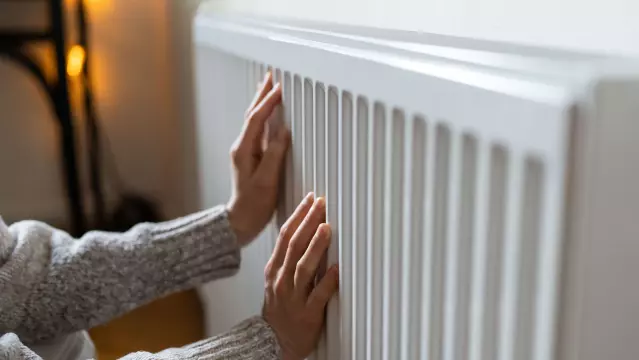
Bleeding a radiator is only effective if the problem is trapped air. Rob Nezard, a heating expert, suggests a simple 'touch test' to diagnose the issue. Turn your heating on and let the system warm up fully, then carefully feel the surface of the radiator.
If the top of the radiator is cold while the bottom is warm, it is a clear indicator that air is trapped at the top, and bleeding the system will likely resolve the problem. However, if the top is warm but the bottom remains cold, bleeding will do absolutely nothing. Cold patches at the bottom of a radiator usually signal an accumulation of sludge or debris, which requires a professional power flush rather than a simple DIY release of air.
Six Common Radiator Bleeding Mistakes
If your diagnostic test confirms that trapped air is the culprit, you must proceed with caution. Avoid these six common errors to keep your system safe and efficient:
-
Bleeding while hot: Never attempt to bleed a radiator while the heating is on or the radiator is scalding hot. Always turn the system off and allow it to cool down completely first to prevent burns.
-
Assuming it is always the fix: As noted, bleeding is not a universal solution. If a radiator is cold throughout, it could indicate a stuck valve or a system-wide balancing problem.
-
Over-opening the valve: You do not need to unscrew the mechanism entirely. A quarter to half turn is generally sufficient to let trapped air escape. Stop as soon as you hear the hissing sound stop and water begins to appear.
-
Neglecting protection: Always have a towel and a small container ready to catch the water that will inevitably follow the air. This prevents damage to your carpets and flooring.
-
Forgetting to check boiler pressure: Bleeding releases air and water, which lowers the pressure in a sealed heating system. Always check your boiler's pressure gauge after bleeding and top it up to the manufacturer's recommended level if necessary.
-
Repeatedly bleeding the same unit: If you find yourself having to bleed the same radiator week after week, you are likely not fixing the underlying issue. Consistent pressure or air problems suggest a deeper fault in your heating infrastructure that requires a professional inspection.
Comments (0)
Sign in to join the conversation.Sign in
Loading comments...