Stop Buying Filler Seed: What Chickadees Actually Need to Survive a Cold Snap
- Tags
- backyard birds
- bird watching
- winter gardening
- chickadee
- wildlife conservation
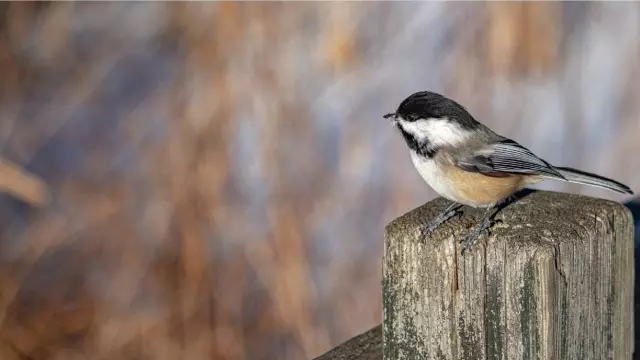
As winter approaches and temperatures begin to plummet, many backyard bird enthusiasts are eager to support their local feathered friends. However, understanding the biology of small birds like the black-capped chickadee is critical to providing the right kind of nourishment. Despite weighing less than a single AA battery, these tiny birds are remarkably resilient, though they face extreme challenges during freezing nights.
The Science of Winter Survival
To survive sub-zero nights, black-capped chickadees undergo a fascinating physiological change, intentionally lowering their body temperature by up to 15 degrees to conserve energy. This process is metabolically expensive; a single chickadee can burn through 10% of its body weight in a single night just to keep its heart beating and vital organs functioning. By sunrise, their internal fuel reserves are essentially depleted, leaving them in a desperate need for a high-calorie breakfast to survive the day.
Why Filler Seeds Fail
Many commercial birdseed mixes are padded with 'filler' seeds like red millet or milo. These ingredients are largely ignored by chickadees, who instinctively know that these seeds provide poor nutritional value compared to the effort required to eat them. When a cold snap hits and natural food sources are buried under ice or snow, these birds cannot afford to waste energy on low-value food.
The Power of High-Fat Fuel
To help your local chickadees, you must prioritize high-fat, high-energy food sources.
- Black Oil Sunflower Seeds: These are the gold standard. They feature thin, easy-to-crack shells and contain high levels of the oils these birds need for warmth.
- High-Fat Suet: Pure suet cakes provide the concentrated fat content that chickadees can metabolize rapidly, giving them the instant energy spike necessary to recover from the previous night's metabolic stress.
Creating a Winter-Ready Yard
Feeding is only one part of the equation. To truly support these birds, consider the following environmental factors:
- Strategic Placement: Hang your suet and seed feeders near evergreen shrubs or dense brush. This provides a natural shield against biting winter winds, allowing the birds to feed without losing excessive body heat.
- Weather Protection: Rain, sleet, and freezing drizzle can turn your feeders into solid, inaccessible blocks of ice. Use wide baffles or weather guards to keep the food dry and accessible.
- Water Access: While food provides internal heat, fresh water is essential for hydration. Use a heated birdbath to prevent the water from freezing, which saves the birds from wasting precious energy attempting to find or melt ice.
- Natural Shelter: Leave brush piles and nesting boxes in place. These provide vital, insulated refuge points where birds can huddle during the harshest weather.
By moving away from cheap, filler-heavy mixes and focusing on high-density fats, you provide more than just a snack—you offer a lifeline that helps these tiny, tough survivors make it through the winter season.
Comments (0)
Sign in to join the conversation.Sign in
Loading comments...