The 3-Minute Trick to Force Stubborn Green Tomatoes to Ripen Fast
- Tags
- Gardening
- tomatoes
- harvest
- plant care
- autumn tips
- vegetable garden
Introduction to Late-Season Tomato Struggles
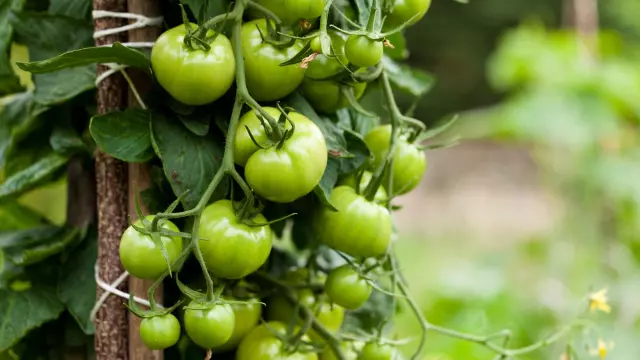
Ask around any garden plot come autumn, and you'll typically find two types of growers: those harvesting bowls of sweet, red fruit, and those staring despairingly at vines heavy with stubbornly green tomatoes as the first frost looms. If you happen to belong to the second group, there is no need to panic.
Many gardeners mistakenly assume that late-season tomatoes simply need more sunshine or extra time on the vine. In reality, tomato ripening is controlled by a specific biological trigger. By utilizing one simple pruning and stress technique, you can trick the plant into channeling its remaining energy into turning those green fruits bright red before cold weather shuts everything down.
Why Aren't My Tomatoes Turning Red?
To understand why tomatoes refuse to turn red in the early fall, you have to look closely at the pigments inside the fruit. Tomatoes rely primarily on two compounds for their color: carotene, which produces warm yellow and orange tones, and lycopene, which provides that rich, classic red hue.
The production of lycopene relies heavily on ambient temperature. Tomato plants actively synthesize lycopene within a very specific thermal window, ideally between 68°F and 77°F (20°C to 25°C). When temperatures climb above 85°F (29°C) during late-summer heatwaves, or conversely dip below 55°F (13°C) as autumn nights begin to cool down, lycopene production halts entirely.
Consequently, the plant enters a state of pigment paralysis. The fruit itself is mature, but the chemical switch required to trigger redness is effectively locked. Sunlight actually plays a surprisingly minor role during this final phase; heat and internal plant hormones drive the entire transformation.
The 3-Minute Pruning Fix to Force Ripening
When autumn temperatures drop and threaten your harvest, you can force your tomato plant into an emergency survival mode that successfully redirects its remaining energy into the existing fruit. Follow these quick steps:
- Snip the Top: Cut off the main growing tip at the very top of the plant to immediately halt vertical growth.
- Purge Non-Essentials: Strip away all open flowers, tiny buds, and marble-sized fruit, as these only drain valuable sugars and nutrients.
- Root Pruning Stress: Sink a trowel into the soil about six inches away from the main stem on two sides to sever a few of the outer roots. This controlled stress triggers a natural surge of ethylene gas, forcing full-sized green tomatoes to ripen rapidly.
When and How to Bring Green Tomatoes Indoors
For the best possible flavor, leave your fruit out on the vine as long as nighttime lows stay above 50°F (10°C), utilizing frost cloth if necessary to protect against brief cold snaps. However, once nighttime temperatures drop below 50°F or a hard frost is forecasted, you must harvest all full-sized fruit immediately.
Avoid the common mistake of placing them on a sunny windowsill, as direct, harsh light can bake the skin and cause the fruit to rot. Instead, place your green tomatoes in a single layer inside a cardboard box kept in a warm, dark room. Throwing in a ripe banana or apple will help concentrate ethylene gas, speeding up the ripening process within a week or two.
Comments (0)
Sign in to join the conversation.Sign in
Loading comments...