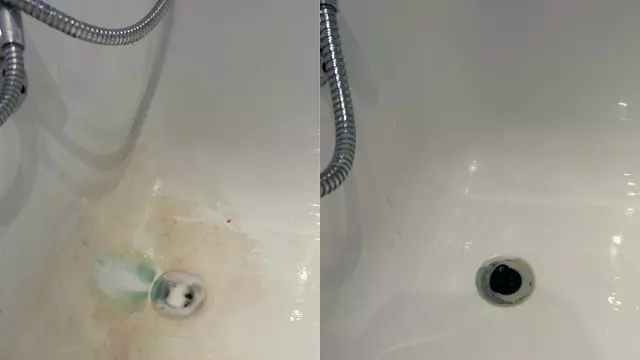
The 5-Minute Limescale Hack You Need: All You Need Is a Coin
- Tags
- home maintenance
- bathroom cleaning
- cleaning hacks
- DIY cleaning
- limescale removal
Dealing with stubborn, crusty limescale build-up in the bathroom is a chore most of us dread. Whether it is around your faucet or on the basin of your bathtub, this mineral deposit can be incredibly difficult to shift with standard cleaning products alone. However, a simple, low-cost hack involving a common household item—a copper coin—might be the game-changer you have been waiting for.
Why Limescale Is So Stubborn
Limescale is primarily composed of calcium carbonate, which accumulates over time wherever hard water is present. Once it hardens, it adheres firmly to surfaces like porcelain, chrome, and enamel. While chemical cleaners are effective at breaking down thinner layers, they often struggle against thick, calcified deposits that have built up over years of neglect, particularly near leaky faucets.
The 5-Minute Coin Hack Explained
To tackle the worst of your limescale, you do not need expensive specialized tools. The secret is in the copper content of a standard coin.
- Pre-treat the Area: Start by applying a high-quality, dedicated limescale remover to the affected area. It is crucial to let this sit for 5 to 10 minutes, as this allows the chemical formula to penetrate and soften the mineral structure.
- The Mechanical Removal: Once the surface has soaked, take a copper coin and use its edge as a scraper. The copper is soft enough not to permanently damage most sturdy porcelain or enamel tubs, but hard enough to mechanically dislodge the mineral crusts that detergents could not fully dissolve.
- Work in Shifts: For heavy, multi-layered deposits, you may need to apply the cleaner, scrub with the coin, and repeat the process.
- Dealing with Thick Deposits: If you are still struggling, try laying a wet cloth soaked in the cleaning solution over the stubborn spots for an additional 20 minutes before resuming the scrubbing.
Important Considerations
While this method is incredibly effective, exercise caution. Always test the coin on a small, inconspicuous area of your bathtub or sink to ensure it does not scratch the finish. Avoid using this technique on delicate surfaces, chrome-coated faucets, or metallic fixtures that could be easily damaged or tarnished by the sharp edge of a coin. If you notice any dark marks while scrubbing, do not panic; these are usually just metal residues that wash away easily with a damp cloth and a quick wipe down.
By incorporating this simple manual step into your cleaning routine, you can save significant money on professional cleaners or deep-cleaning services, turning an hour-long ordeal into a quick, manageable task.
Comments (0)
Sign in to join the conversation.Sign in
Loading comments...