The Price of Ambition: The Grueling 21-Day Crunch Behind the First Mass Effect
- Tags
- Gaming
- RPG
- Mass Effect
- BioWare
- Video Game Development
- Crunch Culture
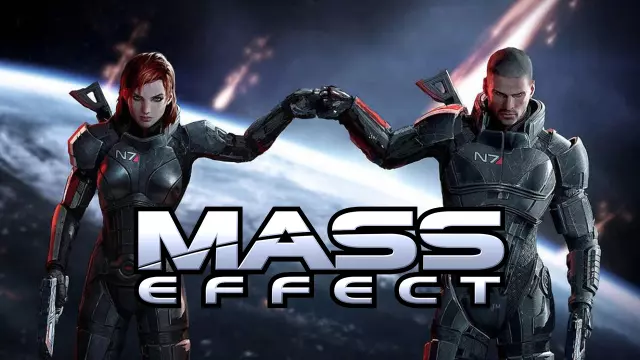
Mass Effect is today revered as a cornerstone of the science fiction RPG genre, a series that redefined interactive storytelling. However, behind the polished finish of the 2007 original lies a tale of intense development pressure, relentless ambition, and a grueling final push to bring BioWare's vision to life.
Chasing an Impossible Vision
According to Armando Troisi, the lead cinematic designer on the original title, the development was defined by the uncompromising vision of director Casey Hudson. Referred to internally as the 'chief troublemaker,' Hudson pushed his team toward goals that often felt unattainable. The team was tasked with creating a deeply cinematic experience on new hardware, a triple challenge involving a new game engine, a new intellectual property, and the Xbox 360 platform.
Cinematic Innovation Under Pressure
Troisi revealed that the team drew inspiration from classic cinema, including films like 'The Good, the Bad and the Ugly.' They experimented with long-focal-length lenses to compress frames and developed a unique set of visual rules to establish relationships between characters. If characters were friendly, they shared the frame; if they were hostile, they were separated by space. This level of detail in real-time rendering was unprecedented at the time, pushing the game engine to its absolute limits.
The Cost of Excellence
This relentless pursuit of quality culminated in an intense period of labor. To meet their launch window, the team endured 21 days of continuous crunch with only a single day of rest. Reflecting on this period, Troisi acknowledged the severity of the situation, noting that the game only truly functioned on console hardware at the very final stage of development. While he expresses pride in what the team achieved, he recognizes the difficulty of the process, highlighting that such intense crunch is far from an ideal model for modern game development. Despite the hardships, Troisi concludes that the result was ultimately worth the sacrifice, cementing the project’s legacy in video game history.
Comments (0)
Sign in to join the conversation.Sign in
Loading comments...