Think your home is safe from mold? These routine fall habits could be inviting it inside
- Tags
- home maintenance
- mold prevention
- Indoor Air Quality
- dehumidifier
- fall home tips
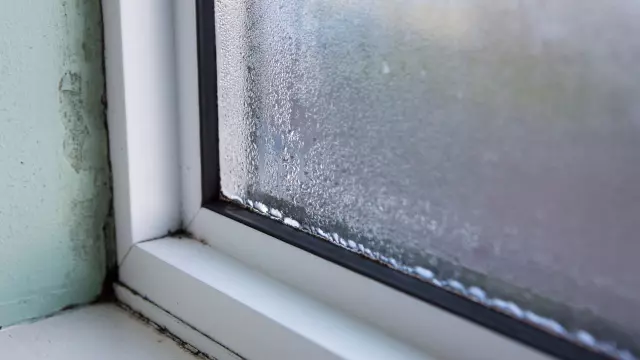
As autumn leaves begin to fall and outdoor temperatures drop, many homeowners assume their property is naturally protected from the perils of dampness. However, this shift in season often leads to an increase in indoor humidity levels, creating the perfect breeding ground for mold. Understanding the relationship between your home's internal climate and external conditions is essential to preventing unwanted infestations. Condensation is the primary culprit, occurring when warm, moisture-heavy air comes into contact with cold surfaces, such as window glass, uninsulated external walls, or window frames. While investing in a high-quality dehumidifier can mitigate these effects, relying solely on technology without addressing the root cause is a costly, inefficient battle. Most household damp issues are driven by common, daily routines that trap moisture indoors. Here are three subtle habits that may be compromising your home's air quality and how you can fix them.
The 48-Hour Moisture Rule
Mold spores are ubiquitous, constantly floating in the air. They only become a nuisance when they land on a damp surface, where they can germinate and take root in as little as 24 to 48 hours. Simply wiping away surface condensation or painting over dark spots provides only temporary relief. If your daily habits continue to trap humidity, mold will inevitably return.
1. Drying Laundry Indoors Without a Strategy
Drying wet clothes on radiators or indoor airers is a leading cause of elevated indoor humidity during the colder months. A typical household generates significant moisture daily through routine activities like cooking, showering, and breathing. Adding a single load of wet laundry introduces an extra 2 to 3 liters of water vapor into your living space. When this moisture lacks a path to escape, it settles on cold surfaces, fueling mold growth. To combat this, isolate laundry to a single, well-ventilated room with an open window or an active extractor fan. Alternatively, placing a dehumidifier near your airer can efficiently capture moisture before it migrates to your walls.
2. Large Furniture Against External Walls
Placing heavy furniture—such as wardrobes, bookcases, or sofas—flush against cold, external walls can create a dangerous microclimate. These spots often stay cold and stagnant, preventing airflow. When warm interior air seeps into these narrow gaps, it creates a damp, hidden zone that can cause significant damage to your walls and personal belongings before you even realize it is there. The solution is simple: pull your furniture away from external walls, leaving a gap of at least two to three inches to allow for proper air circulation.
3. Inefficient Heating Cycles
Many homeowners attempt to save on energy costs by running the heating in short, intense bursts. While this seems economical, it often exacerbates condensation issues. Rapid heating warms the air but leaves the structural elements of your home—like brickwork and window frames—relatively cold. As the air cools after the heating cycles off, the moisture it was holding dumps onto those cold surfaces. Aim to maintain a consistent base temperature throughout the day; keep living areas around 64–70°F (18–21°C) and unused rooms at approximately 59°F (15°C) to prevent surfaces from dropping below the dew point, which significantly reduces the risk of condensation buildup.
Comments (0)
Sign in to join the conversation.Sign in
Loading comments...