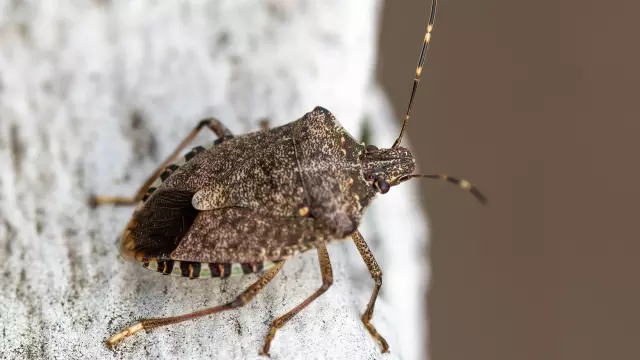
Why Are Stink Bugs Moving Into Your House — And How to Stop Them
- Tags
- home maintenance
- pest control
- stink bugs
- fall pests
- house bugs
Understanding the Fall Stink Bug Invasion
As summer gracefully yields to the crisp chill of autumn, changing temperatures prompt a whole host of seasonal pests to seek shelter. While spiders are common fall culprits, stink bugs are another persistent pest looking to make your home their cozy winter retreat.
Pest control experts explain that stink bugs seek refuge in the fall because they are cold-blooded insects. Unlike mammals or birds, they cannot regulate their body temperature independently, making them highly vulnerable to freezing temperatures. To survive the winter, they enter a state of dormancy known as diapause—a genetically programmed pause in physical development and growth distinct from true hibernation.
How Do Stink Bugs Find Their Way Inside?
Stink bugs are avid sun seekers. In the afternoon, they gather on the sunniest sides of buildings and homes. Once they settle on exterior walls, they aggressively probe for any available opening to escape the cooling ambient air.
Common entry points include:
- Cracks and gaps around window frames
- Loose siding seams
- Utility line penetrations
- Attic and crawlspace vents
- Gaps along the building foundation or door sweeps
Furthermore, stink bugs exhibit clustering behavior. Once a few scouts locate a promising overwintering spot, they release pheromones that attract countless others to the exact same location.
Effective Prevention Strategies: How to Keep Them Out
Once stink bugs successfully infiltrate your living space, eradicating them completely becomes an uphill battle. Experts strongly recommend taking proactive, preventative measures before temperatures plummet entirely.
Inspect the entire perimeter of your home for potential entry points. Seal all cracks, gaps, and crevices using silicone caulk or weather stripping. Repair or replace torn window screens and reinforce door sweeps.
Experts caution against relying solely on quick fixes like indoor aerosol sprays and foggers. These products typically only eliminate the pests currently in plain sight, while hundreds more continue to emerge from wall voids and attics once the chemical residue dissipates.
What NOT to Do When You Spot a Stink Bug
If you encounter a stink bug inside your home, the golden rule is simple: do not crush it. Crushing these insects triggers their defense mechanism, releasing the notorious, pungent odor that gives them their name.
Instead, safely remove them using a cup and a piece of paper, drop them into a container of soapy water, or carefully vacuum them up—ensuring you empty the vacuum canister immediately to prevent the odor from lingering indoors.
Comments (0)
Sign in to join the conversation.Sign in
Loading comments...