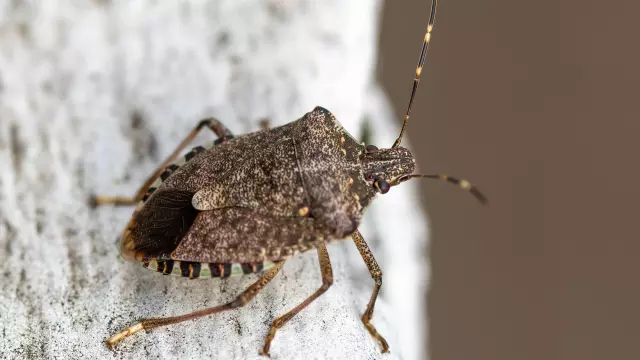
Why Are Stink Bugs Moving Into Your House — and How to Stop Them
- Tags
- home maintenance
- pest control
- stink bugs
- fall pests
- house bugs
As summer transitions into the cooler months of fall, homeowners often notice an influx of seasonal pests seeking refuge from the dropping temperatures. While spiders are a common autumn nuisance, stink bugs are another persistent invader looking to make your home their winter retreat.
Why Stink Bugs Invade Our Homes in Fall
According to pest experts, stink bugs typically make their way indoors as the weather turns chilly. Being cold-blooded insects, they cannot regulate their internal body temperatures the same way mammals and birds do. This biological limitation drives them to seek out sheltered, warmer environments to survive the winter months.
Unlike other overwintering pests, stink bugs enter homes for shelter rather than food. They spend the warmer months feeding on outdoor fruits, flowers, and agricultural crops. When fall arrives, they enter a state of dormancy known as diapause—a genetically programmed pause in physical development and growth distinct from true hibernation, which involves a deep sleep and metabolic slowdown.
How Do Stink Bugs Get Inside?
Stink bugs are known sun seekers. In the afternoon, they gather on the sunniest exterior walls of buildings. Once they are positioned on the structure, they actively search for any available entry points.
Common entryways include:
- Cracks and gaps around window and door frames
- Loose siding seams and utility line penetrations
- Attic vents and exhaust ports
- Gaps along the foundation and exterior trim
Furthermore, stink bugs are social clusterers. When a few bugs discover a favorable overwintering spot, they release pheromones that attract others, leading to larger groups invading the same space.
How to Keep Stink Bugs Out
Preventative measures are the most effective strategy since managing stink bugs once they are inside can be challenging. Homeowners should thoroughly inspect the exterior of their properties and seal cracks or gaps around windows, doors, vents, and utility openings using weatherstripping or caulk. Repairing torn window screens and checking door sweeps will also prevent them from slipping inside.
Experts advise against relying on indoor aerosol sprays or foggers, as these only kill visible pests while more continue to emerge from wall voids and attics once the chemical residues dry. If infestations become unmanageable, consulting professional pest control services is recommended.
What NOT to Do With Stink Bugs
If you find stink bugs inside your living space, resist the urge to crush them. Squishing a stink bug triggers the release of a pungent, foul-smelling chemical defense odor. Instead, carefully remove them using a cup and a piece of paper, drop them into a container of soapy water, or vacuum them up and immediately empty the vacuum canister to eliminate lingering odors.
Comments (0)
Sign in to join the conversation.Sign in
Loading comments...