5 Early Warning Signs of Mold: Why You Shouldn't Ignore Them
- Tags
- home maintenance
- mold prevention
- Indoor Air Quality
- home renovation
- home health
- damp proofing
Mold growth is a common concern for homeowners, especially when temperatures drop and indoor moisture levels rise. While discovering mold can be stressful, it does not always signal an immediate disaster or the need for an expensive renovation. Often, these issues stem from manageable ventilation problems or excess humidity. By identifying the early warning signs, you can take proactive steps to prevent a small issue from becoming a significant health and structural hazard.
Identifying When Moisture Levels Are Too High
According to experts like David Cree, a partner at DM Hall Chartered Surveyors, the key is understanding the source of the moisture. It is crucial to determine why condensation is accumulating in specific areas. If you can pinpoint the origin of the dampness, you can address it before it leads to widespread damage or health risks.
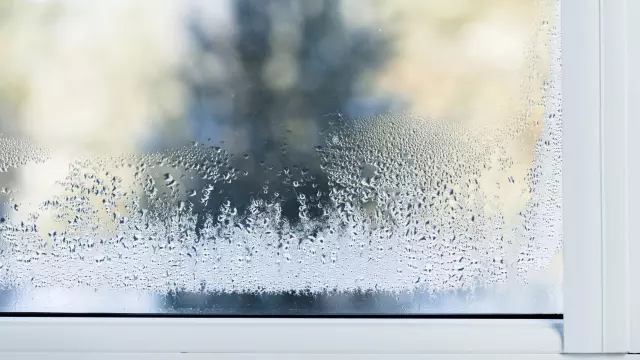
1. Persistent Condensation on Windows
While a light misting of condensation on a cold morning might seem normal, recurring moisture on windows, sills, or surrounding walls is a red flag. It indicates that your home is trapping humidity rather than venting it properly. To combat this, ensure that trickle vents are open, use extractor fans during cooking or showering, and consider using a dehumidifier or a specialized window vacuum to remove moisture before it soaks into your walls.
2. Recurrent Black Marks
Mold rarely appears out of nowhere in large quantities; it often starts as subtle, small black spots. These are commonly found around window frames, in cold room corners, or along ceiling edges. If these spots return shortly after you have cleaned them, it is a clear indication that your cleaning efforts are merely treating the symptom, not the root cause. You likely have restricted airflow in those areas.
3. A Persistent Musty Odor
You might smell mold before you actually see it. A damp, musty smell in a specific room is often the earliest sign of moisture buildup occurring out of sight. Check behind large pieces of furniture, inside closets, or in spare rooms that see little ventilation. A musty scent is frequently a sign that humidity is becoming trapped against external walls.
4. Peeling Wallpaper or Bubbling Paint
When wallpaper begins to peel or paint starts to bubble, it is often a sign that moisture has compromised the integrity of your wall covering. Before rushing to patch or redecorate, investigate the area. Determine if the damage is linked to a nearby source like a bathroom or an external wall. Fixing the aesthetics without solving the underlying dampness will only result in the problem returning shortly.
5. Recurring Isolated Patches
Recurrence is perhaps the most significant indicator that you have a persistent moisture problem. If you have cleaned a specific patch multiple times and it keeps coming back, you must investigate why moisture continues to collect there. Note the timing—does it appear after heavy rain, colder weather, or specific daily activities? Documenting these patterns can help you or a professional identify the precise source of the issue.
Practical Steps to Reduce Indoor Moisture
If you have identified that your home is struggling with humidity, there are several effective strategies to mitigate the problem:
- Always utilize extractor fans in kitchens and bathrooms when they are in use.
- Keep window trickle vents clear and open.
- Ensure there is adequate space for air to circulate behind furniture and appliances.
- Regularly clean visible mold to prevent spores from spreading.
- Limit drying clothes indoors; if you must, ensure the room is well-ventilated or use a dehumidifier.
- Monitor the humidity levels in your home using a hygrometer to stay within an ideal range.
Comments (0)
Sign in to join the conversation.Sign in
Loading comments...