Beat the Seasonal Dust Mite Surge: The 2-Inch Mattress Cleaning Hack
As autumn arrives and we begin turning on our central heating systems, many households unknowingly trigger a 'dust mite surge.' While cooler temperatures signal the start of cozy season, the shift in indoor climate—trapping summer humidity behind closed windows—creates an ideal environment for these microscopic pests to thrive. According to Professor George Du Toit, a leading allergy expert at the Allergy Centre of Excellence, this transition period often results in a massive release of allergens into the home.
The Science Behind the Surge
Dust mites feed primarily on the millions of dead skin cells that humans shed daily. These skin flakes, combined with body oils and moisture, settle deep into the upper layers of your mattress. During the summer, these populations boom; as autumn sets in and indoor humidity becomes trapped by central heating, the mites experience a shift in their life cycle. Many die off, releasing high concentrations of dried fecal particles into the air, which act as a major trigger for allergies and asthma.
What is the 2-Inch Rule?
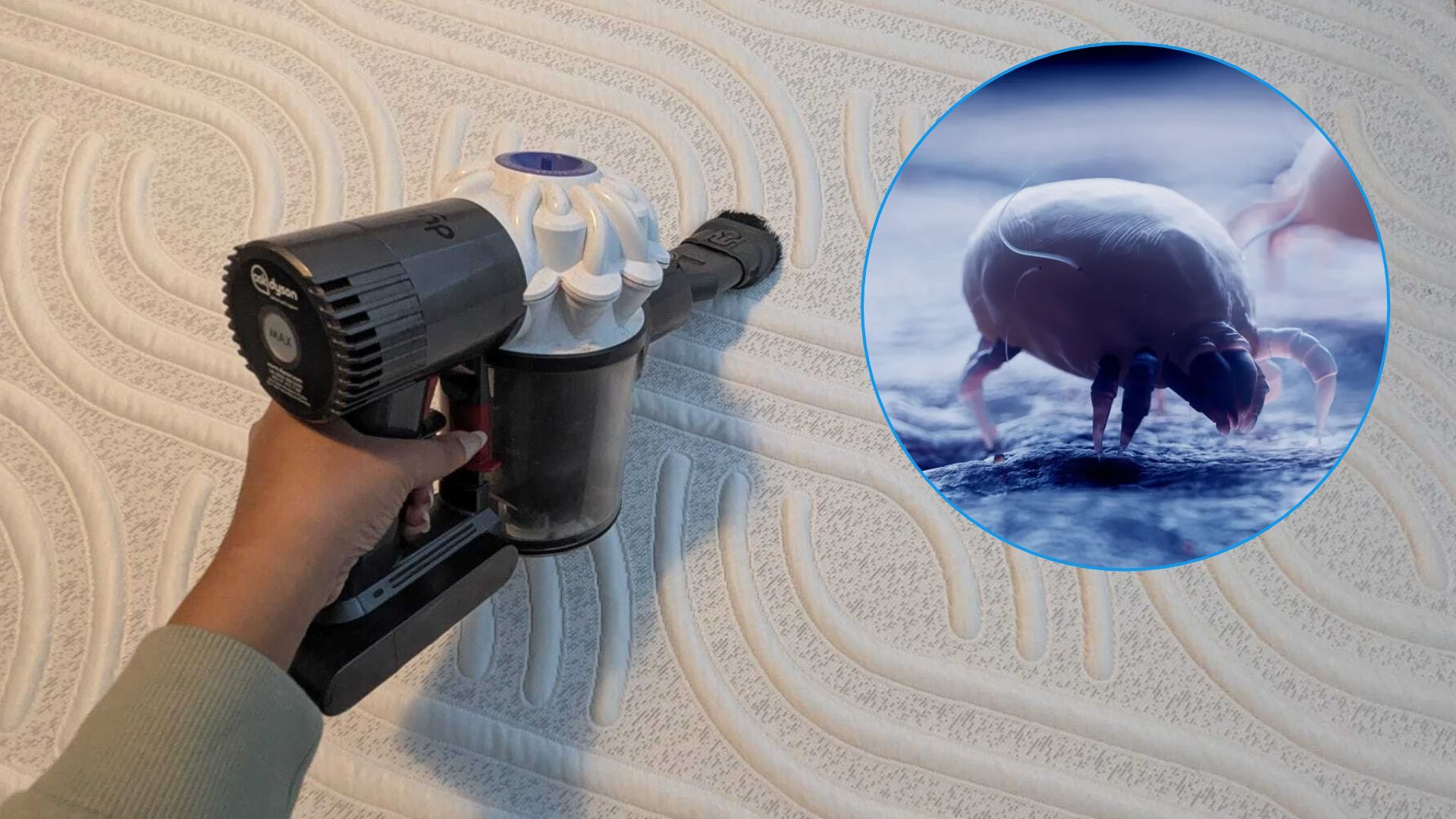
To combat this, experts suggest the '2-inch rule.' While a quick surface vacuum picks up dust, it fails to reach the debris embedded in the mattress fabric. This technique involves applying firm, downward pressure with a narrow vacuum nozzle to compress the top two inches of the mattress surface. This creates a temporary but effective vacuum seal, allowing for the deep extraction of embedded skin cells, dead mites, and their fecal matter.
How to Perform the 2-Inch Technique
- Strip the bed: Remove all bedding and protectors.
- Use the right tools: Ensure your vacuum is equipped with a clean, sealed HEPA filter. Without HEPA filtration, you risk exhausting micro-allergens back into your bedroom air.
- Apply compression: Use a narrow upholstery or brush tool. Press firmly into the mattress to compress the top two inches. Move the nozzle slowly in overlapping, tight concentric circles or horizontal rows to ensure complete coverage.
- Optional upgrade: Sprinkle baking soda on the mattress and leave it for 30–60 minutes before vacuuming to help neutralize odors and absorb moisture.
Long-Term Protection
While vacuuming is an effective maintenance step, it cannot replace the need for physical barriers. A high-quality, antimicrobial mattress protector is the gold standard for preventing mites from settling in your bed in the first place. By combining regular deep-cleaning with the use of a protective barrier, you can significantly reduce the allergen load in your sleep environment, leading to better respiratory health and more restful nights.
Comments (0)
Sign in to join the conversation.Sign in
Loading comments...