The Reality Check: How My Spouse Curates Our Smart Home
As a tech journalist who lives and breathes gadgets, my home is often a testing ground for the latest, most advanced smart home technology. However, my excitement for 'cool' tech is frequently tempered by a necessary, grounded perspective: that of my spouse. She serves as the ultimate litmus test, reminding me that for most households, if a device doesn't intuitively improve daily life, it is little more than an expensive, frustrating distraction.
The Friction of Innovation
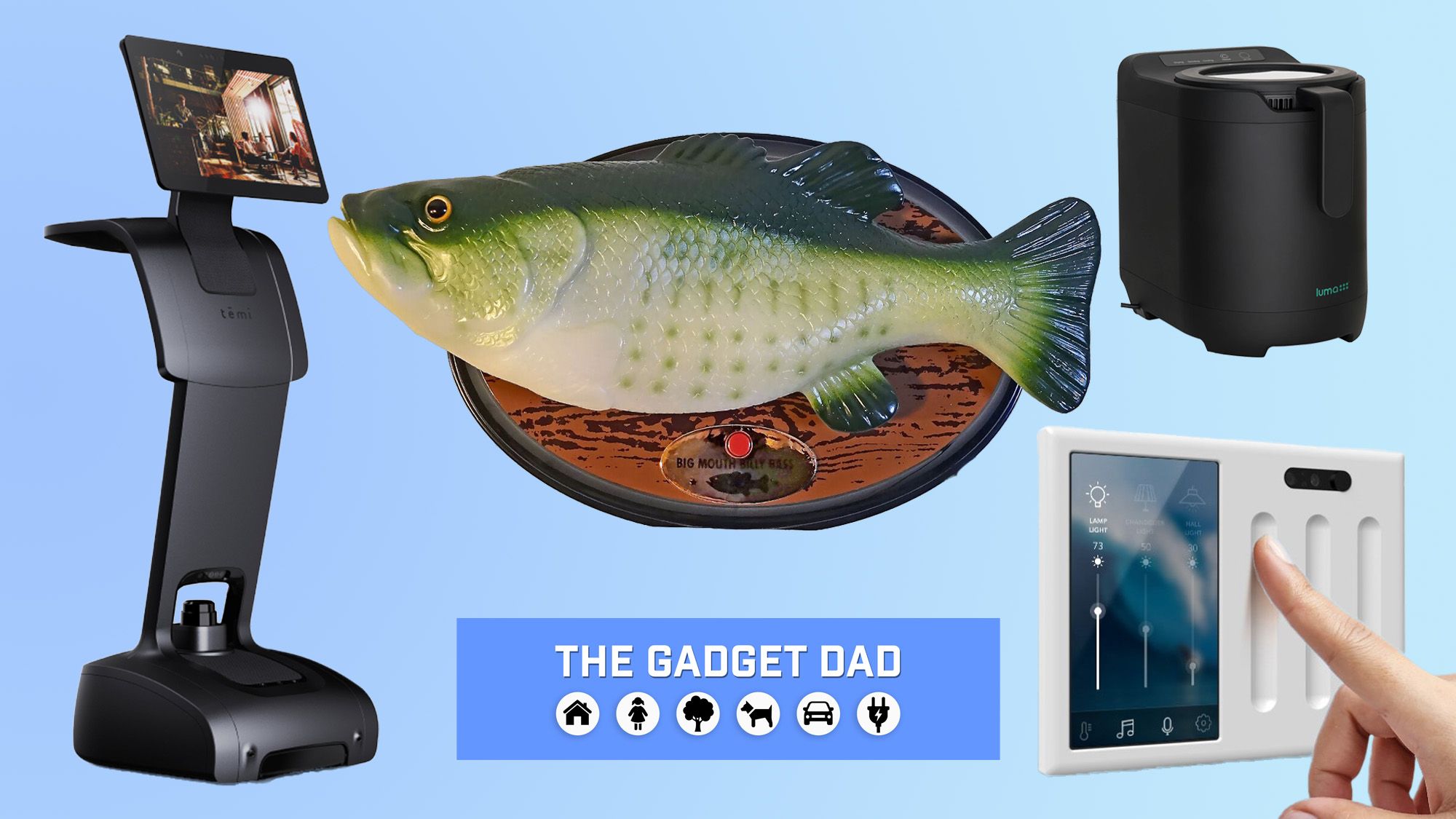
My enthusiasm for early adoption often means overlooking major usability flaws. A prime example was my installation of a high-end smart light switch featuring a full-color touchscreen. While it promised music control, intercom functionality, and digital photo displays, it failed at the most basic task: turning the lights on and off. The interface was laggy, requiring precise swipes instead of a simple, tactile flick. My wife’s frustration was palpable; she wanted lighting that required no conscious thought or troubleshooting. Ultimately, I replaced the complex gadget with a more functional, physical-switch-based model, and the peace in our home was immediately restored.
When Tech Becomes Intrusive
Some gadgets don't just fail on functionality—they become invasive. A $2,000 mobile robot, essentially an iPad on wheels designed to follow users for video calls, was an immediate disaster. It was physically imposing, frightened our dog, and deeply unsettled our young child. My wife’s feedback was blunt: 'Why would this be necessary for anyone with normal motor skills?' It was promptly returned, proving that novelty is never a substitute for true utility.
Finding the Balance
Not all smart home technology has failed the 'sense-check' test. The devices that have earned a permanent place in our home share one common trait: they disappear into the background. A smart indoor composter, for instance, proved a massive success by reducing food waste and pests in our kitchen, operating quietly and efficiently without demanding attention. Similarly, smart holiday lighting has been a hit, allowing for mood-setting aesthetics without the inconvenience of manual setup.
Ultimately, the most successful smart home gadgets are the ones that work seamlessly without creating new problems. As I continue to review products, my spouse's skepticism remains my best tool. If a piece of tech can't replicate the simplicity of the 'dumb' device it replaces, it simply isn't smart enough to belong in our home.
Comments (0)
Sign in to join the conversation.Sign in
Loading comments...