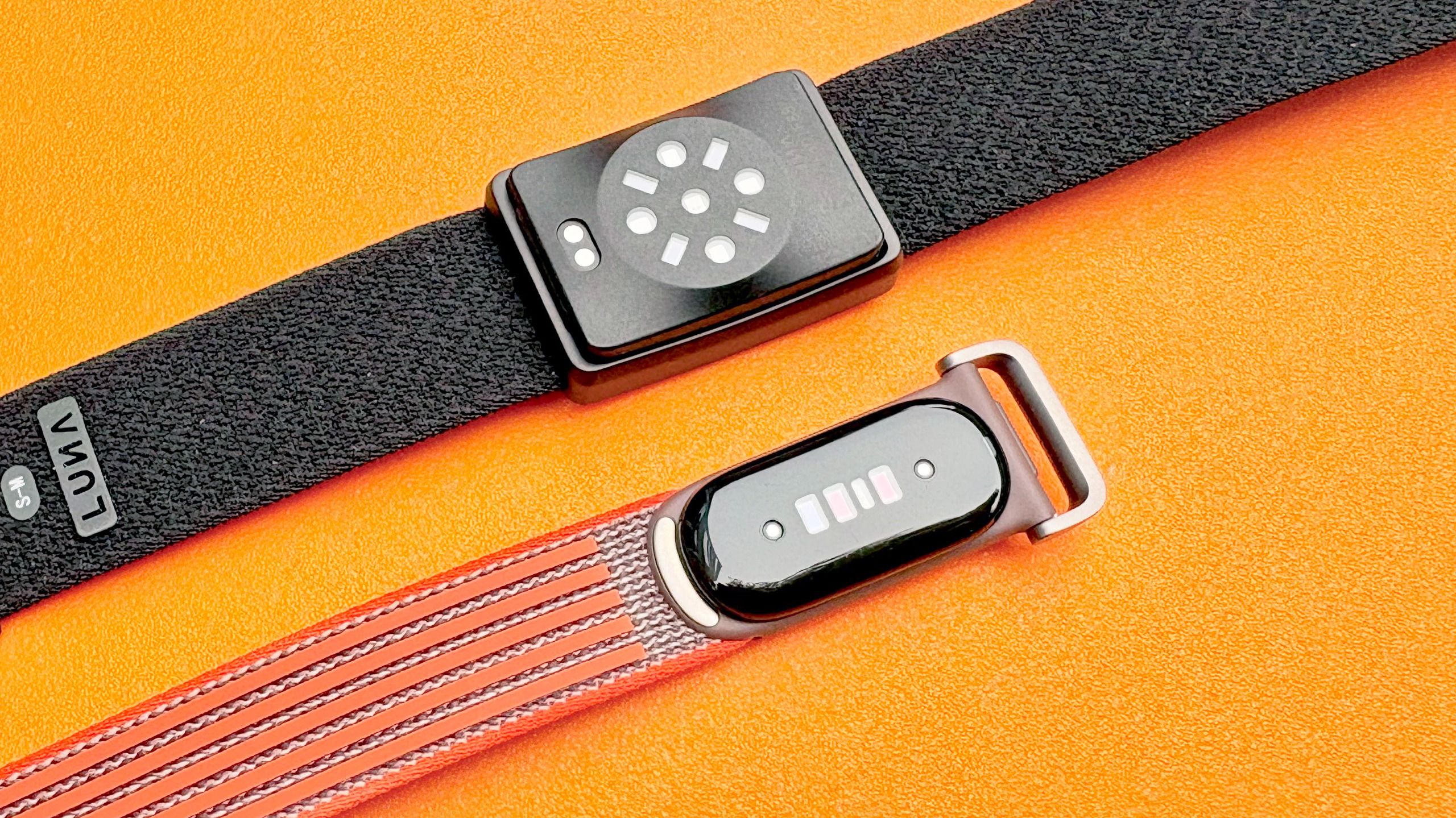
Luna Band vs. Fitbit Air: 5 Key Differences for Budget Fitness Tracking
For those seeking an affordable, screen-free fitness tracker, the market has expanded beyond the dominant Fitbit Air. The new Luna Band has emerged as a compelling competitor, and while it carries a slightly higher price tag, its feature set offers a unique value proposition for health-conscious users. In this article, we break down five essential differences between the two devices.
1. Price Comparison
The Fitbit Air remains the more budget-friendly option, retailing at approximately $99. The Luna Band is priced at $149. While the Luna Band is $50 more expensive upfront, it is still positioned as a more affordable alternative to higher-end, screen-free devices like the Garmin Cirqa, which retails for $199.
2. Subscription Models
One of the most significant differences lies in the hidden costs of long-term ownership. While both brands do not require a subscription to access basic tracking data, Google's Fitbit Air eventually requires a subscription to its 'Health Premium' service ($9.99/month or $99/year) to unlock more comprehensive, advanced health insights. Conversely, the Luna Band sets itself apart by offering all of its health and fitness tracking features—including advanced AI-powered insights—without any recurring subscription fees for the life of the product.
3. Battery Longevity
For those who dislike frequent charging, the Luna Band offers an edge. It is rated for up to ten days of battery life per charge, matching the endurance of the Garmin Cirqa. The Fitbit Air, while efficient, is rated for seven days of use, meaning you will need to find the charger roughly three days sooner with the Fitbit than with the Luna.
4. Design and Portability
The Fitbit Air holds the advantage for users who prefer the most unobtrusive wearable possible. Thanks to a narrower strap design and more compact internal technology, the Fitbit Air weighs only about 14 grams. The Luna Band is noticeably bulkier, weighing in at approximately 26 grams, making the Fitbit the clear winner for those who prioritize a lightweight, 'forget-it's-on-your-wrist' experience.
5. Haptic Feedback Utility
Haptic feedback is a core component of how these screenless trackers communicate. On the Fitbit Air, vibrations are primarily limited to 'Smart Alarm' functions to wake you during an optimal sleep cycle. The Luna Band utilizes haptic feedback much more extensively, allowing for customizable alerts regarding notifications, health warnings, and 'nudges' to move or stand throughout the day, providing a more interactive user experience.
Comments (0)
Sign in to join the conversation.Sign in
Loading comments...