Do You Actually Need the Snapdragon 8 Elite Extreme Gen 6? Qualcomm's SVPs Explain Who Should Pay the Premium
- Tags
- Android
- Snapdragon 8 Elite
- Qualcomm
- Mobile Hardware
- Smartphones
- Snapdragon 8 Elite Extreme
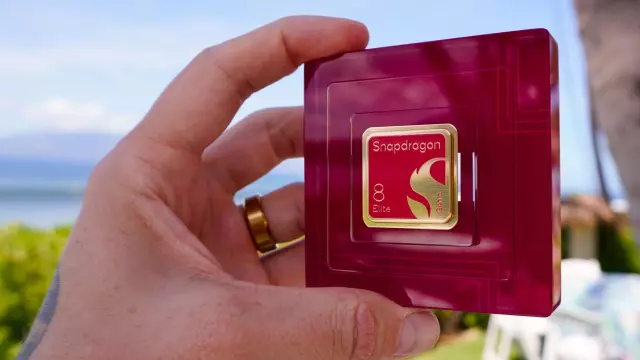
With Qualcomm dividing its top-tier mobile silicon into the Snapdragon 8 Elite and the Snapdragon 8 Elite Extreme, Android buyers are facing a new level of flagship fragmentation. While it is easy for tech enthusiasts to benchmark the absolute fastest chips on the market, everyday consumers walking into a store or browsing online are left wondering: which processor do I actually need?
To figure out how users are supposed to navigate this new landscape, we put the question directly to Qualcomm’s mobile leadership during a post-keynote roundtable featuring Chris Patrick (Senior Vice President and General Manager of Mobile Handsets) and Dino Bekis (Senior Vice President and General Manager of Premium Mobile & AI). Their answers cut through the marketing jargon, offering surprisingly blunt buying guidance based on form factor, budget, and future-proofing.
Who Should Buy the Snapdragon 8 Elite Extreme?
According to Patrick and Bekis, the Extreme tier is engineered specifically for three types of buyers who view their smartphone as a long-term, high-performance tech investment:
- The Hardcore Gamer: If you are chasing raw frame rates and competitive advantages, Patrick says the choice is simple. For those who love gaming, maximizing frame-per-second (FPS) output, and getting lightning-fast response times to out-maneuver opponents, the Extreme tier is the definitive recommendation.
- The Camera and Media Purist: Users who care deeply about advanced image processing, high-bitrate recording, and brand-new video codecs should lean toward the Extreme version. It ensures that as streaming services adopt new standards and high-end camera breakthroughs emerge, the device delivers peak quality with optimized power consumption.
- The 'Future-Proof' Enthusiast: Bekis made a compelling case for buyers who simply do not want to hit a hardware ceiling in the next few years. For consumers who want ultimate flexibility and peak capability regardless of how their workflow might evolve, the Extreme chip provides peace of mind.
Who Should Stick to the Base Snapdragon 8 Elite?
If you aren't chasing extreme frame rates or analyzing complex video bitrates, paying the premium for the Extreme chip can be a waste of money—especially if you prioritize hardware design, compactness, or overall value over raw benchmark supremacy.
- The Form Factor Crowd (Flips and Foldables): The standard Elite is the chip of choice for highly stylized devices where thermal limits and battery sizes are strictly constrained by slim chassis designs. Consumers who enjoy folding or flip form factors don't necessarily want to spend a massive premium for a completely overpowered processor when the standard Elite offers exceptional performance.
- The Pragmatic Buyer: As Patrick bluntly summarized, OEMs now have two logical paths: use the lower-cost chip to save money, or use the higher-cost silicon to justify ultra-premium pricing. For most traditional smartphone users, the base Elite delivers true flagship performance without the unnecessary enthusiast tax.
The Death of the 'One Size Fits All' Flagship
Qualcomm’s decision to segment the 8-series acknowledges a major shift in the modern Android market: a thin, folding flip phone and a bulky, vapor-chamber-cooled super phone should not be forced to rely on the exact same silicon. While the Extreme chip exists for spec-chasers and power users, the base Elite proves more than capable for the vast majority of consumers.
Comments (0)
Sign in to join the conversation.Sign in
Loading comments...