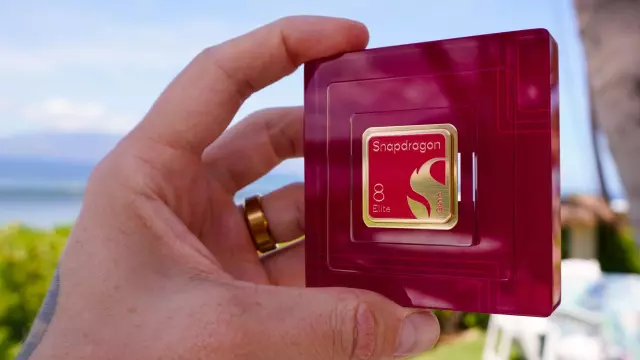
Do you actually need the Snapdragon 8 Elite Extreme Gen 6? Qualcomm's SVPs explain who should pay the premium
- Tags
- Tech News
- Qualcomm
- Snapdragon 8 Elite Extreme
- Android Phones
- Mobile Processors
With Qualcomm splitting its top-tier mobile silicon into the Snapdragon 8 Elite and 8 Elite Extreme, Android buyers are facing a new level of flagship fragmentation. While tech enthusiasts love to benchmark the fastest chip, deciding which version to purchase when walking into a store requires careful consideration. To help consumers navigate this landscape, mobile leadership executives Chris Patrick (SVP and GM of Mobile Handsets) and Dino Bekis (SVP and GM of Premium Mobile & AI) shared their insights during a post-keynote roundtable.
Who should buy the Snapdragon 8 Elite Extreme?
According to Patrick and Bekis, the Extreme tier is engineered for three specific types of buyers who view their smartphone as a long-term tech investment:
- The Hardcore Gamer: If you are chasing raw frame rates, minimizing response time to gain a competitive edge in fast-paced titles, the Extreme tier is built for you.
- The Camera and Media Purist: Designed for users who demand advanced image processing, support for brand-new video codecs, optimal bit rates, and high-end power efficiency.
- The Future-Proof Enthusiast: For buyers who want maximum flexibility and power reserves to ensure their device doesn't hit a hardware ceiling years down the road.
Who should stick to the base Snapdragon 8 Elite?
If you aren't chasing high frame rates or complex video bitrates, paying the extra cost for the Extreme chip might be an unnecessary expense, particularly if you prefer alternative device chassis.
- The Form Factor Crowd (Flips and Foldables): Devices featuring unique folding or flip designs face tighter thermal and battery constraints, making the standard Elite a more practical and balanced choice.
- The Pragmatic Buyer: For typical smartphone users, the base Elite offers exceptional flagship performance without adding an enthusiast tax.
The death of the 'one size fits all' flagship
Qualcomm's decision to segment the 8-series processor family acknowledges a changing mobile landscape. A thin folding phone and a heavily cooled gaming superphone have drastically different thermal and performance needs, proving that a single, one-size-fits-all processor no longer serves every flagship device effectively.
Comments (0)
Sign in to join the conversation.Sign in
Loading comments...