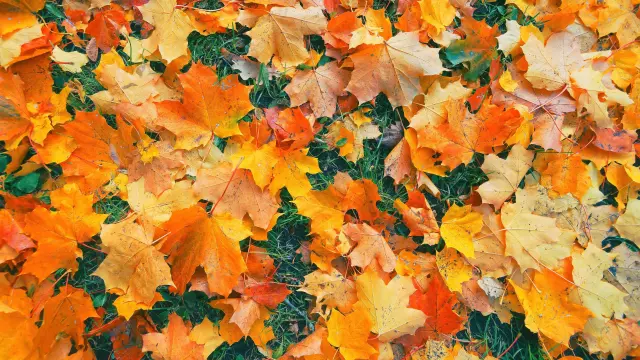
Don’t clear those fallen leaves: The clever hack that stops weeds in their tracks
- Tags
- lawn care
- gardening tips
- Weed Control
- autumn garden
- sustainable gardening
- mulch
As autumn takes hold, many gardeners feel the urge to meticulously clear every fallen leaf from their lawns and flower beds. However, according to experts, those colorful piles of foliage are far more valuable than a simple chore to be binned. Instead of viewing leaves as garden waste, you can turn them into a powerful, free, and eco-friendly weapon against weeds.
Why You Should Keep Your Leaves
Craig Wilson, a gardening expert from Gardeners Dream, suggests that the secret to a weed-free garden next spring might be lying right on your lawn. Rather than discarding organic matter, repurposing it as a natural mulch can drastically reduce the number of weeds that emerge in your flower beds. This process works by blocking sunlight, which is essential for weed seeds to germinate and thrive.
The Shredding Secret
While some gardeners might be tempted to just pile whole leaves over their plants, there is a better way to ensure success. Wilson advises: "Allow dry leaves to build up, then run over them with a lawnmower to shred them into smaller pieces."
Why go through the effort of shredding?
- Faster Decomposition: Shredded leaves break down more efficiently, nourishing your soil.
- Prevents Compaction: Whole leaves can create a thick, matted layer that blocks air and water from reaching the soil, which can harm your plants and promote root rot.
- Easier Application: Smaller fragments are much simpler to spread evenly around your flower beds.
Beyond Weed Suppression
Beyond acting as a natural weed barrier, leaf mulch provides other significant benefits. It helps retain essential soil moisture and regulates the temperature of the ground, protecting plant roots during the colder months. Essentially, you are returning nutrients to the earth rather than shipping them off to a landfill.
3 Key Mistakes to Avoid
While reusing leaves is a fantastic practice, there are some pitfalls to keep in mind:
- Don't leave thick, whole layers on the lawn: While they are great for flower beds, whole, wet leaves can block light and air from your grass. This can lead to yellow patches, snow mold, and root rot. If they cover your lawn, rake or blow them into a pile, shred them, and move them to your beds.
- Avoid using diseased leaves: If you notice spots or obvious signs of disease on your foliage, do not use it as mulch. Removing and disposing of these leaves separately prevents potential fungal or bacterial issues from returning to your garden next season.
- Avoid being too tidy: Perfectionism isn't always the friend of a healthy ecosystem. Leaving some leaves, stems, and plant debris in out-of-the-way corners provides vital shelter for beneficial wildlife throughout the winter.
By following these simple steps, you can save time on garden cleanup, save money on commercial mulch, and create a healthier environment for your garden to thrive next spring.
Comments (0)
Sign in to join the conversation.Sign in
Loading comments...