Don’t Clear Those Fallen Leaves: The Free Fall Hack That Stops Weeds in Their Tracks
- Tags
- Gardening
- lawn care
- home and garden
- Fall Yard Work
- Weed Control
- mulch
Introduction to Fall Lawn Care
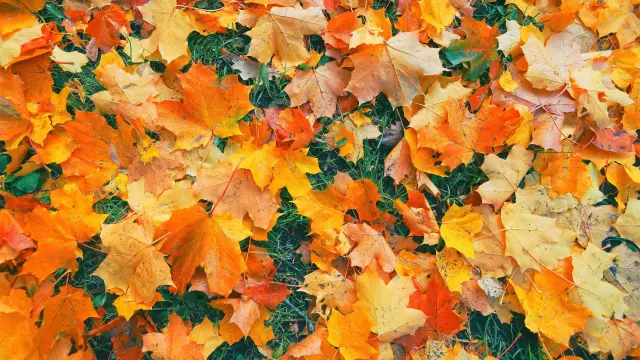
As autumn arrives, yards transform into a colorful mix of vibrant yellow, gold, and russet tones, draped in a thick layer of fallen leaves. While the immediate instinct for many gardeners is to grab a rake and clear the landscape for a pristine look, gardening experts urge a complete rethink of this seasonal chore. Instead of disposing of your leaves, you can harness them as a powerful, cost-free tool to protect your garden.
A Free Weed Suppressant
Rather than bagging up fallen leaves and tossing them into yard waste, Craig Wilson, co-founder and garden expert at Gardeners Dream, suggests recycling them directly into your garden beds. By shredding fallen leaves, you create a natural, nutrient-rich mulch that effectively smothers and suppresses stubborn weeds.
The method is straightforward: allow dry leaves to accumulate, then run over them using a lawnmower to chop them into fine pieces. Shredding is vital because whole leaves can form a dense, impermeable mat that blocks oxygen and traps excessive moisture. Breaking them down ensures the mulch spreads evenly and decomposes efficiently, feeding the soil underneath.
Beyond Weed Suppression: Nourishing Your Soil
Fallen leaves do much more than just keep weeds at bay. According to Wilson, incorporating leaf mulch into your flower beds helps retain vital soil moisture and regulate ground temperature throughout the changing seasons. Rather than viewing autumn leaves as yard waste, savvy gardeners recognize them as a valuable natural resource returned to the earth.
3 Mistakes to Avoid with Fallen Leaves
1. Don't Leave Thick Layers on Your Lawn
While shredded leaves work wonders in flower beds, heavy layers of whole, wet leaves left directly on grass can be disastrous. A thick covering suffocates the turf by blocking vital light and air, preventing photosynthesis. This environment fosters snow mold, root rot, and yellowing patches that take months to recover from when spring returns.
2. Not Removing Diseased Leaves
Not all yard debris belongs in your mulch pile. If foliage displays signs of fungal infections, mildew, or other plant diseases, you must remove and dispose of them properly. Spreading diseased material into your garden beds risks carrying pathogens over into the next growing season.
3. Being Too Tidy
While a manicured yard has its appeal, being overly aggressive with your fall clean-up can harm local wildlife. Leaving a few natural debris areas undisturbed provides essential shelter for beneficial insects and small animals over the winter months. Aim for balance by keeping pathways and main lawns clear while letting natural zones thrive.
Comments (0)
Sign in to join the conversation.Sign in
Loading comments...