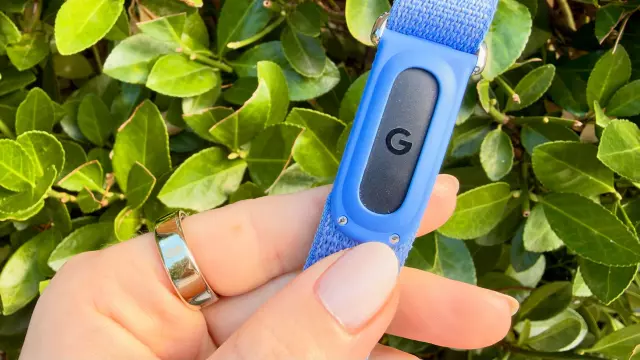
Fitbit Air vs Oura Ring 5: Which Screenless Tracker Reigns Supreme?
- Tags
- Wearable Tech
- Wellness
- Fitness Trackers
- Fitbit Air
- health monitoring
- Oura Ring 5
- Smart Rings
The landscape of wearable technology is shifting in 2026, moving away from high-distraction smartwatches toward discreet, screenless health trackers. These devices promise to monitor our well-being without the constant intrusion of notifications, emails, or glowing displays. Two major contenders leading this charge are the $99 Fitbit Air and the $399 Oura Ring 5. After five months of rigorous testing, we break down how they stack up across key categories.
Understanding the Screenless Trend
Screenless trackers prioritize subtlety. They sit on the wrist or finger, quietly collecting biometric data—heart rate, sleep quality, stress levels, and recovery markers. By eliminating the screen, these devices encourage users to engage with their health data through companion apps rather than checking a wrist-bound notification center.
Calorie and Step Tracking
If your primary motivation is weight management, it is crucial to note that no current wearable provides a 100% accurate measurement of caloric burn. Both the Fitbit Air and Oura Ring 5 offer estimates based on algorithms that factor in age, sex, and height. While they are useful for tracking trends and activity, they should be viewed as guidance rather than clinical data.
When it comes to step counting, the Fitbit Air demonstrates slightly higher accuracy in daily movement tracking. While Oura Ring users can improve accuracy by ensuring a snug fit and syncing with third-party health apps, the Fitbit remains the more reliable dedicated pedometer.
Design, Comfort, and Hygiene
The Oura Ring 5 is the undisputed champion of aesthetics and comfort. It is designed to look like traditional jewelry, making it the ideal choice for those who want to track health metrics without looking like they are wearing a gadget. Its form factor also makes it superior in terms of hygiene; it is effortless to clean compared to the bands of traditional trackers, which can accumulate sweat and grime.
Sleep and Recovery Insights
Sleep is a critical pillar of long-term health, and both devices provide a sleep score, breakdown of sleep stages, and actionable advice. However, the Oura Ring 5 offers a more profound level of detail in its baseline features. While the Fitbit Air is capable of providing similar insights, these are often gated behind a premium Google Health membership. If you prioritize deep-dive sleep analytics, Oura is the superior choice.
Female Health Tracking
For users specifically seeking menstrual, fertility, or menopause tracking, the Oura Ring 5 is the clear leader. Its integration with services like Natural Cycles and its sophisticated temperature tracking make it a powerful tool for female health, far outpacing the currently available features on the Fitbit Air.
The Final Verdict: Which One Should You Buy?
Deciding between these two depends on your budget and personal aesthetic preferences:
- Choose the Fitbit Air if: You are on a budget, prefer a wrist-worn device, and want a simple, effective tracker that does not require an ongoing subscription to provide value.
- Choose the Oura Ring 5 if: You want a stylish, jewelry-like design that disappears on your finger, need advanced female health tracking, or desire the most comprehensive sleep and recovery data available in a compact format.
While the Oura Ring 5 is a significant financial investment, its form factor and depth of data make it a premium experience. However, the Fitbit Air remains the best value-for-money option for the average user.
Comments (0)
Sign in to join the conversation.Sign in
Loading comments...